
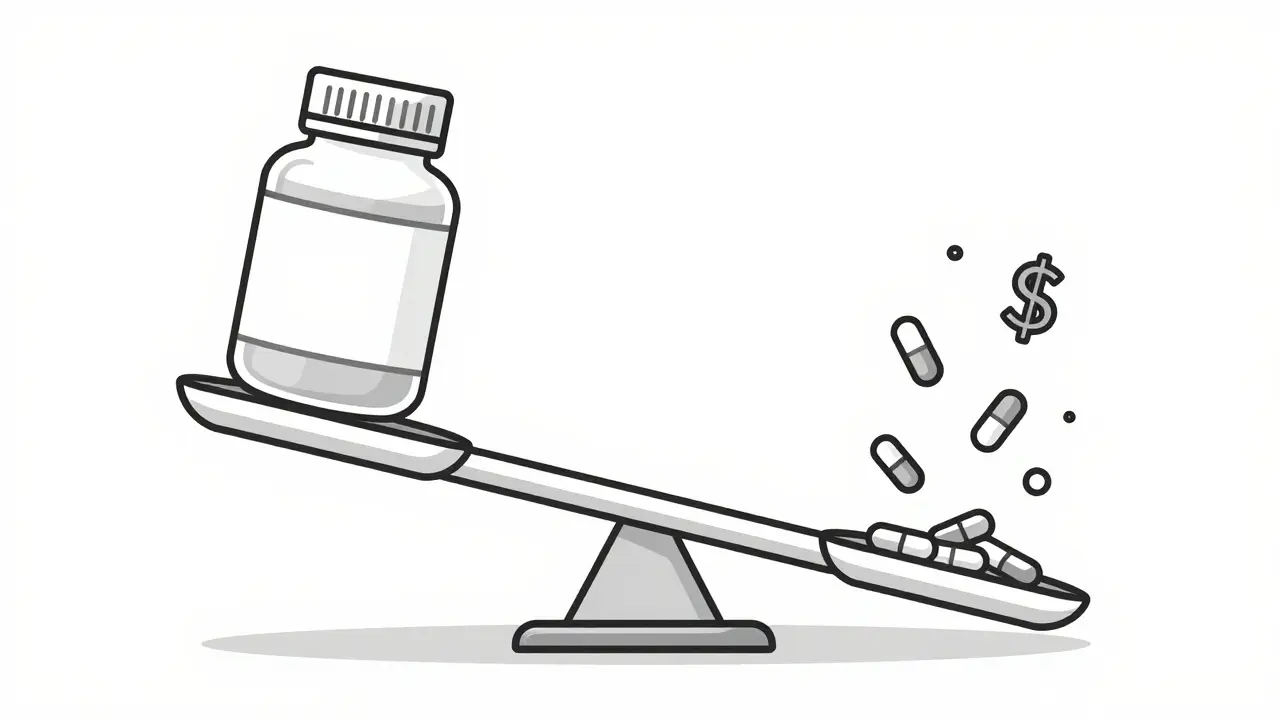
Every year, the U.S. healthcare system saves tens of billions of dollars because of generic drugs. It’s not magic. It’s not a government subsidy. It’s simple competition. When a brand-name drug’s patent expires, generic versions flood the market. Prices drop - often by more than 70%. And those savings add up fast.
What Exactly Counts as a "Savings"?
There are two ways to measure savings from generic drugs, and they tell different parts of the story.
The FDA looks at what happens in the first 12 months after a new generic drug gets approved. It calculates how much money was saved because patients switched from the expensive brand-name version to the cheap generic. This method tracks the immediate impact of each new approval. It’s like measuring the ripple from a single stone dropped in water.
The Association for Accessible Medicines (AAM) takes a bigger picture. They count all the money saved by every generic drug in use during a calendar year - no matter when it was approved. This includes generics that have been on the market for 10 years. It’s like measuring the entire lake after dozens of stones have been thrown in.
These numbers don’t match because they’re measuring different things. The FDA shows you the spikes - the big wins from new approvals. The AAM shows you the steady flow of savings that keeps the system affordable year after year.
Year-by-Year Savings from New Generic Approvals (FDA Data)
Let’s look at the real numbers from the FDA’s annual reports on first-time generic approvals - the ones that break a brand’s monopoly.
- 2018: $2.7 billion saved
- 2019: $7.1 billion saved - the highest single-year total in recent memory
- 2020: $1.1 billion saved
- 2021: $1.37 billion saved
- 2022: $5.2 billion saved
That jump from $1.37 billion in 2021 to $5.2 billion in 2022 didn’t happen by accident. The FDA noted that several of the approvals that year were for drugs used by millions of people - like those for heart disease, diabetes, and mental health. When a blockbuster loses its patent, the savings aren’t just big - they’re massive.
In 2021, nearly half of the $1.37 billion in savings came from just five generic drugs. In 2022, 21 new generic versions of New Molecular Entity (NME) drugs accounted for almost $1.4 billion of the total savings. That’s the pattern: a few high-cost drugs drive most of the savings. The rest - the smaller, everyday generics - add up quietly over time.
Total Savings from All Generics in Use (AAM Data)
While the FDA tracks the new entries, the AAM tracks the total impact.
- 2020: $338 billion saved
- 2022: $408 billion saved
- 2023: $445 billion saved
That’s $445 billion in 2023 alone - more than the entire annual budget of the Department of Education. And it’s not just a one-time win. Since 2014, generics have saved the U.S. healthcare system $3.1 trillion. By 2028, that number could hit $3.9 trillion.
Where does that money go?
- Medicare: $137 billion saved - that’s $2,672 per beneficiary on average
- Commercial insurers: $206 billion saved
- Medicaid: $102 billion saved
Therapeutic areas show where the biggest wins are:
- Heart disease: $118.1 billion saved
- Mental health: $76.4 billion saved
- Cancer: $25.5 billion saved
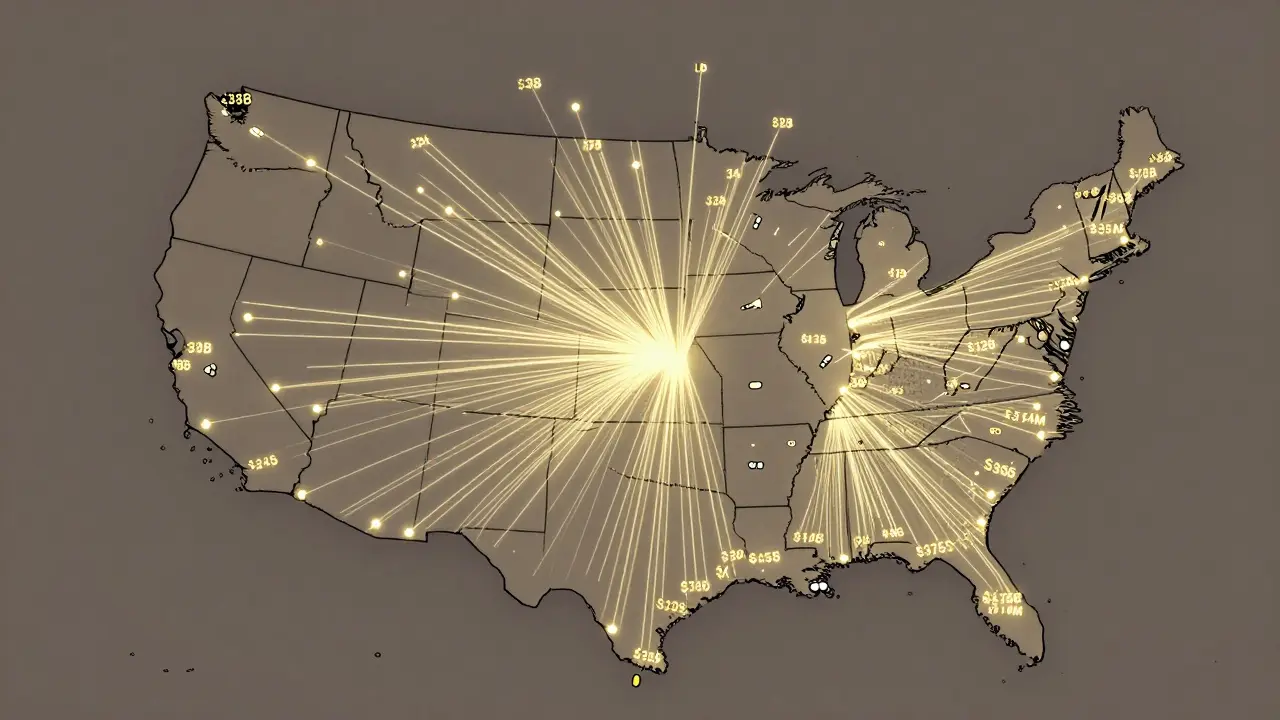
California saved $38 billion in 2023. Alaska saved $354 million. Even small states saved hundreds of millions. It’s not just a national story - it’s a state-by-state lifeline.
Why Do Prices Drop So Hard After Generic Entry?
When a brand-name drug has no competition, the company can charge what it wants. Once a generic hits, the race is on. The first generic maker often prices low to win market share. Then others enter. Soon, there are 5, 10, sometimes 20 versions of the same pill.
The FDA found that after generic approval, the brand-name drug’s price often drops too - sometimes by 50% or more - just to stay competitive. The formula is simple: (Brand price - Generic price) × volume of generics sold + (Brand price drop × remaining brand sales).
For example, if a heart drug cost $300 a month as a brand and drops to $10 as a generic, and 100,000 people switch, you’ve saved $29 million in one month. That’s not theory. That’s real data from real prescriptions.
Who Benefits the Most?
Patients pay less at the pharmacy counter. The average generic copay in 2019 was $6.97. About 92% of generic prescriptions cost $20 or less. That’s life-changing for people on fixed incomes or managing chronic conditions.
But here’s the catch: not all savings reach the patient. Pharmacy Benefit Managers (PBMs) - the middlemen between insurers and pharmacies - often keep a big chunk of the rebate money. A 2023 Senate investigation found only 50-70% of the savings from generics actually lower patient out-of-pocket costs. The rest goes to PBMs, insurers, or manufacturers.
Still, even with that leakage, generics make a huge difference. A patient paying $500 a month for a brand-name antidepressant might pay $15 with the generic. That’s not a minor perk - it’s the difference between filling the prescription or skipping doses.
The Bigger Picture: Generics Are the Backbone of U.S. Drug Use
Here’s the most striking stat: 90% of all prescriptions filled in the U.S. are generics. Yet they make up only 13.1% of total prescription drug spending.
That means the system relies on generics to keep costs from exploding. Without them, drug spending would be more than seven times higher. And that’s not even counting the savings from biosimilars - the generic versions of complex biologic drugs. As of August 2024, the FDA had approved 59 biosimilars. Their savings are still small compared to traditional generics, but they’re growing fast.
The FDA approved 742 generic drug applications in 2022 - up from 633 in 2021. That’s because the Generic Drug User Fee Amendments (GDUFA) have cut review times. Now, 95% of standard applications are reviewed within 10 months. Faster approvals mean faster savings.
What’s Next? Challenges and Opportunities
The pipeline of new generics is strong. Dozens of blockbuster drugs - including treatments for diabetes, autoimmune diseases, and high cholesterol - are set to lose patent protection over the next five years. That could push annual savings past $500 billion by the end of the decade.
But there are roadblocks. Some brand-name companies use legal tricks - like patent thickets, REMS restrictions, or pay-for-delay deals - to delay generic entry. The FDA’s 2023 Drug Competition Action Plan is trying to shut those down.
Also, not all drugs are easy to copy. Complex injectables, inhalers, and topical creams take years to develop and test. The FDA is working on new guidance to speed up approval of these “complex generics,” but progress is slow.
Still, the trend is clear: generics are not a side note in healthcare. They’re the main engine keeping drug prices from crushing patients, insurers, and taxpayers.
What This Means for You
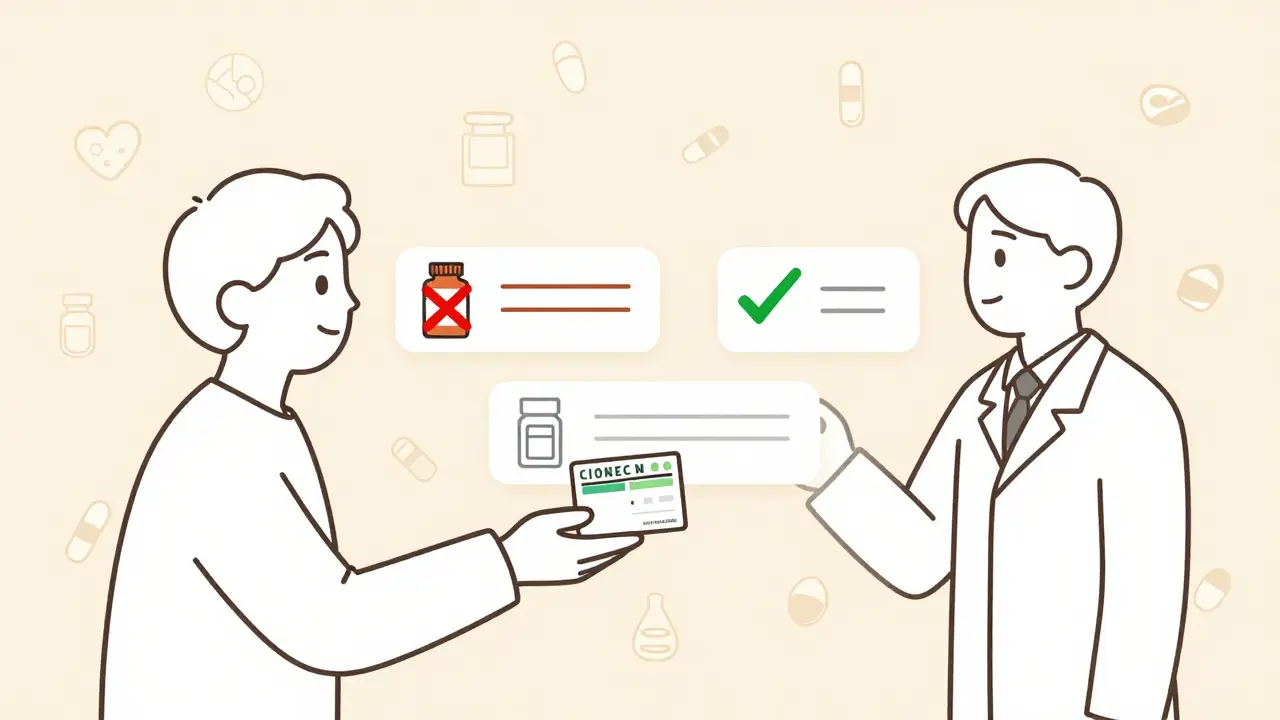
If you take medication - especially for chronic conditions - ask your pharmacist: "Is there a generic?" The answer is almost always yes. And if you’re paying more than $20 for a monthly supply of a common drug, you’re probably overpaying.
Don’t assume the brand is better. Don’t assume the generic is weaker. They’re the same drug. Same active ingredient. Same FDA standards. Just cheaper.
Every time you choose a generic, you’re not just saving money for yourself. You’re helping lower costs for everyone else too. That’s the real power of competition.
How much do generic drugs save the U.S. each year?
In 2023, generic and biosimilar drugs saved the U.S. healthcare system $445 billion. This includes savings from all generics in use that year, not just new approvals. The FDA reports that new generic approvals alone saved $18.9 billion in 2022 during their first year on the market.
Why do generic drug savings vary so much from year to year?
Savings jump or drop based on which brand-name drugs lose patent protection. In 2019, several high-cost drugs - like Humira and EpiPen - lost exclusivity, leading to a record $7.1 billion in savings from new generics. In 2020, fewer big drugs came off patent, so savings dropped to $1.1 billion. It’s not a steady stream - it’s a lottery based on patent expirations.
Do generics really work the same as brand-name drugs?
Yes. The FDA requires generics to have the same active ingredient, strength, dosage form, and route of administration as the brand. They must also meet the same strict standards for quality, purity, and performance. Over 90% of U.S. prescriptions are generics, and they’re used safely by millions every day.
Why is my copay still high even though there’s a generic?
Pharmacy Benefit Managers (PBMs) often control pricing and rebates. Even if a generic costs $10, your plan might still charge you $20 if the PBM keeps the discount. Some states are passing laws to force PBMs to pass savings to patients. Ask your pharmacist if the generic is truly the cheapest option - sometimes switching plans or using a discount card helps.
How do I know if a drug has a generic version?
Ask your pharmacist or check the FDA’s online database of approved generic drugs. Most common medications - like metformin, lisinopril, or atorvastatin - have multiple generics. If your prescription is for a brand name like Lipitor or Nexium, a generic is almost certainly available.
Comments
8 Comments
Amy Ehinger
It’s wild how much we take generics for granted. I’ve been on lisinopril for years, and I used to pay $80 a month for the brand until my pharmacist pointed out the generic was $4. I didn’t even know they were the same thing. Now I tell everyone I know to ask. It’s not just about saving money-it’s about staying alive without going broke.
Tom Doan
Let me get this straight-the FDA approves hundreds of generics every year, yet the same corporations that profit off brand-name drugs are the ones lobbying to delay them? And we’re supposed to be surprised when savings fluctuate based on patent cliffs? This isn’t market competition. It’s a rigged game where the rules are written by the players who benefit from the status quo.
Jami Reynolds
While the data appears compelling on the surface, one must consider the systemic manipulation behind the scenes. The FDA’s approval process is not immune to regulatory capture-pharmaceutical giants funnel millions into lobbying, and the GDUFA program, while ostensibly accelerating approvals, has created a quid pro quo environment where the agency becomes dependent on industry fees. The $445 billion figure? Likely inflated by accounting methods that ignore rebates, PBM kickbacks, and hidden markups. The real savings may be a fraction of what’s claimed, and the public is being sold a fairy tale wrapped in statistics.
Mike Berrange
Wow. So the system is ‘saving’ hundreds of billions, but my copay for my thyroid med is still $45? That’s not a savings-it’s a joke. And now you want me to believe the generics are ‘just as good’? I’ve had two different generics for the same drug-one made me dizzy, the other gave me insomnia. They’re not identical. The FDA says they are. But my body doesn’t care what the FDA says.
Amy Vickberg
I just want to say thank you to everyone who works to keep generics accessible. My mom has type 2 diabetes and takes metformin-she used to skip doses because she couldn’t afford it. Now she gets it for $5 at Walmart. She’s alive because of this system. I know there are flaws with PBMs and corporate greed, but for people like her, this isn’t theory-it’s survival. Let’s fix the middlemen, not the solution.
Nicholas Urmaza
90% of prescriptions are generics and yet we still let Big Pharma dictate prices? That’s like letting the grocery store charge $20 for a loaf of bread because they own the wheat field. The FDA approves generics fast but the real bottleneck is the insurance middlemen who pocket the difference. We need transparency laws now-not more reports. If the savings are real, why don’t patients see them? Because someone’s stealing it. Period.
RUTH DE OLIVEIRA ALVES
It is imperative to acknowledge that the remarkable cost-containment achievements attributable to generic pharmaceuticals represent not merely a market phenomenon, but a triumph of public health policy grounded in scientific rigor and regulatory integrity. The FDA’s stringent bioequivalence standards ensure therapeutic equivalence, and the cumulative savings of $445 billion in 2023 alone constitute a fiscal and humanitarian milestone. To dismiss these outcomes as illusory or manipulated is to disregard both empirical data and the lived experiences of millions who access life-sustaining medications only because generics exist. The challenge lies not in the efficacy of generics, but in the structural inequities of distribution and reimbursement mechanisms, which demand systemic reform-not skepticism of the solution.
Crystel Ann
I just read this whole thing and honestly? I’m crying. Not because I’m sad-because I’m relieved. My brother has bipolar disorder and he was skipping his meds because the brand cost $600 a month. The generic? $12. He’s stable now. He’s working again. He’s alive. This isn’t just numbers on a chart. It’s people. Real people. Thank you for sharing this.
Write a comment