Drug Boxed Warning Checker
Check Prescription Drug Safety Warnings
Find out if your prescription medication has a boxed warning and learn about specific safety risks.
Every year, the FDA updates its list of boxed warnings-the strongest safety alerts it can issue for prescription drugs. These aren’t just small print at the bottom of a pill bottle. They’re bold, black-bordered notices that scream: ‘This drug can kill you if used wrong.’ And in 2025, the changes weren’t minor tweaks. They were a reckoning.
What Exactly Is a Boxed Warning?
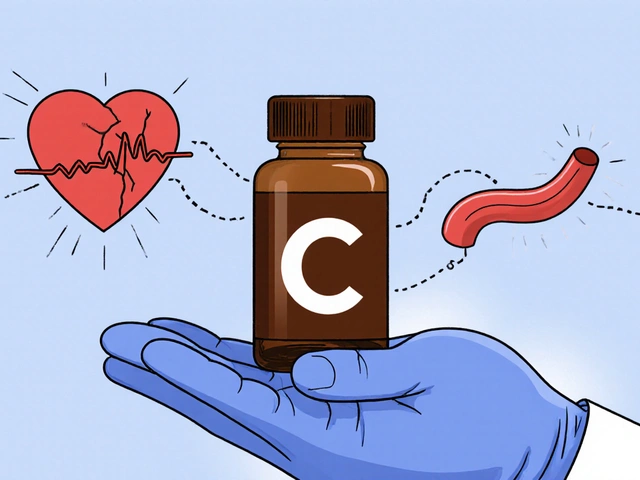
A boxed warning, sometimes called a black box warning, is the FDA’s highest-level safety alert. It appears at the very top of a drug’s prescribing information, surrounded by a thick black border. It’s not there to scare you. It’s there to make sure doctors don’t miss something critical. These warnings aren’t based on theory. They’re added when real-world data shows a drug can cause serious, even fatal, side effects-like liver failure, heart attacks, or sudden death in people who shouldn’t be taking it. Over 400 medications in the U.S. carry one right now. That’s about one in eight prescription drugs. The FDA doesn’t slap these on lightly. They’re only added after post-market surveillance catches patterns that clinical trials missed. Think of it like this: clinical trials test drugs on thousands of people over months. Real life? Millions of people take them for years. That’s where the hidden dangers show up.What Changed in the 2025 Summary?
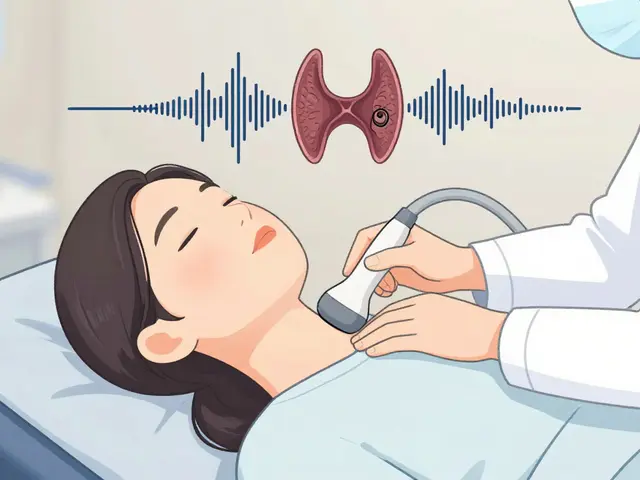
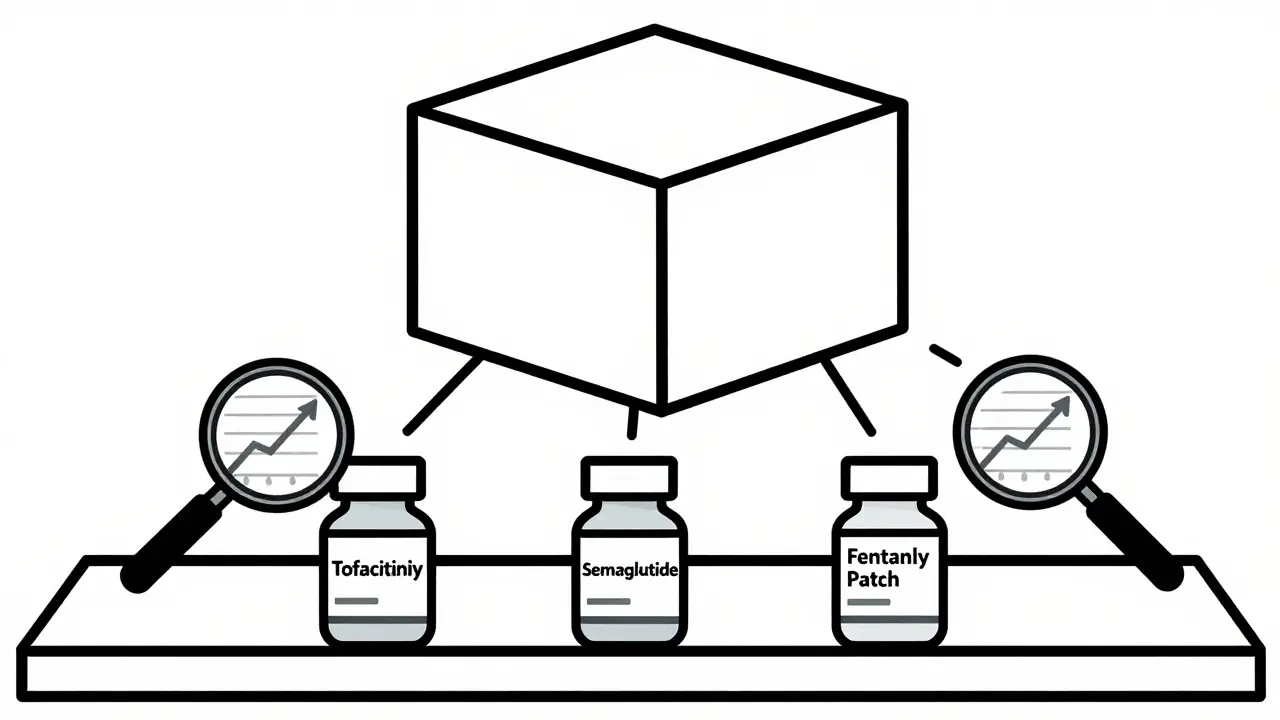
The 2025 update brought 47 new or revised boxed warnings-the highest number since 2021. That’s a 12% jump from the year before. But the bigger story isn’t the number. It’s the type of changes. For the first time, the FDA started requiring quantified risk data in every new warning. No more vague phrases like “may cause liver damage.” Now, you’ll see: “1.2% of patients under 30 developed myocarditis within 30 days of starting this drug.” That’s a game-changer. It turns a scary headline into a clear, measurable risk doctors can weigh against benefits. Immunomodulators-drugs used for autoimmune diseases like Crohn’s, psoriasis, and rheumatoid arthritis-took the biggest hit. Twenty-three percent of all 2025 updates targeted these. Why? Because long-term use is revealing unexpected risks: increased rates of lymphoma, severe infections, and rare neurological damage. Drugs like tofacitinib and upadacitinib got new warnings about blood clots and stroke risk in older patients with heart disease. GLP-1 agonists, the popular weight-loss and diabetes drugs like semaglutide and tirzepatide, also got their first boxed warning. The alert doesn’t say they’re dangerous. It says: “Risk of thyroid C-cell tumors observed in rodents. Human relevance unknown. Monitor for signs of thyroid cancer in patients with personal or family history of medullary thyroid carcinoma.” It’s a cautious, science-backed notice-not a panic button. And then there’s the opioid patch warning update. Fentanyl patches now require explicit documentation of opioid tolerance. No more guessing. If a patient hasn’t been on daily opioids for at least a week, they can’t get this patch. Period. This change alone is expected to prevent dozens of accidental overdoses every month.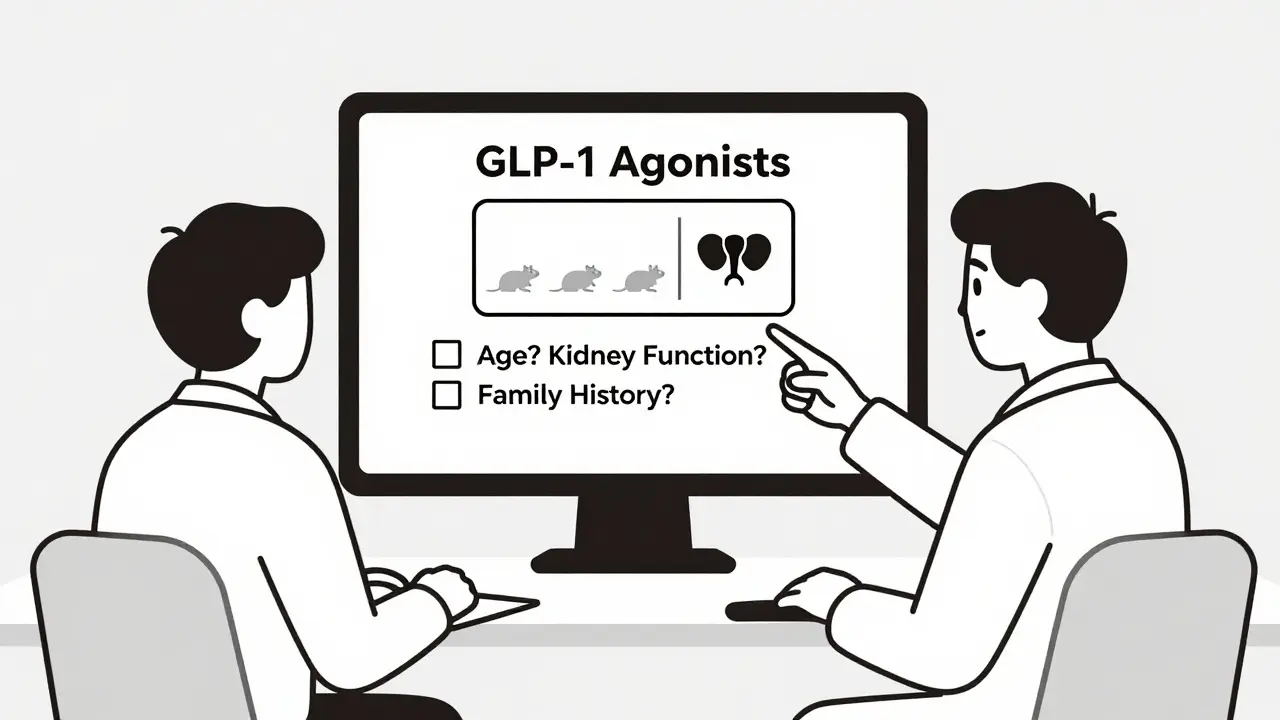
Why These Changes Matter
These aren’t just bureaucratic updates. They change how medicine is practiced. In oncology, where 28% of all boxed warnings live, the new rules mean better survival. Vincristine, a chemotherapy drug, now requires a double-check: IV only. If it’s given any other way-into the spine, into a muscle-it’s fatal. New protocols now force pharmacists to verify the route with two clinicians before administration. Hospitals report a 90% drop in wrong-route errors since the update. In primary care, things are trickier. Many doctors feel overwhelmed. A 2024 survey found that 52% of family physicians say warnings for common drugs like NSAIDs have become “background noise.” Everyone knows ibuprofen can cause stomach bleeds. But now, the warning says: “Risk increases 3.5-fold in patients over 75 with a history of GI bleeding.” That specificity? That’s what helps. It turns a general risk into a personalized red flag. The real win? Better patient outcomes. Since 2015, the FDA estimates these warnings have prevented 12,000 serious adverse events every year. That’s not a guess. It’s based on tracking hospital admissions and death records linked to specific drugs before and after warnings were added.How Clinicians Are Adapting
Hospitals didn’t wait for the FDA to tell them what to do. They built systems. At Henry Mayo Newhall Hospital, every drug with a boxed warning now requires a pharmacist to sign off after checking: patient age, kidney function, current meds, and history of prior reactions. For drugs like valproic acid, liver tests must be done within the first six months. For clozapine, a blood test for white blood cell count is mandatory every week for the first six months. Electronic health records now force prescribers to acknowledge the warning before they can write the prescription. No skipping. No “I know what I’m doing.” The system logs who saw it, when, and what they did about it. But it’s not perfect. On Sermo, a doctor forum, one physician wrote: “I prescribed a boxed warning drug to a hospice patient with cancer. The EHR screamed ‘fatal risk.’ But this patient’s pain was unbearable. I overrode it. The family thanked me.” That’s the tension. Boxed warnings save lives. But sometimes, the alternative is worse.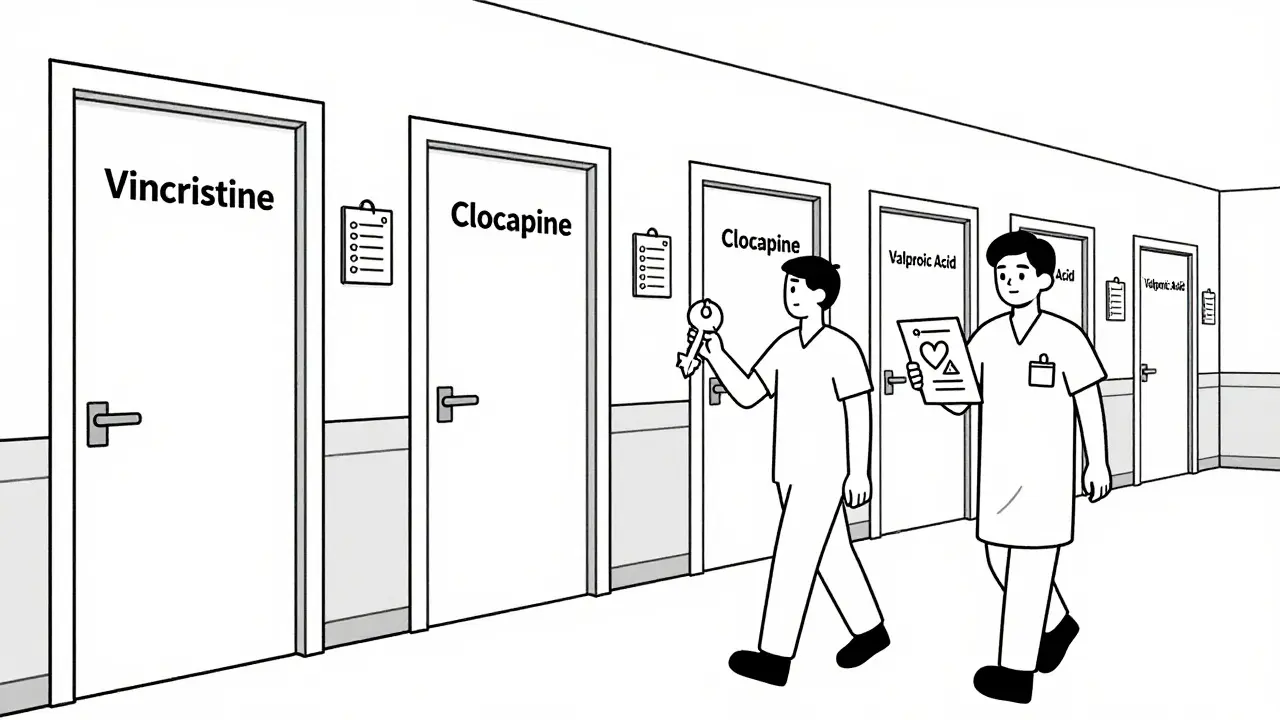
What Patients Need to Know
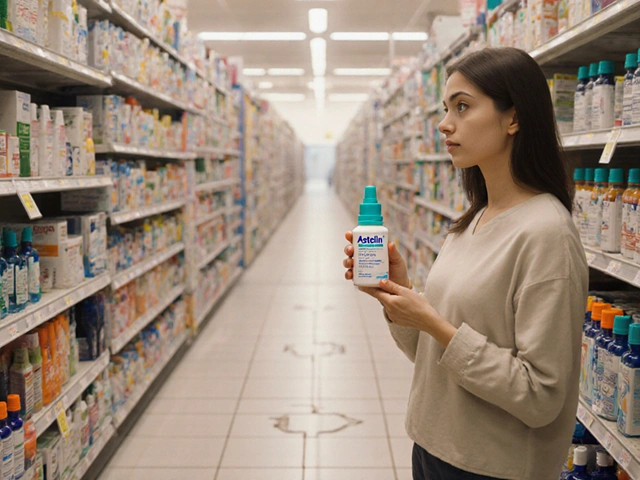
If you’re on a medication with a boxed warning, don’t panic. Don’t stop taking it. Talk to your doctor. The warning is there to help you, not scare you. For example, isotretinoin (Accutane) carries a boxed warning for birth defects. But because the FDA required the iPledge program-mandatory pregnancy tests, contraception use, and monthly check-ins-birth defects from this drug dropped by 98% since 2006. Ask your pharmacist: “What exactly does this warning mean for me?” Don’t settle for “it’s risky.” Ask: “What tests do I need? What symptoms should I watch for? What happens if I miss a check-up?” Patients who understand the warning are more likely to follow the rules. A 2023 FDA survey found that 78% of people who got clear explanations about their boxed warning stuck to their monitoring plan-compared to only 41% who were just told, “Be careful.”The Bigger Picture
The FDA is shifting from vague warnings to precise, data-driven alerts. This isn’t just about safety. It’s about trust. When warnings are too broad, people ignore them. When they’re too specific, they’re useful. The 2025 changes reflect that evolution. The goal isn’t to stop people from using these drugs. It’s to make sure they’re used correctly. And it’s working. Drugs with updated, specific warnings saw a 35% drop in related hospitalizations within a year. That’s the real metric. The next frontier? Dynamic warnings. The FDA is testing systems that adjust the alert based on your age, kidney function, or other meds you’re taking. One patient might see a red alert. Another, with low risk, might see a yellow note. Less noise. More clarity. This isn’t the end of boxed warnings. It’s the beginning of smarter ones.Are boxed warnings the same as side effects listed in the drug leaflet?
No. Side effects listed in the leaflet are common or mild reactions-like nausea, dizziness, or headaches. Boxed warnings are for rare but life-threatening risks that can lead to death or permanent injury. They’re not about discomfort. They’re about survival.
Can I still take a drug with a boxed warning?
Yes, if your doctor believes the benefits outweigh the risks. Many life-saving drugs-like chemotherapy agents, antipsychotics, and blood thinners-carry boxed warnings. The key is following the monitoring rules: regular blood tests, avoiding certain other drugs, or not using it if you have a specific health condition. Never stop without talking to your doctor.
Why do some drugs get boxed warnings years after they’re approved?
Clinical trials involve thousands of people for months or a few years. Real-world use involves millions of people over decades. Rare side effects, interactions with other drugs, or risks in older patients often don’t show up until years later. The FDA uses real-world data from millions of electronic health records to catch these hidden dangers.
Do boxed warnings mean the drug is unsafe?
Not at all. Many drugs with boxed warnings are essential and widely used. Warfarin, for example, carries a warning for major bleeding-but it prevents strokes in millions of people. The warning doesn’t mean don’t use it. It means: use it carefully, monitor closely, and only when needed. Safety isn’t about avoiding risk. It’s about managing it.
What should I do if my doctor prescribes a drug with a new boxed warning?
Ask three questions: 1) What’s the specific risk? 2) What tests or checks do I need? 3) What happens if I skip them? Don’t assume your doctor knows all the details-many don’t. Bring the warning printout to your appointment. Most doctors appreciate the discussion. It’s not about doubting them. It’s about working together to stay safe.
Comments
11 Comments
lokesh prasanth
Boxed warnings? More like boxed propaganda. Pharma pays the FDA to scare people so they can sell more tests and follow-ups. Real risk? Nah. Profit margin.
MARILYN ONEILL
OMG I just found out my blood pressure med has a boxed warning?? I’m gonna die before my next appointment 😭
Sangeeta Isaac
so like… i read the whole thing and now i’m just sitting here wondering if my morning coffee is secretly gonna kill me. also why does everything have a warning now? is this what progress looks like? 🤔
michelle Brownsea
Let me be perfectly clear: the FDA’s 2025 updates represent a moral imperative in pharmacovigilance-finally, we are moving beyond vague, cowardly euphemisms like 'may cause' and embracing quantifiable, evidence-based risk communication. This is not bureaucracy; this is ethical responsibility. The 1.2% myocarditis statistic? That’s not a number-it’s a child’s heartbeat, a parent’s terror, a clinician’s duty. And yet, we still have people dismissing this as 'alarmism.' Who are you protecting? The drug company’s stock price? Or the human being holding the pill bottle? I’ll tell you: the system isn’t broken-it’s being sabotaged by apathy.
Steve Hesketh
Man, I just wanna say-this is the kind of info that actually saves lives. Not just in the U.S., but globally. I’ve seen friends in Nigeria get prescribed stuff without even knowing the risks. If this kind of clarity spreads, we could cut so many preventable deaths. Keep pushing, FDA. You’re doing God’s work.
Yuri Hyuga
This is why I believe in science 🙌 Not because it’s perfect-but because it evolves. The shift from vague warnings to hard numbers? That’s not red tape. That’s respect. Respect for patients. Respect for doctors. Respect for data. And the fact that hospitals are building systems to enforce this? That’s leadership. Keep going. We’re not just safer-we’re smarter now. 💪🧠
Alex Carletti Gouvea
Why is the FDA letting foreign drug makers dictate our safety standards? We used to make real medicine here. Now we’re just signing off on warnings for pills made in China and India. This isn’t safety-it’s surrender.
Malvina Tomja
Let’s be real-this is just another way for hospitals to cover their asses. ‘Oh, we warned you!’ Yeah, but you still prescribed it. And now you’re hiding behind a checkbox in your EHR. I’ve seen patients get denied life-saving meds because some algorithm screamed ‘BOXED WARNING’ and the doctor didn’t want to fight the system. Real safety isn’t about pop-ups. It’s about judgment. And we’re losing that.
Kevin Narvaes
so like… i just found out my antidepressant has a boxed warning and now i’m crying in the bathroom because i thought it was helping me but maybe it’s slowly killing me?? why does everything have to be so dramatic?? i just wanted to feel normal 😭
shubham rathee
the fda is just scared of lawsuits so they slap warnings on everything even if the risk is like 0.001% and you know what they dont tell you is that most of these drugs were tested on people who died in the 80s and now theyre warning about stuff that only happens if you combine it with 7 other meds you never take and also the rodent study for glp1s was done on mice that were injected with 100x the human dose so like why are we panicking again
Philip Williams
Thank you for this comprehensive breakdown. The shift toward quantified risk data is not merely procedural-it is paradigmatic. It transforms patient-clinician dialogue from fear-based compliance to informed partnership. The 90% reduction in vincristine misadministration is not a statistic; it is a testament to systemic integrity. I urge all medical educators to integrate these updates into curricula immediately. Safety is not an afterthought. It is the foundation.
Write a comment