
FDA Safety Archive Navigator
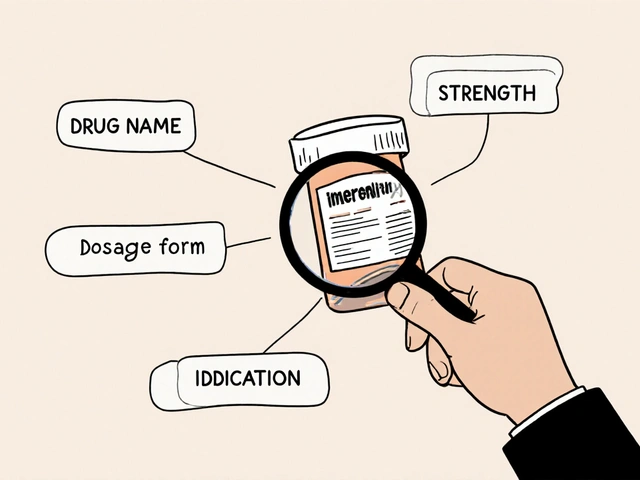
Identify the correct historical database for your research. Select your research focus to determine whether you need modern digital tools or archival records.
Safety warnings have always been critical for patient protection, yet finding the original documents can be a nightmare. You want to trace how a specific drug risk was identified back ten years ago, but the FDA website feels like a maze of updated pages and archived folders. This guide cuts through the confusion, showing you exactly where to find historical safety communications, from modern alerts back to the early 20th-century roots of food and drug regulation.
What Actually Exists in the Archive?
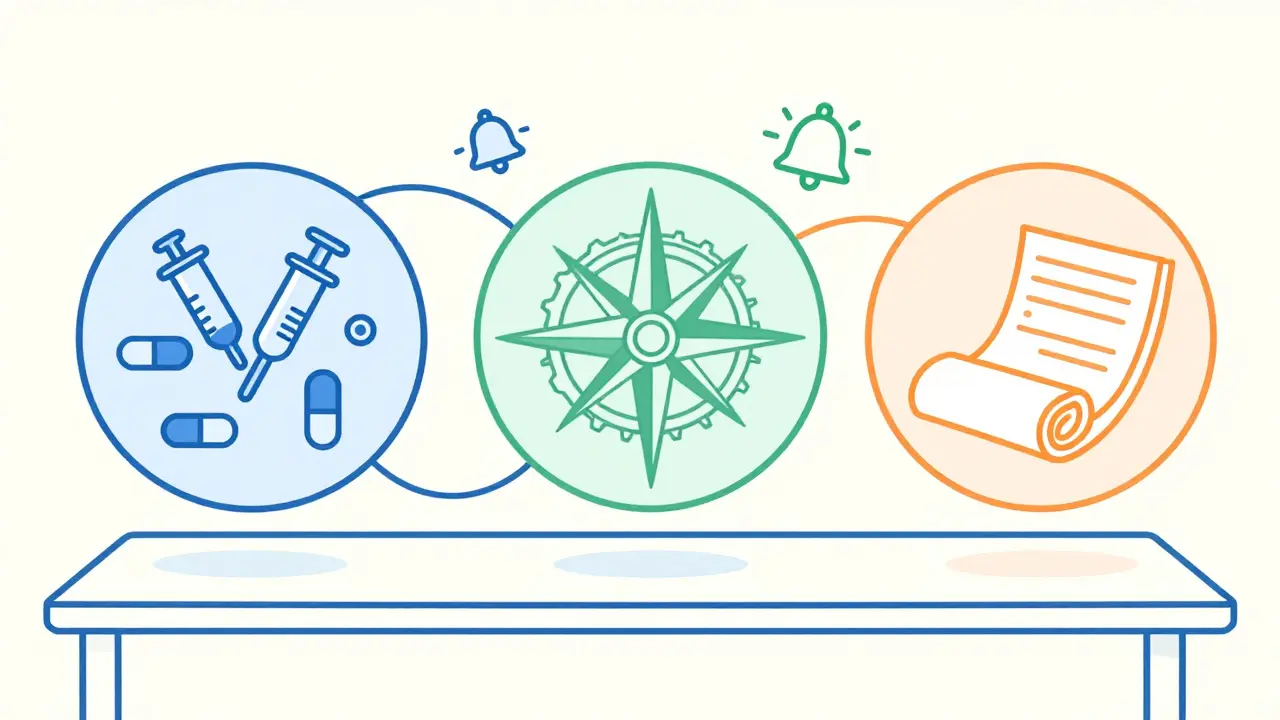
The FDA Safety Communications Archive isn't just one folder. It's a collection of distinct systems that evolved over decades. At its core, it tracks the evolution of risk communication for pharmaceuticals and medical devices. When you dig into the details, you see that the FDA operates three main pillars for safety data. First, there are the Drug Safety Communications (DSCs). These are high-priority alerts aimed at both the public and healthcare providers, organized chronologically from 2010 through 2024. Unlike general news, these documents contain specific clinical recommendations based on accumulating evidence.
Second, there is the specialized database for labeling changes. This is crucial for researchers who need to know exactly what text changed on a package insert. Then there is the Medical Device Safety Communications system, which handles recalls and Early Alerts. Understanding that these are separate buckets helps you stop searching in the wrong place. If you are looking for a change to a patient medication guide, searching the general device page won't work. You need to navigate to the specific Drug Safety-related Labeling Changes (SrLC) tool to get the full picture.
| Component Type | Coverage Period | Primary Focus |
|---|---|---|
| Drug Safety Communications (DSC) | 2010 - Present | Risk alerts for drugs/biologics |
| SrLC Database | January 2016 - Present | Specific text changes on labels |
| Medical Device Alerts | Varying Dates | Recalls and safety issues for devices |
Navigating the Drug Safety Database
For most researchers, the entry point is the DSC section. The FDA organizes these by year, but there is a catch. They often archive older versions if newer information supersedes them. If you look for a 2012 alert on statin muscle pain, you might find it marked as 'archived' because a 2020 version covers the same topic with better data. To do proper historical research, you have to click through the 'Archived' tabs. This reveals the timeline of how the agency's understanding shifted.
Then you have the Safety Labeling Changes (SrLC)database tracking required label updates under the Food and Drug Administration Amendments Act (FDAAA). Launched in January 2016, this system implements Section 505(o)(4) of the FD&C Act. Before this date, there wasn't a searchable digital database for labeling edits; you had to rely on physical copies or scattered PDFs. The SrLC database includes changes initiated by the company or the FDA, covering critical sections like Boxed Warnings and Contraindications. If your research spans before 2016, you hit a wall here. That is why you must utilize the FDA.gov Archive portal to view cached versions of web pages from prior years.
Medical Devices and Future Alerts
Device safety works differently than drugs. While drug alerts often focus on side effects, device communications frequently deal with mechanical failures or manufacturing defects. The system has expanded significantly recently. As of late 2025, the Center for Devices and Radiological Health (CDRH) broadened its Early Alerts program to cover all medical devices, not just high-risk ones. This means finding more granular data on lower-risk equipment than ever before.
These communications describe the FDA's analysis of current issues and provide regulatory approaches. For example, if a specific brand of catheter shows signs of fracture, an Early Alert will detail the immediate management steps for hospitals. It's vital to distinguish these from standard recalls, which are voluntary actions by manufacturers. The archive captures the FDA's active role in monitoring these safety signals post-market.
Digging Deeper: The Pre-Digital Era
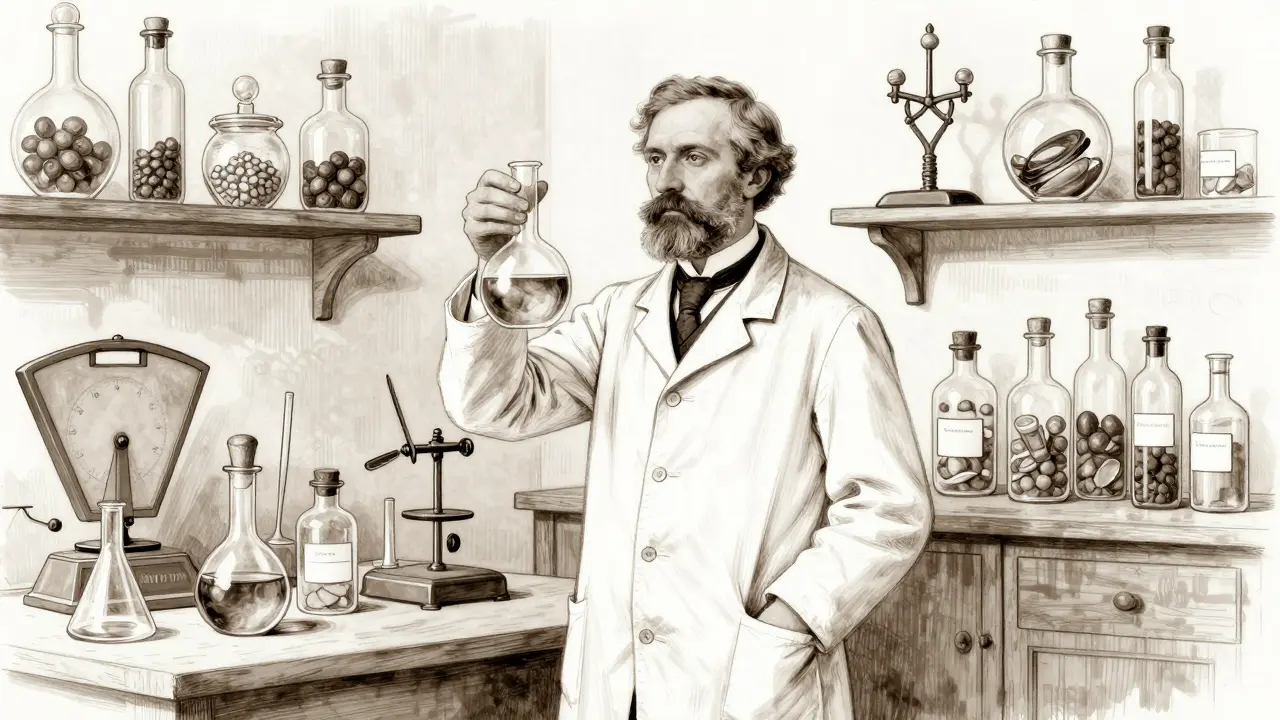
When digital records run dry, you have to go further back. The modern archive starts around 2010, but the roots of FDA safety communications go back to the 'Poison Squad' experiments. Dr. Harvey Washington Wiley conducted his famous tests in the early 1900s to demonstrate the impact of food additives. He co-authored articles like 'Swindled Getting Slim' in 1914, exposing fraudulent health claims that sound familiar even today. His work directly led to the 1906 Pure Food and Drug Act.
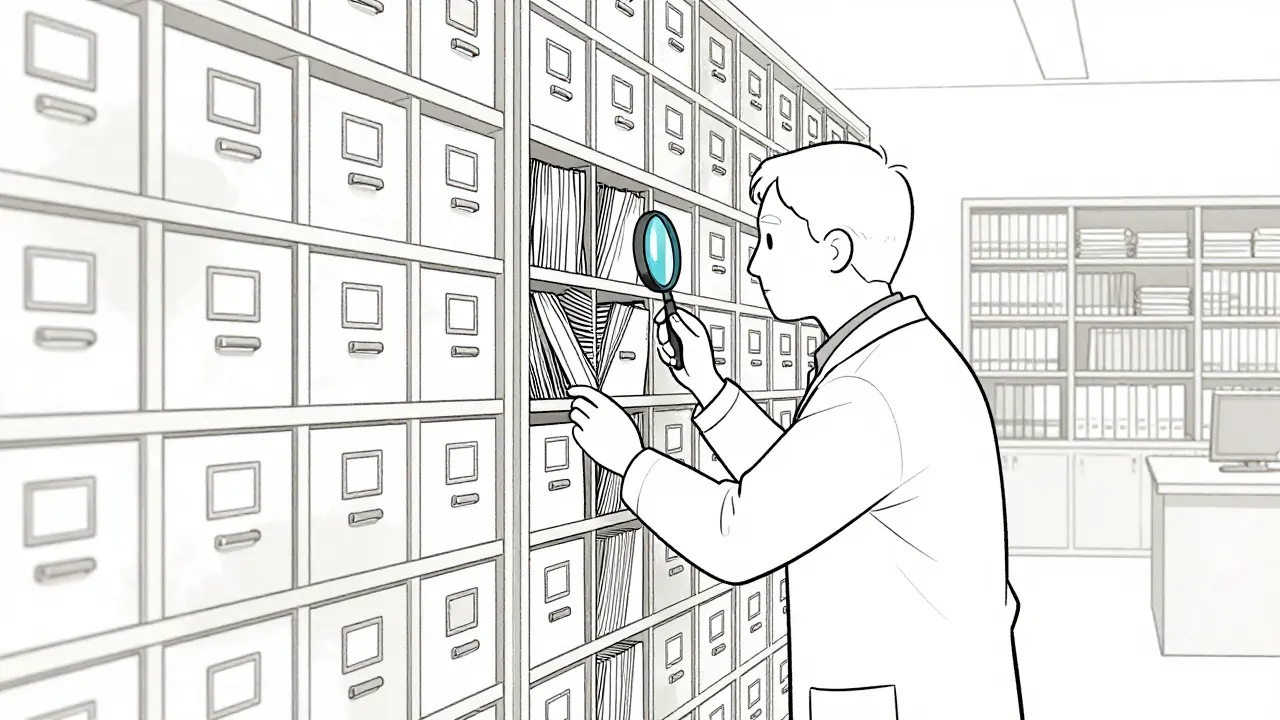
To access these pre-1906 records or early 20th-century documentation, you cannot rely solely on the FDA website. The National Archives holds Record Group 88, containing textual records from 1906 to 1946 regarding manufacturers and distributors. This includes correspondence and reports that laid the groundwork for the safety net we use now. It is essential knowledge for anyone studying the full history of product safety, as digital convenience shouldn't replace deep archival digging when necessary.
| Agency | Focus Area | Historical Depth |
|---|---|---|
| U.S. FDA | Drugs and Medical Devices | Organized chronologically since 2010; paper records earlier |
| E.U. EMA | Human Medicines | Systematic organization largely post-2015 |
| CDC HAN | Infectious Disease | Focused on emerging threats rather than product safety |
Global Context and Limitations
It is also worth comparing the U.S. approach with international bodies. The European Medicines Agency (EMA) maintains safety alerts, but their historical organization prior to 2015 is less systematic than the FDA's. Health Canada uses a unified 'Recalls and Safety Alerts' database, whereas the U.S. keeps drugs and devices separated. This fragmentation can be frustrating for global researchers needing to compare trends across borders.
A significant limitation noted in academic literature is the varied impact of these communications. Some FDA advisories immediately shift prescribing behaviors, while others show delayed or no impact on health outcomes. A 2012 study highlighted that risk communication is a complex science, and the effectiveness depends heavily on how the message is delivered and received. Knowing this helps you interpret the historical record-it's not just about what was said, but whether it worked.
Effective Search Strategies
Start your search by identifying the drug name or device category. Do not start by typing generic terms like "safety warning." Instead, browse the DSC list by year if you know roughly when the issue was reported. If you are looking for a specific labeling change after 2016, query the SrLC database directly using the brand or generic name. For older queries, visit the Wayback Machine or the National Archives catalog for Record Group 88.
Use the FDA contact channels if you hit dead ends. The Division of Drug Information provides support via email at [email protected] or phone at (855) 543-3784. Remember, the database is a snapshot in time; if you are compiling long-term research, check for updated resources like the October 2023 launch of new tools designed to assist external researchers collecting historical approval data.
Why are some DSCs listed as 'archived'?
The FDA marks communications as archived when newer documents with updated information have been issued. The older version is kept for historical reference but is flagged so users prioritize the most current safety data.
Can I access safety warnings before 2010?
Yes, but they are not in the main DSC database. You must use the FDA.gov Archive tool for web snapshots or consult the National Archives for records dating back to 1906 and earlier.
Is the SrLC database free to use?
Yes, the Safety Labeling Changes Database is freely accessible through the FDA website without cost, covering changes mandated by the FDAAA since January 2016.
How does the FDA differ from the EMA regarding archives?
The FDA maintains more detailed chronological archives for its Drug Safety Communications compared to the EMA, whose historical alerts were less systematically organized before 2015.
Who launched the original FDA safety initiatives?
Dr. Harvey Washington Wiley conducted the foundational experiments and advocacy efforts starting in the early 1900s, leading to the creation of the 1906 Pure Food and Drug Act.
Comments
12 Comments
Russel Sarong
Navigating these archives feels like walking through a minefield! The URLs change without warning often. You spend hours digging for a single PDF file. It is incredibly frustrating when records go missing suddenly. The system should prioritize stability over updates! Nobody likes dead links anymore!!!
Molly O'Donnell
The Wayback Machine handles pre-2010 queries better than the official portal does.
Julian Soro
I agree that link rot is a major issue here. Saving local copies helps significantly. You can download the PDFs before archiving them personally. It creates a safety net for future reference work.
Eleanor Black
It is fascinating how regulatory bodies manage historical data retention. The transition from paper records to digital repositories took decades. One must appreciate the sheer volume of information processed annually. Researchers often struggle with inconsistent metadata tagging. The lack of standardized identifiers causes unnecessary confusion. Archival protocols need to undergo significant modernization. Transparency benefits public health outcomes directly. Without access to older alerts, we lose critical context. Modern tools should integrate legacy systems seamlessly. Interoperability remains a significant challenge for many institutions. We must advocate for better preservation strategies collectively. Digital preservation ensures knowledge survives software obsolescence. Public interest relies on accurate historical safety documentation. The cost of ignoring past lessons is too high to ignore. Future generations depend on our current organizational choices now.:)
James DeZego
Don't forget the SrLC database launched in 2016 specifically for label changes. :) It saves hours of searching through individual drug pages. Always check that section first for recent amendments.
Rocky Pabillore
Obviously the SrLC tool is for the elite researcher who understands metadata. Most people simply cannot navigate these specialized databases properly. The common layman deserves simpler interfaces than this complex tool offers.
Owen Barnes
just use the national archives for stuff before 2010 man. its a bit tricky but doable. try teh record group 88 section there. dont give up on old papers.
Callie Bartley
Some people act like finding records is impossible when they simply refuse to read the documentation. The guide clearly states where to look for everything anyway. Ignoring the manual leads to wasted time complaining later.
Arun Kumar
In India we face similar challenges with drug safety tracking locally. Global researchers benefit from comparing these regional differences closely. Knowledge sharing across borders improves patient care everywhere.
Cara Duncan
That is such an important point about international cooperation! 🌍 Sharing data saves lives globally. We all work towards safer medications together 💊😊.
Jenny Gardner
Punctuation matters immensely when interpreting regulatory text! Ambiguous phrasing causes dangerous misunderstandings frequently. Clarity prevents medical errors during implementation!
Cullen Zelenka
Yeah that's right. The internet archive really fills the gap left by the government site. Good to know those resources exist for everyone.
Write a comment