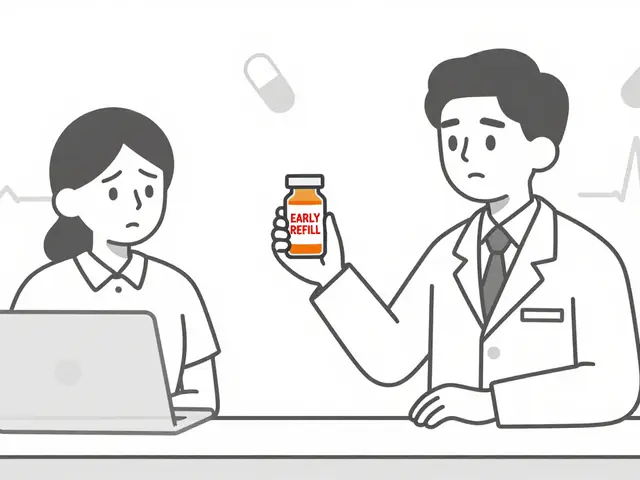

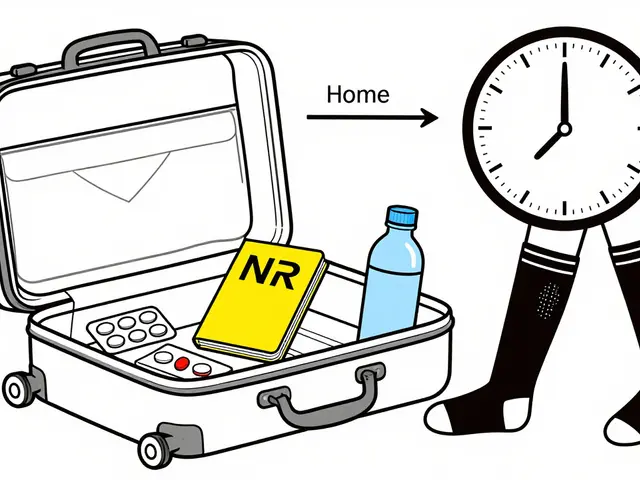
Herpes simplex on the skin isn’t just a blister or a scab-it’s a recurring battle. If you’ve ever felt that familiar tingling before a cold sore pops up, or dealt with painful sores that keep coming back, you know how frustrating it can be. The virus doesn’t go away. Once it’s in your body, it hides in your nerves, waiting for the right moment to come back. But that doesn’t mean you’re powerless. With the right approach, you can cut down outbreaks, reduce discomfort, and even lower the chance of passing it to others.
What Causes Herpes Simplex Skin Outbreaks?
Herpes simplex is caused by two types of viruses: HSV-1 and HSV-2. HSV-1 usually shows up around the mouth as cold sores, while HSV-2 is more common in the genital area. But that’s not a hard rule-HSV-1 can cause genital outbreaks too, and HSV-2 can appear on the mouth. The virus enters your body through tiny breaks in the skin or mucous membranes, often during kissing, oral sex, or skin-to-skin contact with someone shedding the virus.After the first infection, the virus travels to nerve clusters near your spine and stays there quietly. It doesn’t cause symptoms then. But under the right conditions, it wakes up. This is called reactivation. And when it does, you get a new outbreak.
What triggers it? It varies from person to person. Common triggers include:
- Stress (emotional or physical)
- Sun exposure (especially for lip cold sores)
- Illness or fever
- Hormonal changes
- Skin injuries (cuts, scrapes, laser treatments)
- Weakened immune system
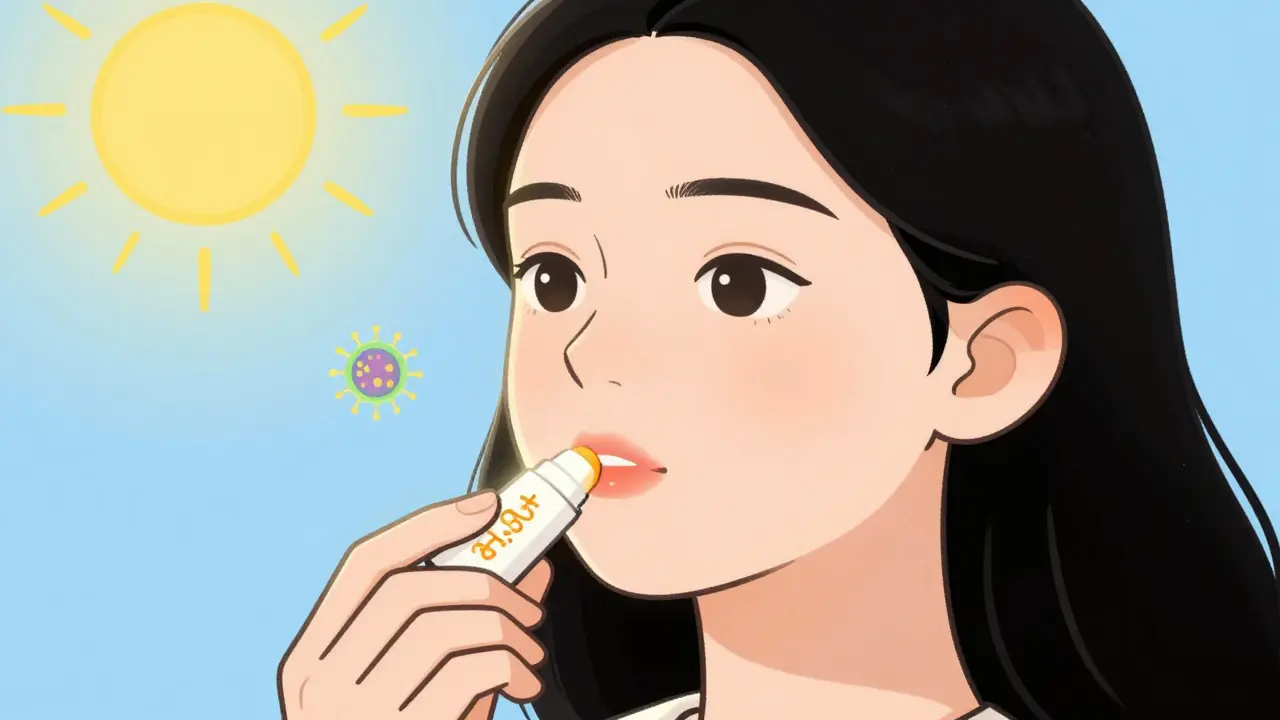
One study found that 68% of people with herpes report stress as their biggest trigger. Another found that 76% saw fewer outbreaks when they used SPF 30+ lip balm daily. These aren’t myths-they’re patterns backed by real data from thousands of people.
How to Prevent Recurrences
Preventing outbreaks isn’t about avoiding life. It’s about managing risk. Here’s what actually works.1. Antiviral Medications: The Gold Standard
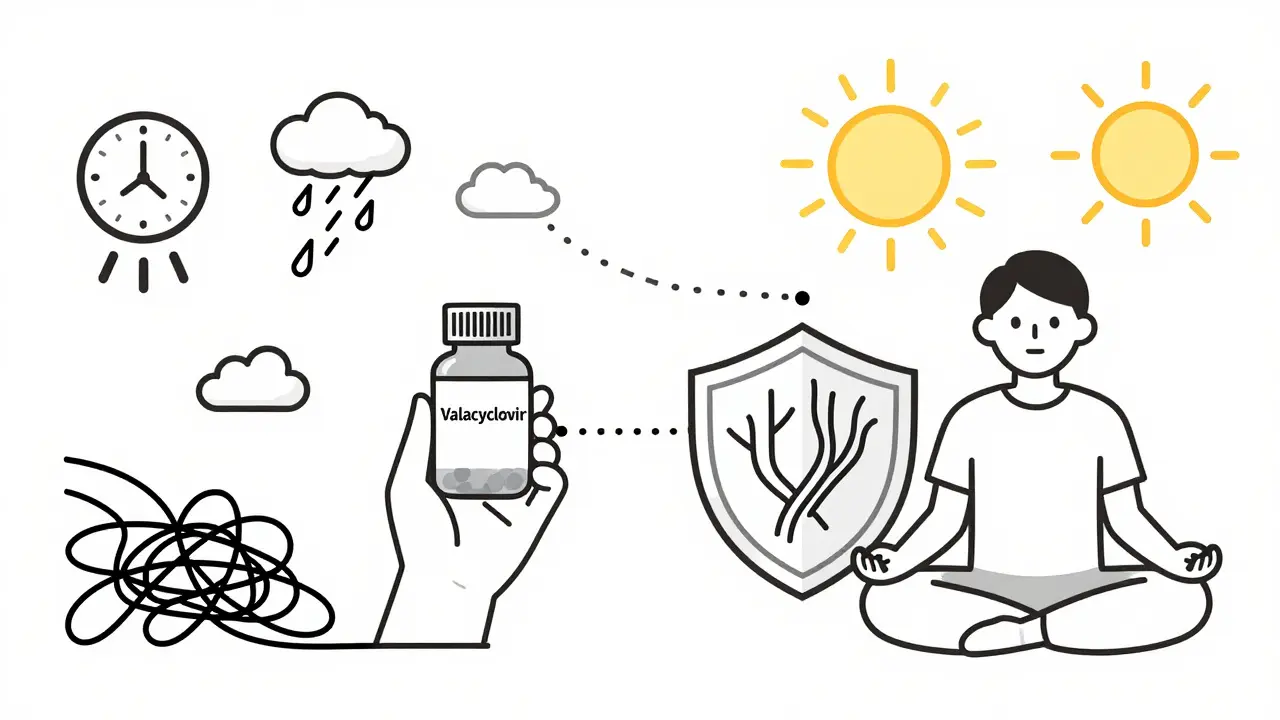
There are three main antiviral drugs used for herpes: acyclovir, valacyclovir, and famciclovir. All of them work by blocking the virus from copying itself. But they’re not all the same.Valacyclovir (brand name Valtrex) is the most commonly prescribed for prevention because it’s better absorbed by the body. While acyclovir only gets about 15% absorbed, valacyclovir hits 55%. That means you take fewer pills, less often.
There are two ways to use these drugs:
- Suppressive therapy: Taking the drug every day, even when you’re not having an outbreak. This is the most effective way to cut down recurrences.
- Episodic therapy: Taking the drug only when you feel the first signs-tingling, itching, burning.
For people who have six or more outbreaks a year, daily suppressive therapy reduces recurrences by 70-80%. That’s not a small change-it’s life-changing. One patient reported going from 8 outbreaks a year to just 1.4 after starting daily valacyclovir.
For HSV-1 cold sores, especially if sun exposure triggers them, taking acyclovir 400mg twice daily or valacyclovir 500mg twice daily can cut outbreaks by over half. But if you only have one or two outbreaks a year, daily pills probably aren’t worth the cost or side effects.
2. Trigger Management: Stop the Spark
Medication helps, but you can’t out-pill your triggers. Here’s how to reduce them:- Sun protection: Use SPF 30+ lip balm every day-even in winter. UV light is one of the top triggers for oral herpes.
- Stress control: Meditation, sleep, exercise, therapy. A 2022 survey found people who managed stress had 40% fewer outbreaks.
- Avoid skin trauma: If you’re getting a laser treatment, chemical peel, or even a tattoo, tell your provider about your herpes history. Many dermatology clinics now give valacyclovir before these procedures to prevent outbreaks. One study showed 100% prevention when patients took valacyclovir for 10-14 days before laser resurfacing.
- Zinc supplements: Some people report fewer or less severe outbreaks with 15-30mg of zinc daily. It’s not magic, but it’s low-risk and supported by user reports.
3. Early Treatment: Act Fast
If you feel that tingling-don’t wait. The moment you sense it, take your antiviral. If you start treatment within an hour of prodrome symptoms, healing time drops from 5.2 days to 4.3. Wait until the blister appears? Effectiveness drops by half.For episodic treatment, the CDC recommends:
- Valacyclovir: 2g twice a day for one day
- Acyclovir: 800mg three times a day for 5 days
Don’t try to use topical creams like acyclovir ointment for prevention. Studies show they don’t reduce recurrence. They might help a little if applied early, but they’re not a substitute for oral meds.
What About Transmission?
You can still pass the virus even when you don’t have visible sores. This is called asymptomatic shedding. It happens about 10-20% of the time in people with herpes.Daily suppressive therapy cuts transmission risk by about 50%. In one major study, couples where one partner had herpes and took valacyclovir daily had 48% fewer transmissions than those who didn’t. But it doesn’t eliminate risk. Condoms help, especially for genital herpes. Avoid kissing or oral sex when you feel symptoms coming on.
And remember: you don’t need to be “sick” to spread it. That’s why education matters. If you’re sexually active, talk to your partner. Most people already have HSV-1, even if they never had symptoms.
Costs and Side Effects
Valacyclovir costs around $370 a month in the U.S. without insurance. That’s why many people skip doses. In one survey, 72% admitted they didn’t take their pills because of cost. If you can’t afford daily meds, episodic therapy is still better than nothing.Side effects are usually mild: headache, nausea, dizziness. Rarely, kidney problems can happen in people with existing kidney disease. If you’re on long-term therapy, get your kidney function checked every year.
For people with frequent outbreaks, the cost is worth it. But if you only get one outbreak every year or two, the expense and hassle might not match the benefit.
When to See a Doctor
You don’t need to see a doctor for every cold sore. But if any of these apply, get help:- You’re having more than six outbreaks a year
- Outbreaks last longer than two weeks
- You have sores in unusual places (eyes, fingers, widespread skin)
- Your immune system is weak (HIV, chemotherapy, transplant)
- You’re pregnant
Also, if you’re planning a cosmetic procedure-laser, peel, tattoo-tell your provider. Many clinics now require herpes history screening and may offer pre-treatment antivirals.

Real Stories, Real Results
One woman in her 30s had outbreaks every 3-4 weeks. She tried everything-herbal remedies, diet changes, stress apps. Nothing worked. Then she started daily valacyclovir. Within three months, she had one mild outbreak. After a year, none. She says it didn’t just change her skin-it changed her confidence.Another man, a welder, kept getting cold sores from sun exposure. He started using SPF 30 lip balm every morning. His outbreaks dropped from 8 a year to 2. He says he didn’t even need medication anymore.
These aren’t outliers. They’re examples of what’s possible when you combine medical care with smart habits.
What’s Next?
There’s no cure yet. But research is moving. A new antiviral called pritelivir was approved in 2023 for drug-resistant cases. Two vaccines are in trials, but neither has shown strong enough results to be approved yet. Long-acting injectable antivirals (given every 90 days) are being tested and could change the game.For now, the best tools we have are already here: antivirals, trigger awareness, and early action. You don’t have to live in fear of the next outbreak. You can take control.
Can herpes simplex be cured?
No, herpes simplex cannot be cured. Once you’re infected, the virus stays in your body for life, hiding in nerve cells. But it can be managed. With the right treatment, many people go months or years without outbreaks. The goal isn’t to eliminate the virus-it’s to keep it quiet.
Is it safe to take antivirals long-term?
Yes, for most people. Acyclovir, valacyclovir, and famciclovir have been used for decades with strong safety records. Side effects are usually mild. The main concern is kidney function in people with existing kidney disease. If you’re on daily therapy for years, your doctor should check your kidney health once a year. For healthy people, long-term use is considered safe.
Can I use over-the-counter creams to prevent outbreaks?
No. Topical creams like acyclovir ointment or docosanol (Abreva) may help shorten healing time if used early, but they don’t prevent future outbreaks. Only oral antivirals taken regularly or at the first sign of symptoms have been proven to reduce recurrence frequency. Don’t rely on creams for prevention.
Do I need to tell my partner I have herpes?
Yes. Even if you don’t have symptoms, you can still pass the virus. Telling your partner isn’t about shame-it’s about shared health. Many people already carry HSV-1 without knowing. With suppressive therapy and safe practices, transmission risk drops significantly. Open communication helps reduce stigma and builds trust.
Can I get herpes from sharing towels or toilet seats?
Almost never. Herpes spreads through direct skin-to-skin contact with an infected area, especially when the virus is active. The virus doesn’t survive long on surfaces like towels, toilet seats, or doorknobs. You’re far more likely to catch it from kissing, oral sex, or intimate contact than from objects. Focus on avoiding contact during outbreaks, not cleaning everything.
What if I only get one outbreak a year?
Daily antivirals aren’t usually recommended. The cost and side effects outweigh the benefit if you have fewer than six outbreaks a year. Instead, focus on trigger avoidance: sun protection, stress management, and avoiding skin trauma. Keep antiviral pills on hand and take them at the first sign of tingling. That’s enough for most people with infrequent outbreaks.
Comments
12 Comments
Mike Hammer
I've had cold sores since I was 12. Started taking valacyclovir daily after my 7th outbreak in a year. Didn't believe it at first. One outbreak last year. Zero this year. My dermatologist said it's the most common success story she sees. Don't sleep on the meds.
Daniel Dover
This is solid. Valacyclovir is the real MVP.
Josiah Demara
You people are missing the point. The entire medical industry profits off herpes being a 'chronic condition'. There are natural protocols that suppress it completely. Zinc, lysine, no sugar, no grains. The fact you're all swallowing pharmaceutical propaganda is depressing. You're being manipulated.
Virginia Kimball
I used to be scared to kiss anyone. Then I started the daily pill + SPF 30 balm. Now I travel, I date, I live. It's not a death sentence. It's a manageable thing. You're not broken. You're just a person with a virus. And that's okay.
Esha Pathak
The virus is not your enemy. It is your silent teacher. It whispers through tingling lips: 'Slow down. Rest. Breathe.' We treat it as a flaw to be eradicated. But what if it is a mirror? A reflection of our rushed, sunburnt, overworked souls? The blister is not a curse. It is a call to presence.
When I stopped fighting the outbreak and started listening to it, the frequency dropped. Not because of valacyclovir. But because I finally stopped running.
Mandeep Singh
I can't believe people are still buying into this 'daily antiviral' nonsense. In India, we've been using neem paste, turmeric, and amla for centuries. No one in our village takes pills. We have zero herpes outbreaks. Modern medicine is just a money racket. Your body is not a machine. Stop poisoning it with chemicals. You think you're being smart? You're being scammed.
Kapil Verma
This is why India is superior. We don't need your pills. We have ancient wisdom. You Americans are so addicted to chemicals you think a pill can fix everything. My cousin in Punjab hasn't had a cold sore in 18 years. He eats raw garlic, sleeps on the floor, and chants at dawn. You think your $370/month drug is better than that?
Joe Grushkin
The data here is laughably selective. 68% report stress? That's not a study. That's a poll of people who already believe stress causes outbreaks. Where's the double-blind, placebo-controlled trial? And SPF 30 reduces outbreaks? That's not causal. It's correlation. People who use SPF 30 daily are also more likely to be health-conscious, have better diets, less stress. You're conflating correlation with causation. This isn't science. It's marketing dressed as medicine.
Michael Page
I've had herpes for 15 years. Took valacyclovir for 3 years. Stopped because it felt like I was outsourcing my immune system. Now I only take it when I feel the tingle. Outbreaks are rarer. I sleep more. I meditate. I don't use lip balm every day. I just live. Maybe the virus doesn't need to be silenced. Maybe it just needs space.
Chiruvella Pardha Krishna
The truth is, we are all vessels. The virus is not in us. We are in the virus. It is older than nations. Older than language. It has survived pandemics, wars, plagues. Your fear is not yours. It was implanted. Your body knows how to hold it. You do not need to suppress it. You need to reconcile with it. The blister is not a failure. It is a ritual. A return to the body. To the breath. To the quiet.
Betty Kirby
I don't care how much science you throw at me. I had 12 outbreaks last year. Started valacyclovir daily. Zero this year. I didn't change my diet. I didn't meditate. I didn't stop kissing. I took the damn pill. Stop overcomplicating it. Sometimes the answer is simple: take the medicine.
Kaye Alcaraz
Thank you for this comprehensive, evidence-based guide. It's refreshing to see accurate, compassionate information on a condition so often stigmatized. For anyone feeling overwhelmed: you are not alone. Management is possible. Progress is measurable. And you deserve to live fully, regardless of the virus. Keep going. You've got this.
Write a comment