

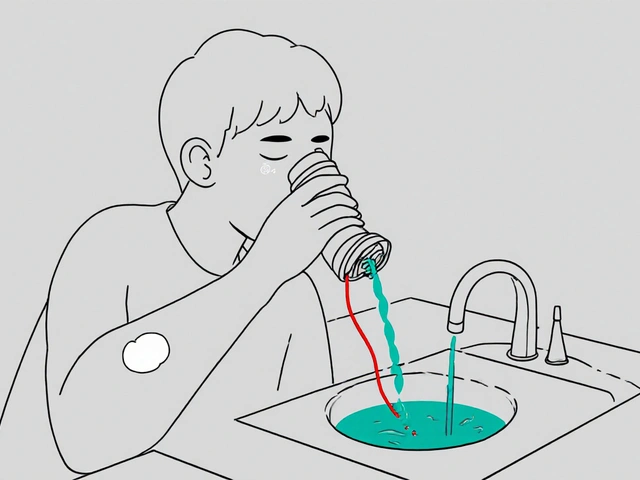

inactive ingredients (also called excipients) are components in medications that don’t treat your condition but help with things like taste, stability, and absorption. A landmark 2019 study published in Science Translational Medicine by MIT and Brigham and Women’s Hospital found that 90% of oral medications contain at least one ingredient that can cause adverse reactions in sensitive patients. This means most pills are mostly inactive ingredients-sometimes up to 99% of the pill’s composition. For people with allergies or intolerances, these seemingly harmless fillers can trigger serious reactions, even when the active drug works perfectly.
Common Allergens in Generic Medications
Not all inactive ingredients are equal. Some are harmless for most people but dangerous for others. Lactose, for example, appears in over 20% of prescription drugs and 6% of over-the-counter medicines. If you have lactose intolerance or a milk allergy, this sugar can cause bloating, diarrhea, or worse. Gluten is another hidden threat. While only 1% of people have celiac disease, even tiny amounts of gluten in medications can damage the gut lining. Other common culprits include:
- Food dyes: Yellow #5 and Red #40 are in 33% of medications. These can trigger hives or asthma in sensitive individuals.
- Bisulfites: Used as preservatives in injectables and inhalers. They cause wheezing and breathing trouble in 5-10% of asthmatics.
- Gelatin: Found in capsules and chewable tablets. A problem for vegetarians or those with egg allergies.
- Soy oil: Used in some liquid medications. Can affect people with soy allergies.
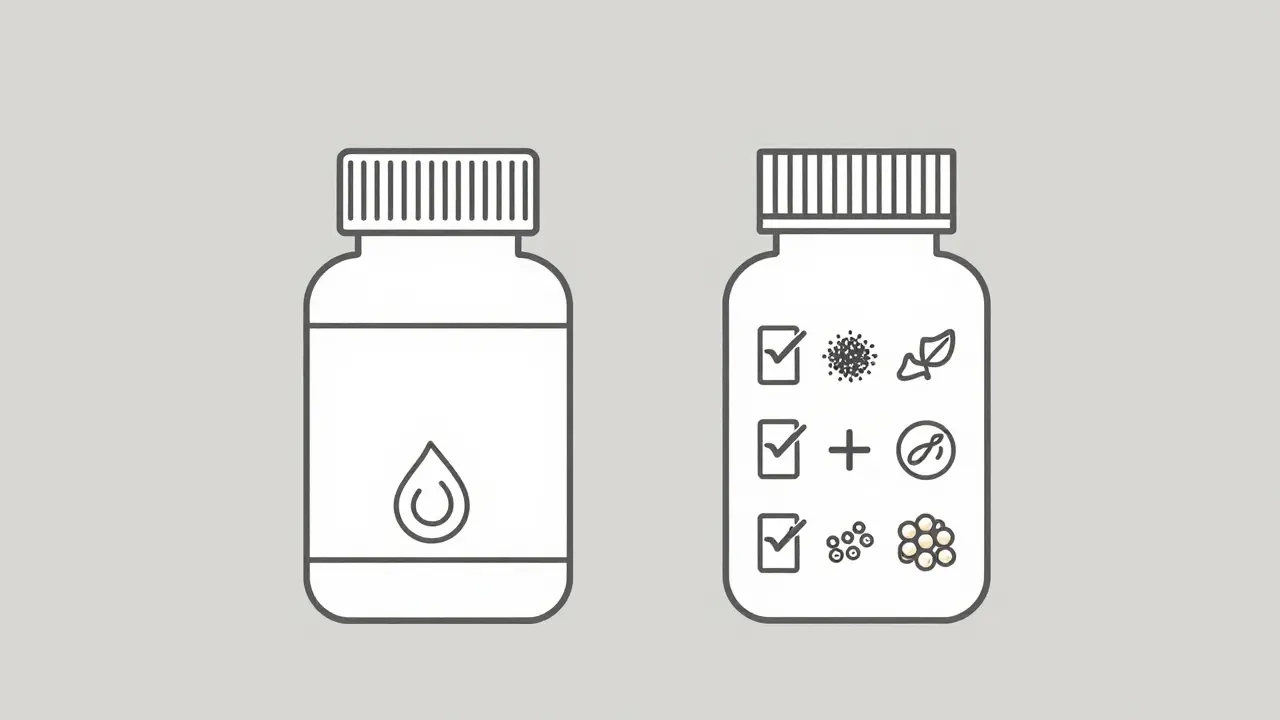
Here’s the scary part: a single medication can contain multiple allergens. Take Singulair®-the 10mg tablet has lactose, while the 4mg and 5mg versions don’t. Generic versions might use different fillers entirely. This inconsistency is why switching between brand and generic versions sometimes causes unexpected reactions.
Why Brand and Generic Versions Differ
Many assume brand and generic medications are identical. They’re not. The FDA requires generic drugs to match the active ingredient’s strength and effectiveness but doesn’t require the same inactive ingredients. Manufacturers choose fillers based on cost, availability, and formulation needs. For instance, a brand-name drug might use cornstarch as a filler, while its generic version uses lactose. This happens because:
- Generic manufacturers aren’t required to disclose all inactive ingredients on labels
- Regulations only force labeling for peanut oil; everything else is optional
- Different companies make the same generic drug, leading to inconsistent ingredients
Consider this real-world example: a patient with celiac disease was prescribed a generic antibiotic containing gluten. They had no idea until they developed severe stomach pain. The FDA’s own data shows 87% of pharmacists have encountered patients with concerns about inactive ingredient differences between brand and generic versions. This isn’t rare-it’s a systemic issue.
| Region | Labeling Requirements | Impact on Allergy Risk |
|---|---|---|
| United States | Only peanut oil must be labeled; other allergens like lactose or gluten are optional | Higher risk of hidden allergens; patients may not know what’s in their medication |
| European Union | Full disclosure of all excipients required since 2019 | 37% reduction in adverse reactions to inactive ingredients |
How to Check Your Medications for Allergens
Knowing what’s in your medication is half the battle. Here’s how to find out:
- Check OTC packaging: Over-the-counter drugs list inactive ingredients right on the label. Look for "Inactive Ingredients" or "Other Information" sections.
- Ask your pharmacist: They have access to detailed ingredient lists for prescription drugs. Pharmacists report that 94% of them routinely discuss inactive ingredients with patients who have allergies.
- Use the Inactive Ingredient Finder app: Developed by MIT researchers, this free tool scans over 98% of U.S. medications and shows exactly what fillers they contain. It launched in beta in January 2023 and is now used by thousands of patients.
- Read the patient information leaflet: Prescription drugs come with a leaflet detailing all ingredients. Keep it in your medication logbook.
For example, if you’re allergic to soy, check for "soybean oil" or "soy lecithin" in the ingredients. A 2022 study found that 12% of generic medications contain soy-based fillers, but this isn’t always obvious from the drug name.
Working With Your Pharmacist and Doctor
Your healthcare team is your best defense. Start by:
- Creating a detailed allergy list: Include food allergies, intolerances, and past reactions to medications. Note specific ingredients like "lactose" or "gluten" instead of vague terms like "dairy".
- Asking targeted questions: Instead of "Is this safe?" ask, "Does this contain lactose, gluten, or FD&C Yellow #5?" Pharmacists confirm this approach gets clearer answers.
- Requesting alternatives: If your current medication has a problematic filler, ask for a different formulation. For instance, liquid antibiotics often avoid gelatin capsules, and some generic versions use alternative fillers.
Dr. Robert Wood, a pediatric allergist at Johns Hopkins, says, "The biggest concern we see clinically is with lactose in medications for patients with severe milk protein allergy, particularly in children." He recommends always checking with your pharmacist before giving a new medication to a child. Similarly, the Celiac Disease Foundation reports that 78% of gluten-free certification programs now include medications, but only 15% of commonly prescribed drugs are covered. This means you can’t rely on certifications-you must verify each time.

What to Do If You Have a Reaction
If you suspect an allergic reaction to a medication:
- Stop taking it immediately: Don’t wait for symptoms to worsen.
- Contact your doctor: Describe the symptoms and the medication you took. They can report it to the FDA.
- Report to FDA MedWatch: This system tracks adverse reactions. Go to fda.gov/medwatch or call 1-800-FDA-1088. Your report helps improve safety for others.
- Keep a medication log: Record every drug you take, the brand/generic name, and any reactions. Share this with all your healthcare providers.
For example, a patient with a bisulfite allergy took a generic asthma inhaler and had severe wheezing. After reporting it, the FDA updated the drug’s label to include clearer warnings. This kind of reporting drives real change.
Frequently Asked Questions
Are generic medications safe for people with allergies?
Not always. While the active ingredient is the same, inactive ingredients can vary significantly between brand and generic versions. Always check the full ingredient list before taking a new medication.
How do I find out what inactive ingredients are in my medication?
For over-the-counter drugs, check the packaging. For prescriptions, ask your pharmacist or read the patient information leaflet. The MIT-developed Inactive Ingredient Finder app also scans U.S. medications for detailed ingredient lists.
Why do different versions of the same drug have different ingredients?
The FDA requires generic drugs to match the active ingredient but not the inactive ones. Manufacturers choose fillers based on cost and availability, leading to variations. For example, Singulair® 10mg contains lactose, while lower doses don’t-and generic versions may use completely different fillers.
What should I do if I experience an allergic reaction to a medication?
Stop taking it immediately, contact your doctor, and report the reaction to the FDA through MedWatch. Keep a detailed log of the medication and symptoms to share with your healthcare team.
Are there medications completely free of common allergens like lactose or gluten?
Yes, but they’re rare. Only 12% of generic medications currently offer allergen-free alternatives. Your pharmacist can help find these options or suggest alternative medications that avoid problematic fillers.
Comments
11 Comments
Jennifer Aronson
When I first learned about inactive ingredients in medications, I was shocked. Most people don't realize that generic drugs can have completely different fillers than the brand name versions. The FDA only requires the active ingredient to match, but the excipients can vary wildly. This is especially dangerous for people with allergies or intolerances. For example, lactose is in over 20% of prescription drugs, and gluten is found in some antibiotics. I had a friend who had a severe reaction because of a generic version that used a different filler. The EU has had full disclosure since 2019, which has reduced adverse reactions by 37%. The US lags behind, only requiring peanut oil to be labeled. This is a systemic issue that needs immediate attention. Patients need to be proactive and check with their pharmacists. The Inactive Ingredient Finder app is a great tool for this. We should push for better labeling regulations. It's not just about convenience-it's about safety. Many people suffer silently because they don't know what's in their meds. This is a critical public health issue that deserves more attention from regulators and the pharmaceutical industry.
Phoebe Norman
Excipients like lactose gluten and bisulfites are common in generics yet not labeled properly FDA regulations are inadequate leading to preventable reactions Patients need to be proactive checking with pharmacists
Kate Gile
It's really important for patients to ask their pharmacists about inactive ingredients. Many people don't realize that even small amounts of allergens can cause reactions. Taking a few minutes to check can prevent serious issues. Let's all advocate for better transparency in medication labeling.
Sam Salameh
While the EU has stricter rules, the US system is still top-notch. We just need to update our labeling practices to match. It's not rocket science to list all ingredients on the label. Patients deserve clear information on what's in their pills.
Johanna Pan
I agree with the EU's approach to labeling. It's definately the way to go. More transparency means safer medications for everyone. We should push for similar standards here in the US.
Dr. Sara Harowitz
Patients must be vigilant! Always ask for the full ingredient list! Pharmacists are obligated to provide this information! The FDA's current regulations are insufficient! We need stricter enforcement! This is critical for patient safety!
Nancy Maneely
The EU is way ahead of us on this! They've had full disclosure since 2019 and we're still lagging! This is embarassing! Why can't the US do better? It's not that hard to label everything!
Pamela Power
The FDA's lax regulations are a disgrace! They're putting lives at risk by allowing such negligence. This isn't just a 'minor issue'-it's a systemic failure that demands immediate overhaul. The pharmaceutical industry is laughing all the way to the bank while patients suffer.
Albert Lua
It's fascinating how different countries handle this. The EU's approach shows that regulation can work without stifling innovation. In the US, we need to learn from others and push for better labeling standards. It's all about patient safety.
anjar maike
EU labeling rules work 🌍
divya shetty
It's unacceptable that patients are left in the dark about what's in their medications. The FDA must enforce strict labeling requirements immediately. This is a matter of basic healthcare ethics and patient safety.
Write a comment