Calcium oxalate kidney stones are the most common type - and you can stop them before they start
If you’ve had a kidney stone before, you know the pain. But what most people don’t realize is that calcium oxalate stones make up 70-80% of all cases. And if you’ve had one, you have a 40-50% chance of getting another within five years. The good news? You can cut that risk in half - not with surgery, not with pills alone - but by changing how much you drink and what you eat.
You don’t need to cut out calcium. You don’t need to go on a starvation diet. You don’t even need to give up coffee. What you need is a clear, practical plan based on real science - not myths.
Drink enough water - but not just any water
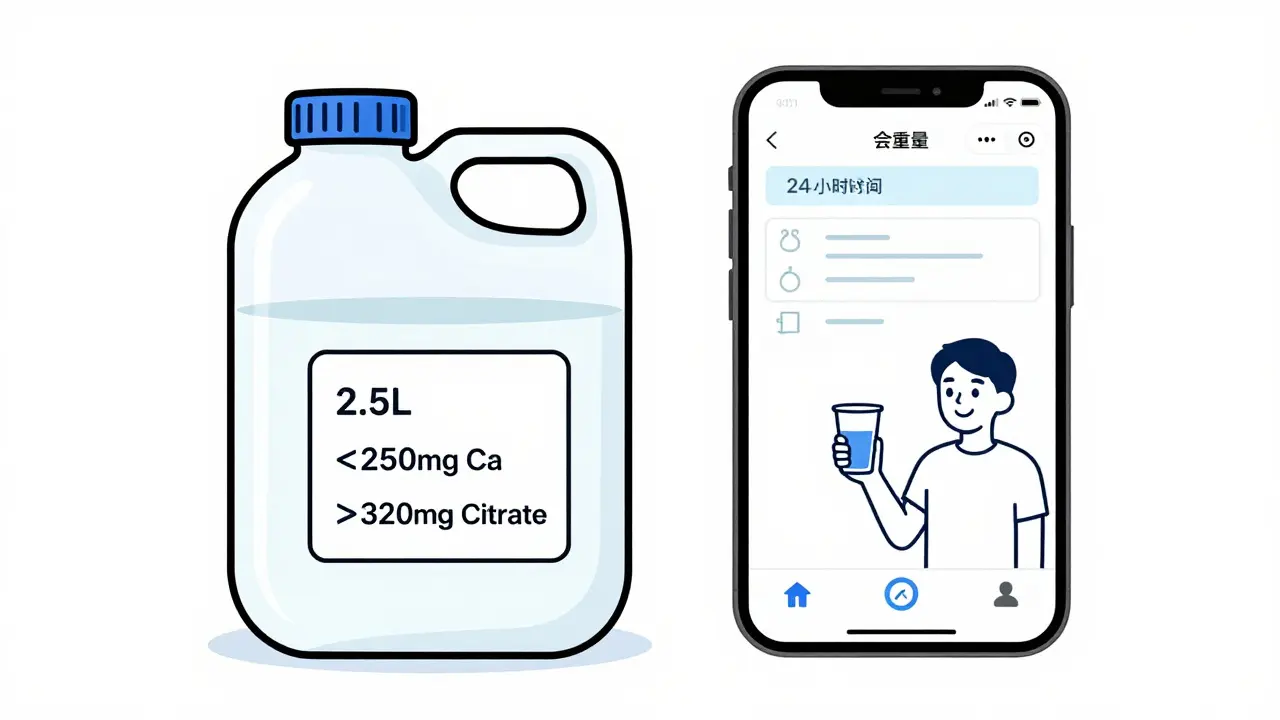
The single most effective thing you can do to prevent calcium oxalate stones is to produce at least 2.5 liters of urine every day. That’s not a suggestion. It’s a medical target backed by decades of research. People who hit this mark cut their stone recurrence risk by half compared to those producing less than 1 liter.
So how much fluid should you drink? Aim for 2.5 to 3 liters total per day. That includes water, tea, coffee, and even beer - yes, beer. Studies show moderate alcohol intake, especially beer, is linked to lower stone risk, likely because it increases urine output. But here’s the catch: you need to spread it out. Chugging two liters at dinner won’t help if you’re dry the rest of the day.
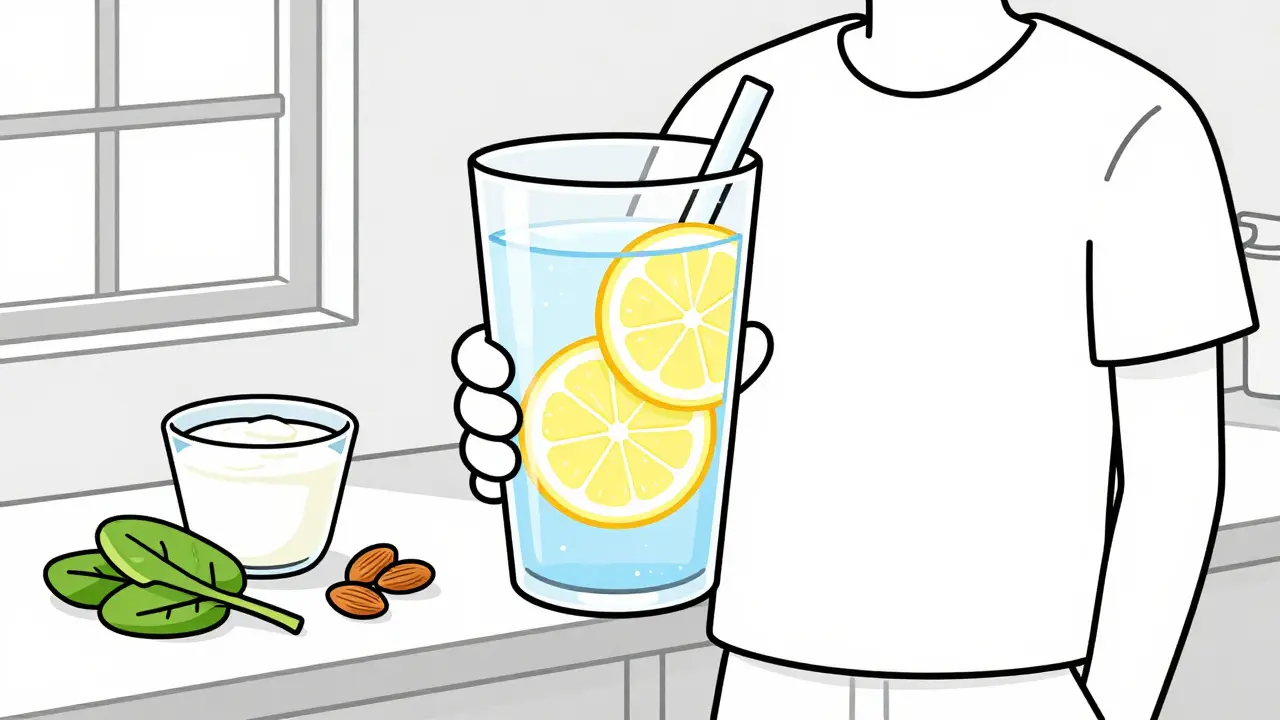
Water is still your best bet. Add fresh lemon juice to it. Half a cup of lemon juice concentrate diluted in water each day - roughly the juice of two lemons - boosts citrate in your urine by 120 mg or more. Citrate is a natural blocker that stops crystals from sticking together. The NHS in the UK specifically recommends this trick. Avoid grapefruit juice. It raises oxalate levels and increases stone risk.
And skip the fizzy drinks. Especially colas. They contain phosphoric acid, which can lower citrate and make your urine more acidic - a perfect storm for stones. If you’re craving something bubbly, try sparkling water with lemon.
Don’t cut out calcium - eat more of it with your meals
Here’s the biggest myth: calcium causes kidney stones. It doesn’t. In fact, not getting enough calcium makes stones more likely.
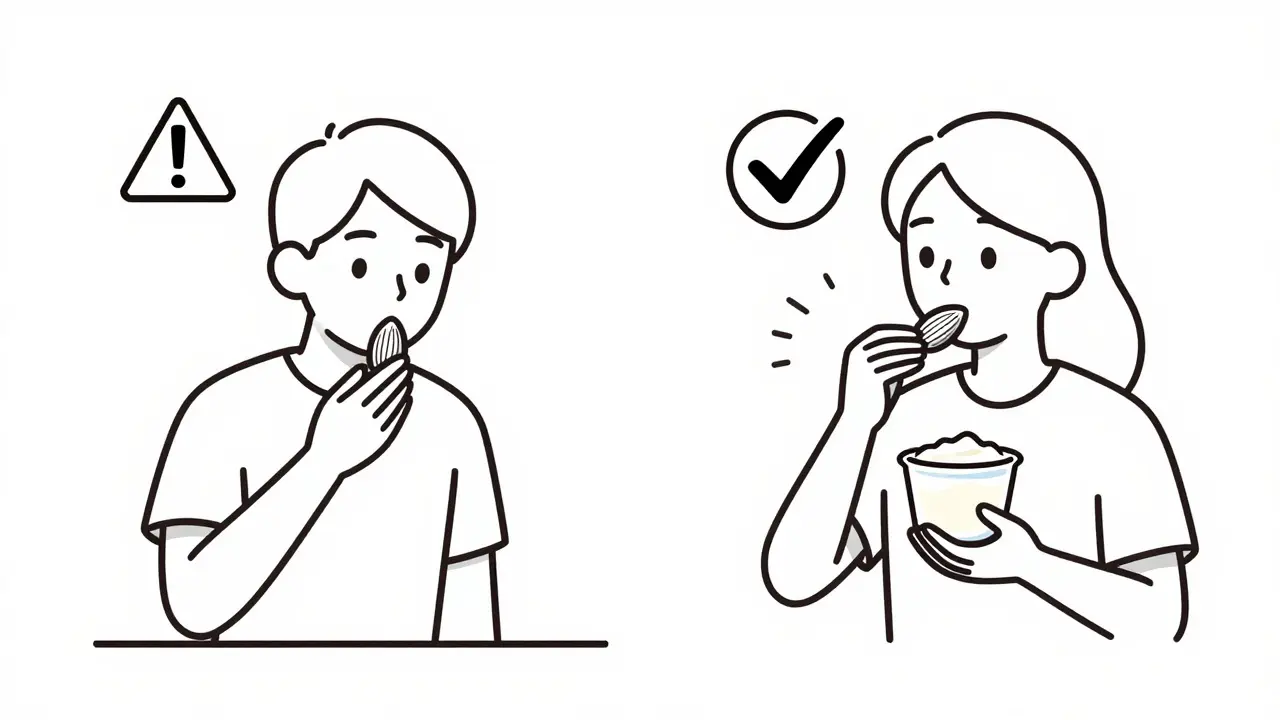
When you eat calcium-rich foods like milk, yogurt, or cheese at the same time as high-oxalate foods like spinach or almonds, the calcium binds to oxalate in your gut. That means less oxalate gets absorbed into your bloodstream - and less ends up in your urine, where it can form stones.
So eat your yogurt with your spinach salad. Have a slice of cheese with your almond snack. Aim for 1,000-1,200 mg of calcium daily from food, not supplements. That’s about 2-3 servings: one cup of milk, one cup of kefir, 3/4 cup of yogurt, or 1 ounce of cheese.
Calcium supplements? They’re risky. The 2012 Women’s Health Initiative study found that taking calcium pills without food raised stone risk by 20%. If you must take a supplement, choose calcium citrate - it’s better absorbed and adds citrate to your urine. Take it with meals, not alone.
Watch your sodium - it’s the silent stone-maker
High sodium doesn’t just raise blood pressure. It also makes your kidneys dump more calcium into your urine. Every extra 1,000 mg of sodium you eat leads to 25-30 mg more calcium in your urine. That’s a direct line to stone formation.
The goal? Keep sodium under 2,300 mg per day - ideally closer to 1,500 mg. That means cutting back on processed food, canned soups, deli meats, and restaurant meals. Read labels. A single serving of canned chili can have 800 mg. A bag of pretzels? 400 mg. You’re not avoiding salt - you’re avoiding hidden sodium.
When you lower sodium, your calcium levels in urine drop. That’s one of the most reliable ways to reduce stone risk - even more than cutting oxalate.
Manage oxalate - not by avoiding it, but by pairing it
Oxalate is found in many healthy foods: spinach, rhubarb, almonds, beets, sweet potatoes, navy beans, and tea. But you don’t need to eliminate them. You need to manage them.
Spinach has 755 mg of oxalate per half cup cooked. Almonds have 122 mg per ounce. That sounds scary - until you realize that eating them with calcium-rich foods cuts absorption by 40-50%. A study in Clinical Nutrition showed that eating calcium two hours before or after oxalate-rich foods made the binding much less effective.
So instead of avoiding spinach, eat it with yogurt or cheese. Have almonds with a glass of milk. Don’t drink tea on an empty stomach - have it after a meal. The key is timing, not total avoidance.
And don’t fall for the “low-oxalate diet” trap. The National Institute of Diabetes and Digestive and Kidney Diseases says strict oxalate restriction only helps people with rare genetic disorders. For most, eating 5+ servings of fruits and vegetables daily - even high-oxalate ones - is safer and more protective than cutting them out.
When medications help - and who needs them
Not everyone needs drugs. But if you’ve had multiple stones, or your 24-hour urine test shows specific imbalances, your doctor might recommend medication.
Thiazide diuretics - like hydrochlorothiazide or chlorthalidone - reduce calcium in urine by 30-50%. They’re used for people with high urinary calcium (over 250 mg/day). But they only work if you’re also low-sodium. Otherwise, they can backfire.
Potassium citrate is the go-to for low citrate levels (under 320 mg/day). It makes urine less acidic and stops crystals from forming. It’s preferred over sodium citrate because sodium adds more calcium to your urine.
Allopurinol helps if you’re excreting too much uric acid (over 550 mg/day). It cuts stone recurrence by 35% in those patients. But if your uric acid is normal, it won’t help - and it’s not worth the side effects.
These aren’t magic pills. They’re tools. They work best when paired with diet and hydration.
What to avoid - and what’s okay
Some things are clear-cut:
- Avoid: Grapefruit juice, fizzy drinks, excessive vitamin C (over 1,000 mg/day), and high-dose calcium supplements without food.
- Okay: Coffee (up to 2-3 cups/day), beer (in moderation), lemon water, and tea (with meals).
Animal protein? Don’t overdo it. More than 75g daily (about the size of two decks of cards) increases uric acid and lowers citrate. But you don’t need to go vegan. Just keep it balanced.
Vitamin C from food - oranges, bell peppers, broccoli - is fine. The problem is supplements. Doses over 1,000 mg can turn into oxalate in your body. Stick to food sources unless your doctor says otherwise.
Track your progress - and get tested
Most people guess what they’re doing wrong. The real answer? A 24-hour urine test.
This test measures your urine volume, calcium, oxalate, citrate, sodium, and uric acid over a full day. It tells you exactly what’s off. Without it, you’re shooting in the dark.
Target levels:
- Urine volume: >2.5 liters/day
- Calcium: <250 mg/day
- Oxalate: <40 mg/day
- Citrate: >320 mg/day
- Sodium: <200 mEq/day (about 4,600 mg)
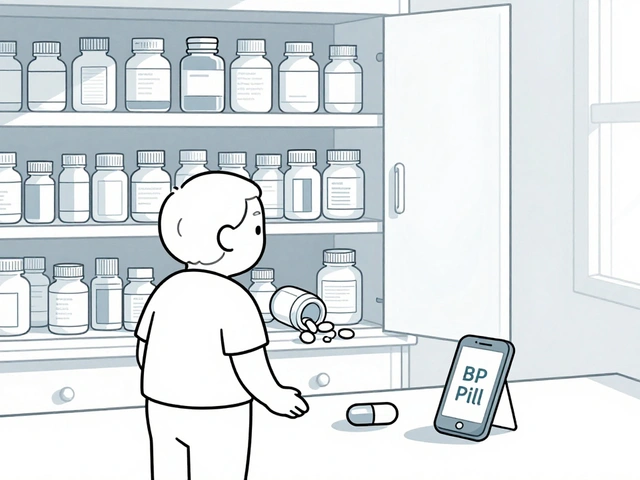
Adherence is the hardest part. One study found only 35% of patients kept up their fluid intake after a year. But those who used mobile apps to log their water intake? Adherence jumped to 68%. Use an app. Set reminders. Keep a jug of water on your desk. Make hydration a habit, not a chore.
What’s next? The future of stone prevention
Science is moving fast. Researchers are now studying gut bacteria like Oxalobacter formigenes - a microbe that eats oxalate in your intestines. Early trials show it can lower urinary oxalate by 30%. In the future, your stone risk might be predicted by your microbiome, not just your diet.
For now, stick to the basics: drink enough, eat calcium with your meals, cut sodium, and avoid grapefruit juice. You don’t need to be perfect. You just need to be consistent.
One person’s success story? A 52-year-old teacher from Bristol who had three stones in two years. She started drinking 3 liters of water daily, added lemon, ate yogurt with her almonds, and stopped eating processed snacks. Within six months, her urine citrate went up. Her calcium dropped. No more stones. Not one.
You can do the same.
Can I still drink coffee if I have kidney stones?
Yes. Multiple studies show coffee - even caffeinated - is linked to lower kidney stone risk. It increases urine output and may have mild citrate-boosting effects. Stick to 2-3 cups a day. Avoid adding sugar or creamers with high sodium.
Should I take calcium supplements to prevent kidney stones?
Only if you can’t get enough from food - and even then, choose calcium citrate, not calcium carbonate. Take it with meals. Calcium supplements taken alone, especially without food, can increase stone risk by 20%. Food-based calcium binds oxalate in your gut and reduces absorption.
Is it true that spinach causes kidney stones?
Not exactly. Spinach is high in oxalate, but eating it with calcium-rich foods (like yogurt or cheese) reduces the amount your body absorbs. Avoiding spinach entirely isn’t necessary for most people. The bigger issue is eating high-oxalate foods alone - without calcium. Pair them, don’t panic.
How much water should I drink to prevent kidney stones?
Aim for 2.5 to 3 liters of total fluid daily to produce at least 2.5 liters of urine. That’s roughly 10-12 cups. Spread it out - don’t chug it all at once. Your urine should be light yellow or clear. Dark yellow means you’re not drinking enough.
Does lemon juice really help prevent kidney stones?
Yes. Half a cup of lemon juice concentrate diluted in water daily boosts urine citrate by 120 mg or more. Citrate stops calcium and oxalate from forming crystals. The NHS and major urology guidelines recommend this. You can also squeeze fresh lemon into your water - it’s just as effective.
Can I eat nuts if I’m prone to kidney stones?
Yes - but pair them with calcium. Almonds are high in oxalate, but eating them with milk, yogurt, or cheese helps bind the oxalate in your gut so less gets absorbed. A small handful (1 ounce) with a glass of milk is fine. Avoid snacking on almonds alone, especially on an empty stomach.
Why is sodium so bad for kidney stones?
Sodium makes your kidneys release more calcium into your urine. Every extra 1,000 mg of sodium increases urinary calcium by 25-30 mg - a direct path to stone formation. Processed foods, canned soups, and restaurant meals are the biggest culprits. Cutting sodium is often more effective than cutting oxalate.
Do I need a 24-hour urine test to prevent kidney stones?
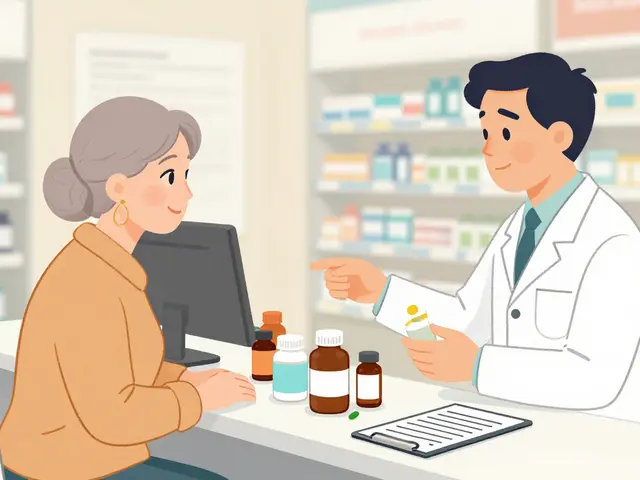
If you’ve had more than one stone, yes. This test shows exactly what’s in your urine - calcium, oxalate, citrate, sodium - and tells you which changes will help most. Guessing leads to wasted effort. Testing gives you a personalized plan. Most urologists recommend it after a first stone if you’re under 50 or have a family history.
Comments
9 Comments
Solomon Ahonsi
Wow, another wellness guru pretending they’re a nephrologist. I’ve had three stones and none of this worked. Just drink less and stop eating food. Done.
Also, beer? Really? My uncle drank a six-pack daily and still ended up on dialysis. Thanks for the advice, doctor.
George Firican
The science here is actually quite elegant when you strip away the fear-mongering and pseudoscientific buzzwords. The body doesn’t create stones because it’s ‘toxic’ or ‘imbalanced’ in some mystical way-it’s a matter of solubility, concentration, and crystallization kinetics. Citrate acts as a chelator, sodium drives calcium excretion, and oxalate absorption is modulated by gut calcium availability. What’s remarkable is how little we need to change: consistent hydration, calcium with meals, sodium reduction. It’s not a diet. It’s a biochemistry adjustment. And yet, we’re told to ‘detox’ or ‘alkalize’ or buy $80 supplements. The real miracle is that we’ve known this since the 1980s and still treat it like a lifestyle fad.
Matt W
This is actually the most helpful thing I’ve read on kidney stones. I thought I had to give up spinach and almonds forever. Turns out I just need to eat them with my yogurt. I’m already doing the lemon water thing-tastes like heaven and my urine doesn’t smell like regret anymore. 🙌
Anthony Massirman
Lemon water. That’s it. Just do it.
Gary Mitts
So if I drink beer and eat cheese with my spinach... I'm basically a kidney ninja? 😏
clarissa sulio
I’m from Texas and we don’t do ‘citrate’ here. We do whiskey and grits. If your kidneys can’t handle that, maybe you’re just weak. This article is for people who think kale is a spice.
Bridget Molokomme
I love how this article says 'don't cut out calcium' and then spends 3 paragraphs explaining why calcium supplements are bad. So... eat cheese, don't take pills. Got it. Also, why is grapefruit juice the villain but orange juice is fine? Because science? Or because someone at the NHS got paid to hate grapefruit?
Vatsal Srivastava
2.5L urine? That’s a lot. In India we drink chai all day and still don’t produce that much. You’re telling me we’re all walking kidney stone factories? And beer helps? That’s why my uncle lives to 90. He drinks 3 beers and 5 cups of tea daily. Your ‘science’ is just Western privilege dressed up as medicine.
Brittany Marioni
I just want to say-thank you-for not saying ‘just drink more water’ and leaving it at that. So many articles do that. You actually explained the WHY behind the what. And the part about sodium being worse than oxalate? Mind blown. I’ve been reading labels like a detective since I read this. Also-lemon juice in water-is life-changing. I’m not a health nut, but I’m now the person who brings a giant thermos of lemon water to the office. I’m weird. But my kidneys thank me.
Write a comment