

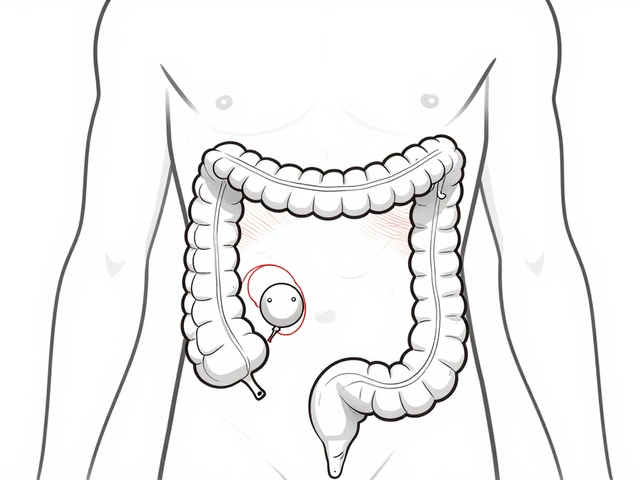
You are likely taking a proton pump inhibitor, or PPI, because your doctor told you it was the safest way to handle heartburn. But what if that "safe" label is hiding a ticking time bomb? For millions of people, these pills have become a daily habit, taken without a second thought for years. Yet, recent data suggests that up to 70% of patients are using them without a clear clinical need. If you have been popping omeprazole or esomeprazole every morning for more than a few months, you might be exposing yourself to risks that range from bone fractures to serious mineral deficiencies. The real question isn't just whether these drugs work-they do-but when you should actually stop.
The Reality of Overuse
To understand the risk, we first need to look at how widespread this issue has become. Omeprazole, the original drug in this class approved in 1989, started a trend that has only accelerated. Today, approximately 15 million Americans use prescription PPIs chronically, while another 7 million rely on over-the-counter versions beyond recommended limits. This surge isn't accidental; it's driven by defensive medicine, patient demand, and the perception that suppressing acid is always better than feeling pain. However, the American College of Gastroenterology (ACG) notes that many prescriptions are inappropriate, particularly for simple dyspepsia where no structural damage exists. When you treat a symptom without fixing the underlying cause, you create a dependency loop that complicates future treatment options.
How These Drugs Actually Work
Proton pump inhibitors work by irreversibly blocking the H+/K+ ATPase enzyme system in stomach parietal cells, effectively shutting down the final step of acid production. This mechanism makes them incredibly potent, with efficacy rates exceeding 90% for healing erosive esophagitis. Because they target the source rather than neutralizing existing acid like antacids, they take 1 to 4 days to reach full therapeutic effect. This is why they are typically taken 30 to 60 minutes before meals, allowing the drug to activate in the acidic environment of the stomach. Common brands include Nexium (esomeprazole), Prilosec (omeprazole), and Prevacid (lansoprazole). While highly effective, their potency is exactly what makes long-term use risky. By keeping stomach pH levels high for extended periods, you alter the digestive landscape in ways that affect nutrient absorption and bacterial balance.
Confirmed Long-Term Risks
While some scary headlines link PPIs to dementia or heart attacks, the evidence there is mixed due to confounding factors in observational studies. However, several risks have strong statistical backing and FDA-mandated warnings. Understanding these specific dangers helps you weigh the benefits against the costs of continued use.
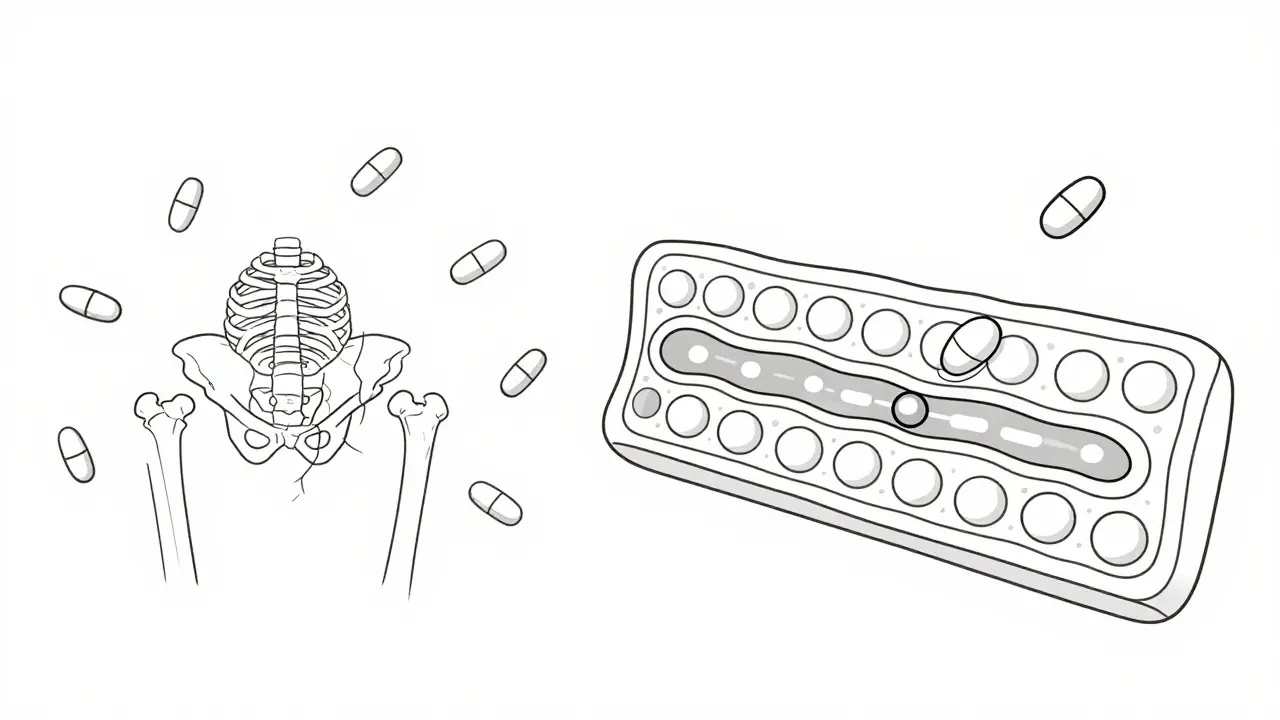
- Bone Fractures: A 2017 study showed an adjusted hazard ratio of 1.42 for hip fractures after four years of use. This risk appears reversible; those who stopped the medication more than two years prior saw their risk drop back to normal levels.
- Magnesium Deficiency: Occurring in about 0.5-1% of long-term users, hypomagnesemia can lead to muscle cramps, weakness, and dangerous heart arrhythmias. The FDA updated its warning in 2022 to require monitoring for patients on therapy for over a year.
- Vitamin B12 Absorption: Acid is necessary to release B12 from food proteins. After two years of continuous use, 10-15% of users may develop deficiency, leading to fatigue and neurological issues.
- C. Difficile Infection: Reduced stomach acid allows bacteria to survive the journey to the intestines. Studies cite a 1.7 to 2.0 fold increased risk of this severe infection, particularly in hospitalized patients.
When It’s Time to Reassess Your Need
Most guidelines recommend using PPIs at the lowest effective dose for the shortest duration possible. If you find yourself needing daily doses for uncomplicated GERD for more than 4 to 8 weeks, it is time to talk to your provider. Lifestyle modifications, such as weight management, dietary changes, and elevating the head of the bed, often resolve symptoms without pharmaceutical intervention. Dr. William Ravich of Yale Medicine points out that for severe esophagitis, antacids alone aren't enough, but for mild cases, intermittent dosing or switching to an H2 blocker like famotidine might suffice. The goal is to identify if your condition truly requires constant suppression or if you are simply managing a chronic irritant that can be controlled through behavior changes.
Stopping Without the Rebound Effect
One of the biggest barriers to quitting is rebound acid hypersecretion. Approximately 40-80% of patients experience a surge in acid production when they stop abruptly after prolonged use. This happens because the body compensates for the blocked pumps by producing more gastrin, which stimulates even more acid once the block is removed. To avoid this, you need a structured tapering approach. Start by reducing your dose by 50% every one to two weeks. Once you are on a lower dose, switch to on-demand usage-taking the pill only when symptoms appear. This gradual withdrawal allows your stomach lining to adjust naturally. Many providers suggest "drug holidays" every 6 to 12 months for those who must stay on the medication, providing a window to assess if the condition has improved enough to discontinue therapy entirely.
| Medication Class | Onset of Action | Duration of Effect | Best For | Long-Term Safety Profile |
|---|---|---|---|---|
| PPIs (e.g., Omeprazole) | 1-4 days | 24 hours+ | Severe GERD, Esophagitis | Risks of fractures, mineral loss |
| H2 Blockers (e.g., Famotidine) | 1 hour | 10-12 hours | Mild-Moderate Reflux | Generally safer for longer use |
| Antacids (e.g., Tums) | Immediate | 1-2 hours | Occasional Heartburn | Safe for short bursts |
Navigating the Transition Period
If you decide to taper off, expect a period of adjustment. Keep a symptom diary to track triggers like spicy foods, caffeine, or late-night eating. This data will help you distinguish between true acid reflux and other discomforts. If symptoms return, don't immediately jump back to your previous high dose. Instead, try an H2 blocker first, as it has a faster onset and fewer long-term metabolic risks. Only return to a PPI if the milder options fail. Remember, the objective is not necessarily to never take a PPI again, but to ensure that when you do, it is a calculated decision based on current medical necessity rather than habit.
Frequently Asked Questions
Can I stop taking my PPI cold turkey?
It is generally not recommended to stop abruptly after long-term use. Doing so can trigger rebound acid hypersecretion, causing severe heartburn and nausea. A gradual taper over several weeks is the safer standard of care.
Do PPIs really cause kidney disease?
The evidence is mixed. While early studies suggested a link to acute interstitial nephritis, higher-quality data has not consistently confirmed a direct causal relationship with chronic kidney disease. However, regular monitoring is advised for long-term users.
Is it safe to take OTC PPIs every day?
No. FDA labeling instructs patients to limit over-the-counter PPI use to a 14-day course, no more frequently than every three months. Daily use without medical supervision increases the risk of adverse effects and masks underlying conditions.
What is the difference between a PPI and an H2 blocker?
PPIs block the final stage of acid production and last longer, making them stronger for severe cases. H2 blockers reduce acid production by blocking histamine receptors and act faster, making them suitable for mild, intermittent symptoms with fewer long-term metabolic concerns.
How long does it take for PPI side effects to reverse?
Many side effects, such as fracture risk and magnesium levels, begin to normalize within months of discontinuation. Vitamin B12 levels may take longer to recover depending on severity. Consistent follow-up blood work can help track your recovery progress.