

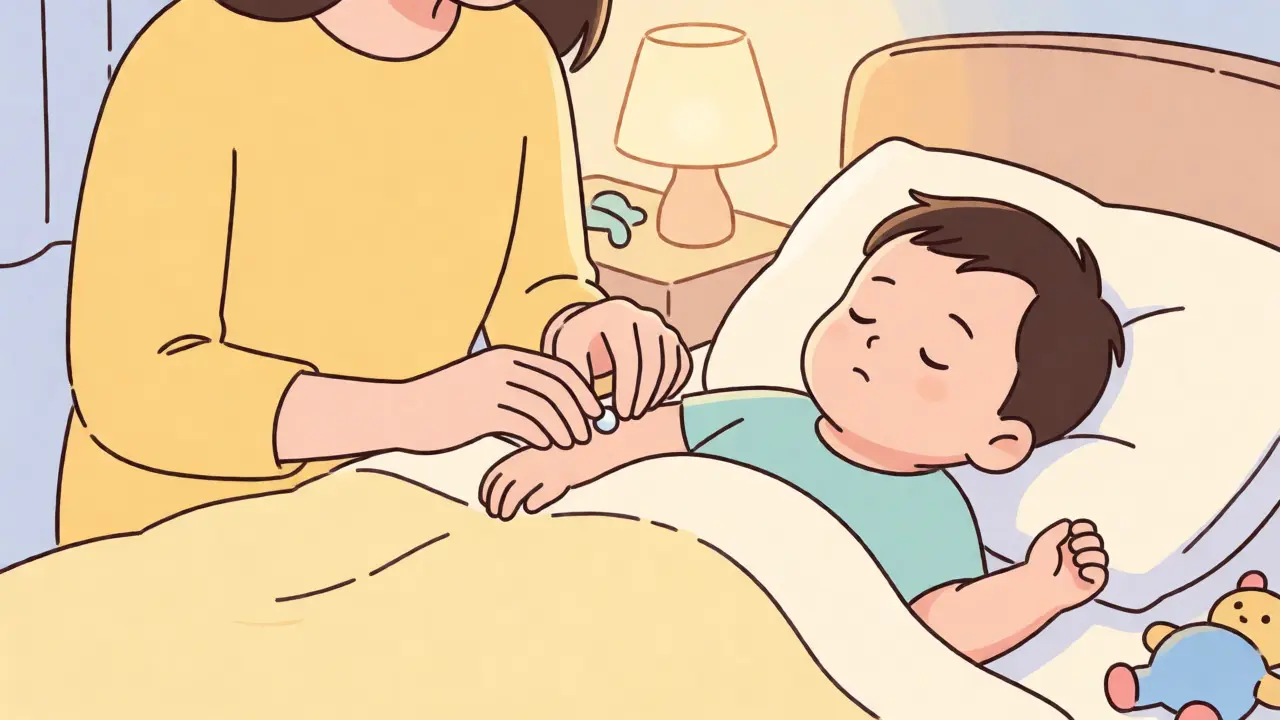
You’re soothing your toddler’s rash at bedtime. You squeeze a generous dollop of cream onto their arm, thinking it’ll help them sleep through the itch. But did you know that applying too much topical medication can actually harm your child more than help? It sounds counterintuitive because we often think "more is better," but when it comes to topical medications for children under five, the rules are drastically different from adults.
Children aren’t just small adults. Their skin is thinner, their body surface area relative to weight is higher, and their organs are still developing. This means they absorb medicines through their skin three to five times faster than you do. A study by the American Academy of Pediatrics found that mistakes with these creams lead to about 6,500 emergency room visits every year for little ones. That’s not a statistic to ignore. Whether it’s a steroid for eczema or a numbing gel for teething, getting the dose right matters as much as picking the right product.
Why Kids Absorb More Medicine Through Skin
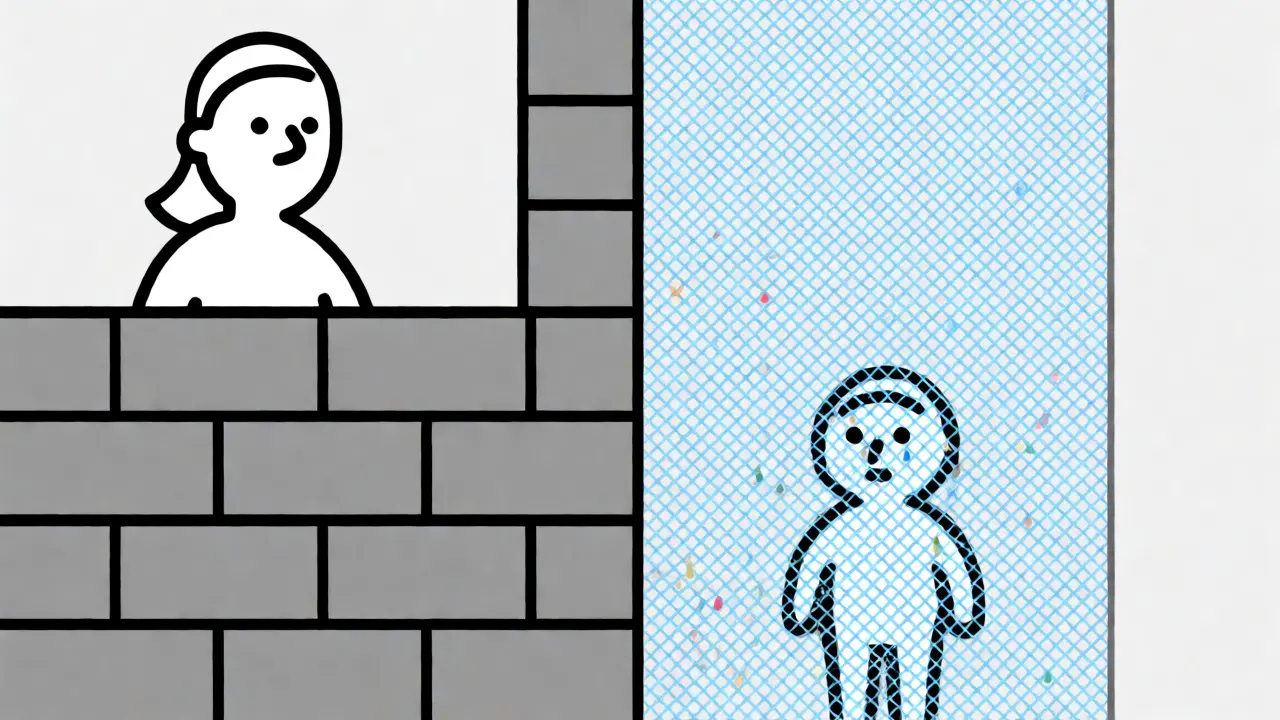
Think of adult skin like a thick brick wall. It keeps things out. A baby’s skin, especially if they’re under one year old, is more like a thin screen door. Things get through easily. The outer layer, called the stratum corneum, isn’t fully mature yet. This immaturity makes infants particularly vulnerable to systemic absorption, where the medicine enters the bloodstream instead of staying on the skin.
This risk spikes when the skin is broken or inflamed. If your child has an open scratch or severe eczema, the barrier is compromised. For example, lidocaine, a common numbing agent, has an absorption rate of only 3% on intact skin. But on damaged skin, that number jumps to 60%. Imagine putting a band-aid on a cut versus smearing cream on a raw patch-the difference in how much drug gets into the blood is massive. Applying occlusive dressings like plastic wrap over a cream can increase absorption by another 300-500%, turning a mild treatment into a potential overdose situation.
The Danger Zone: Teething Gels and Anesthetics
If you’ve ever bought a teething gel, you’ve likely seen benzocaine on the label. For years, parents trusted it to soothe sore gums. Then, in 2018, the FDA issued a stark warning: stop using benzocaine products for children under two. Why? Because it can cause a rare but serious condition called methemoglobinemia. This alters the hemoglobin in red blood cells so it can’t carry oxygen effectively. In severe cases, a child’s skin turns blue-gray, and oxygen saturation can drop to 70-80% within minutes.
Since 2006, there have been over 400 documented cases of this in children. Contrast that with non-drug options like chilled rubber teethers, which have zero reported serious side effects. The risk-benefit ratio here is clear. While some hospitals still use specific protocols for procedural pain (like before a vaccine), routine home use of benzocaine or dibucaine gels is generally discouraged for toddlers. The Consumer Product Safety Commission even mandates child-resistant packaging for products with more than 0.5 mg of these anesthetics because accidental ingestion by curious toddlers has led to fatalities.
Corticosteroids: The Right Potency Matters
Topical corticosteroids are the gold standard for treating eczema and dermatitis. But they come in a hierarchy of potency, from Class I (very potent) to Class VII (least potent). Using a high-potency steroid on a young child’s face or large body areas can suppress the hypothalamic-pituitary-adrenal (HPA) axis. This system controls stress hormones, and suppressing it can stunt growth or cause other hormonal imbalances.
A 2022 review of over 12,000 patients showed that very potent steroids caused HPA axis suppression in nearly 16% of children, compared to just 2.3% for low-potency ones. Dr. Charles Andres from Mayo Clinic notes that parents often apply thick layers, unaware that covering 20% of an infant’s body with hydrocortisone can mimic the effect of oral prednisone. The rule of thumb? Use the lowest effective potency for the shortest duration. For facial lesions in babies over three months, newer guidelines suggest calcineurin inhibitors like pimecrolimus as a first-line alternative, as they carry a 92% lower risk of hormonal suppression.
| Medication Type | Main Risk | Absorption Rate (Intact vs Damaged) | Age Restriction |
|---|---|---|---|
| Benzocaine Gel | Methemoglobinemia (oxygen issue) | High variability | Avoid under 2 years |
| Lidocaine Cream | Seizures, toxicity | 3% vs 60% | Max 3 applications/day |
| Potent Steroids | HPA Axis Suppression | 10-20% with occlusion | Caution under 2 years |
| Hydrocortisone (Low) | Skin thinning (long-term) | <1% | Generally safe |
Mastering the Fingertip Unit Method
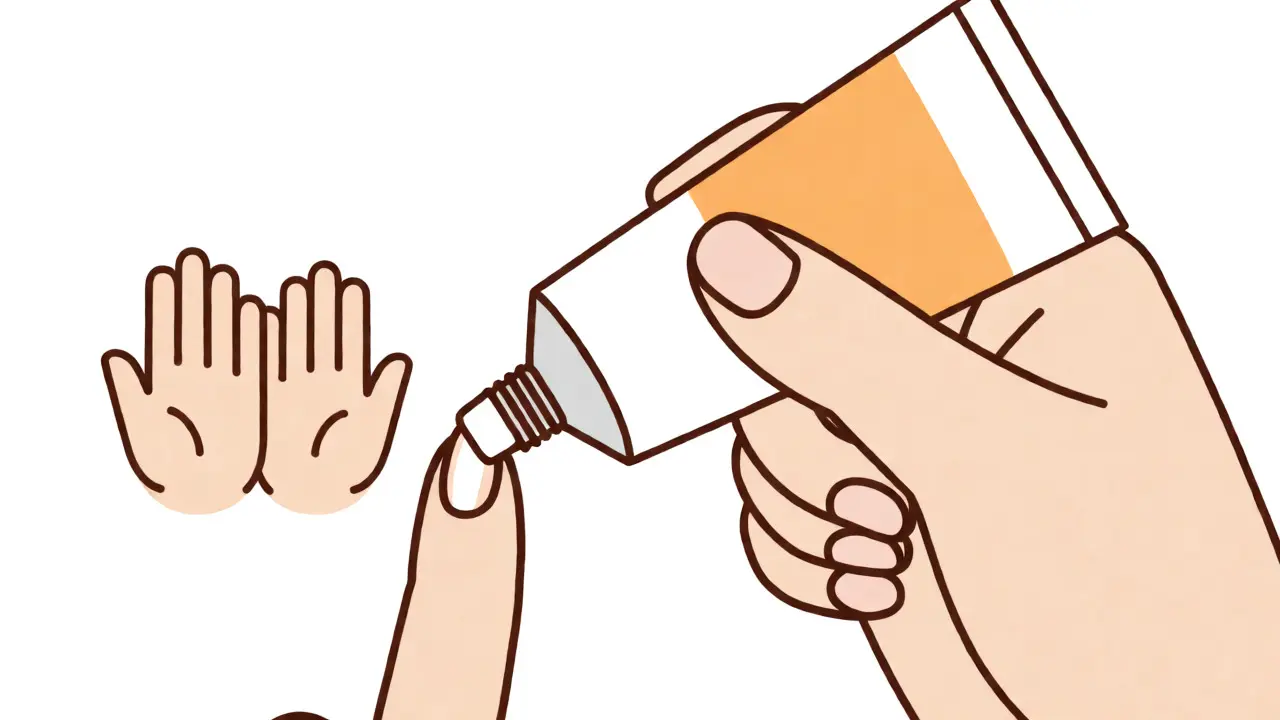
How much cream should you actually use? "A pea-sized amount" is vague and often leads to under-dosing or over-dosing depending on the tube size. Dermatologists recommend the Fingertip Unit (FTU) method. One FTU is the amount of ointment squeezed from a standard tube nozzle to cover the distal segment of an adult index finger. This equals approximately 0.5 grams.
One FTU covers an area roughly equivalent to two adult palms. For a 10kg child, the maximum daily dose of corticosteroid should not exceed 2 grams total, and you shouldn’t treat more than 10% of their body surface area at once. This precision prevents accidental overdose. If you’re treating a widespread rash, calculate the FTUs needed rather than eyeballing it. Remember, rubbing it in thoroughly helps distribution, but don’t pile it on thickly expecting extra relief-it just increases absorption risks.
Storage and Accidental Ingestion
Here’s a scary fact: 78% of pediatric exposures to topical meds happen because a parent left the tube out after using it. Toddlers are explorers. They taste everything. Even if the cream is meant for the skin, swallowing it can be dangerous. The CPSC requires child-resistant caps for many anesthetics, but compliance with OTC products varies. Always return the cap immediately after application. Don’t leave the tube on the changing table while you grab a diaper.
Also, watch out for "prescription sharing." Nearly 20% of households share leftover creams among siblings or relatives. A cream prescribed for an older sibling’s stubborn eczema might be too strong for a younger baby. Always check the age limits on the box. If the label says "for external use only" and doesn’t specify pediatric dosing, ask your pharmacist before using it on a child.
When to Seek Emergency Help
Most minor reactions resolve on their own, but some signs require immediate attention. If your child becomes unusually drowsy, has trouble breathing, or their lips/fingernails turn blue or gray after using a numbing gel, go to the ER. These are signs of systemic toxicity or methemoglobinemia. For steroid misuse, long-term symptoms like poor growth or easy bruising warrant a doctor’s visit, but acute emergencies are less common unless huge amounts were ingested.
Keep the Poison Control number handy. In the UK, NHS 111 is a great resource for quick advice. Having the actual tube or box nearby helps medical professionals identify the exact concentration and ingredients quickly. Don’t guess-show them what was used.
Can I use adult hydrocortisone cream on my baby?
Yes, typically 1% hydrocortisone is considered safe for infants and children for short periods. However, always confirm with your pediatrician first, especially if the baby is under six months old. Avoid using stronger prescription steroids unless specifically directed by a doctor.
Why did the FDA warn against benzocaine teething gels?
The FDA warns against benzocaine for children under two because it can cause methemoglobinemia, a condition where the blood cannot carry enough oxygen. This can lead to serious health issues or death. Safer alternatives include chilled rubber teethers or gentle gum massage.
What is a fingertip unit and why does it matter?
A fingertip unit (FTU) is the amount of cream squeezed from a tube to cover the tip of an adult's index finger (approx. 0.5g). It provides a standardized way to measure dosage, ensuring you don't apply too much medication, which could lead to systemic side effects in children who absorb drugs more readily than adults.
Is it safe to put plastic wrap over a cream for eczema?
Occlusion (covering with plastic wrap) significantly increases absorption, sometimes by up to 500%. While this can boost effectiveness, it also raises the risk of side effects like skin thinning or hormonal suppression. Only use occlusion if explicitly advised by your doctor, and never on the face or groin area without guidance.
How long can I use topical steroids on my child?
Duration depends on potency. Low-potency steroids like hydrocortisone can often be used for weeks, while high-potency steroids should usually be limited to 1-2 weeks of continuous use. Follow the "lowest effective dose for shortest time" principle to minimize risks like HPA axis suppression.