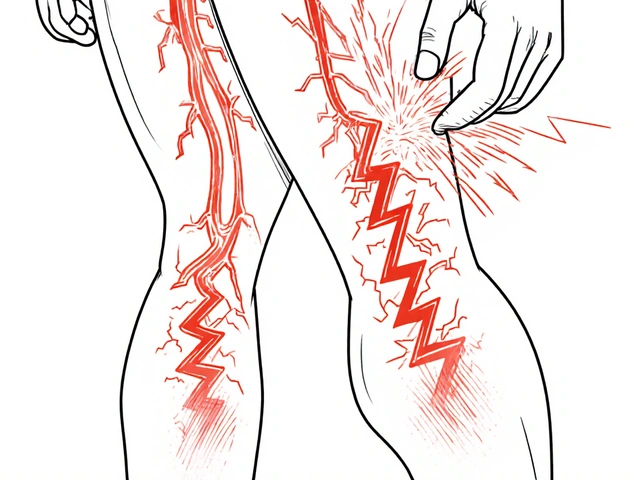

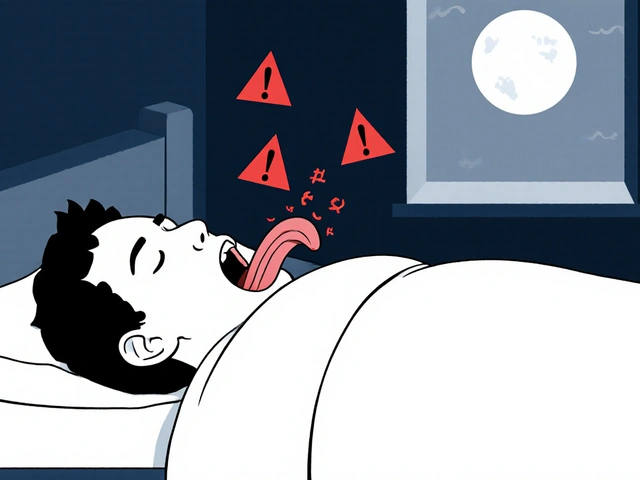
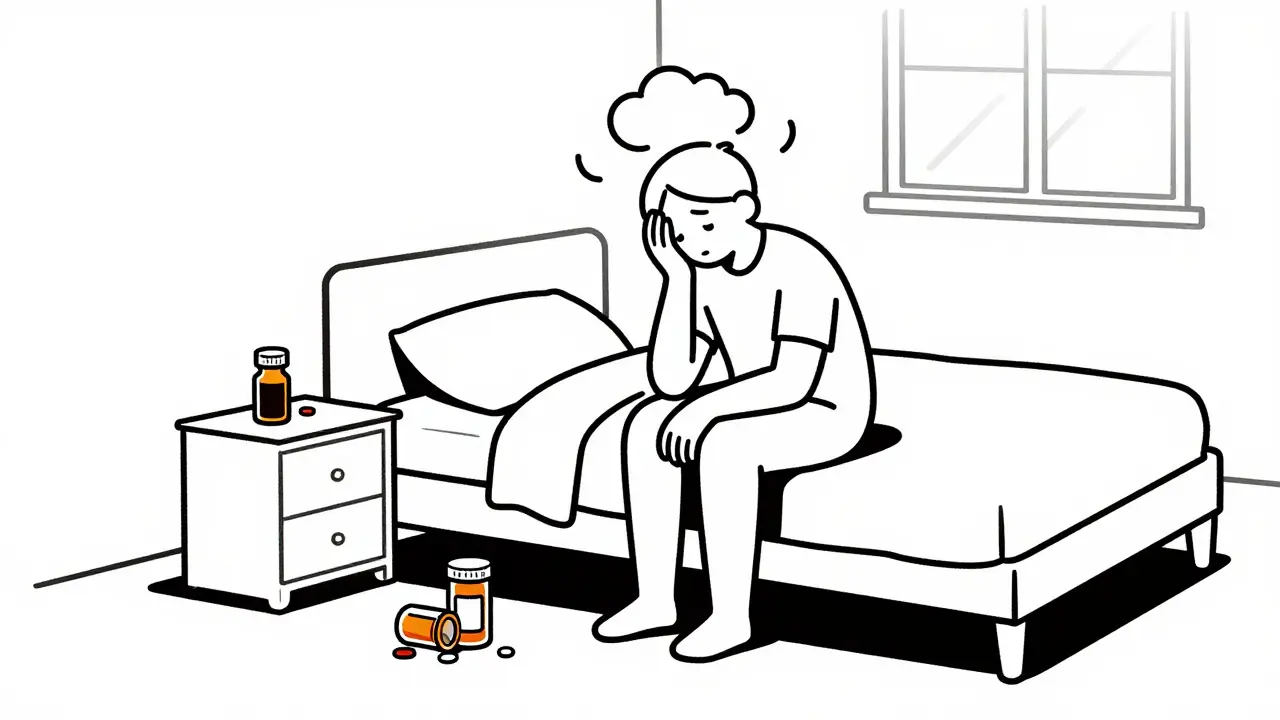
Imagine waking up in the morning feeling like you’ve been hit by a truck. Your head is foggy, your hands are shaky, and you can’t remember what you ate for dinner. For millions of people, this isn’t a hangover from a night out-it’s the "hangover" effect of prescription sleep medications. We have become a society that reaches for a pill to fix our nights, but often at the cost of our days.
Sleep drugs, medically known as hypnotics, are designed to treat insomnia by depressing the central nervous system. They work fast, which is why they feel so effective. But that speed comes with a hidden price tag: tolerance, dependence, and sometimes dangerous side effects. If you are taking sleeping pills or considering them, you need to understand not just how they help you fall asleep, but what they might be doing to your long-term health.
The Landscape of Sleep Drugs: What Are You Actually Taking?
Not all sleep meds are created equal. They fall into distinct chemical families, each with its own mechanism, cost, and risk profile. Understanding these categories is the first step in making an informed choice about your health.
| Class | Common Examples | Typical Monthly Cost (USD) | Key Risk Profile |
|---|---|---|---|
| Benzodiazepines | Alprazolam, Diazepam, Clonazepam | $4 - $50 | High dependence risk (up to 33% after 6 weeks); significant cognitive impairment. |
| Z-Drugs (Non-Benzos) | Zolpidem (Ambien), Eszopiclone (Lunesta) | $10 - $100 | Complex sleep behaviors (sleep-driving); residual next-day drowsiness. |
| Sedating Antidepressants | Trazodone, Doxepin (Silenor) | $4 - $400 | Priapism (Trazodone); cardiac risks at high doses; dry mouth. |
| OTC Antihistamines | Diphenhydramine (Benadryl), Doxylamine (Unisom) | $4 - $15 | Anticholinergic effects; linked to increased dementia risk with long-term use. |
| Orexin Receptor Antagonists | Daridorexant (Quviviq) | $300+ | Newer class; lower next-day impairment than Z-drugs, but expensive. |
Benzodiazepines, introduced in the 1970s, enhance GABA neurotransmission to calm the brain. While cheap and widely available, they carry a heavy baggage of addiction potential. According to research published in the *Addiction* journal, up to one-third of users develop dependence after just four to six weeks of regular use. They are generally considered outdated for pure insomnia treatment today.
Enter the Z-Drugs, such as zolpidem (Ambien) and eszopiclone (Lunesta). Marketed as safer alternatives because they target specific GABA receptor subtypes, they were approved between 1992 and 2004. However, "safer" is relative. A meta-analysis in *Sleep Medicine Reviews* found that while Z-drugs offer slightly better sleep maintenance than benzodiazepines, their efficacy drops off sharply after four weeks. More alarmingly, the FDA issued a boxed warning for Ambien in 2019 regarding complex sleep behaviors. This includes sleepwalking, sleep-eating, and even sleep-driving. The risk affects about 0.5% of users, but the consequences can be fatal.
Then there are the over-the-counter options. Many people reach for Diphenhydramine (Benadryl) thinking it’s harmless because it doesn’t require a prescription. It is not. A study in *JAMA Internal Medicine* linked prolonged use of anticholinergic drugs like diphenhydramine to a 54% increased risk of dementia. If you are over 60, the American Geriatrics Society’s Beers Criteria strongly advises against using these drugs due to a 50-60% increased risk of falls and fractures.
The Hidden Costs: Side Effects and Dependence
We often focus on whether a drug helps us fall asleep, ignoring what happens when we wake up. The "morning after" effect is real and pervasive. Research indicates that approximately 31% of users experience next-day drowsiness, while 24% report dizziness. Dr. Andrew Varga from Mount Sinai notes that the cognitive impairment from these residual effects can be equivalent to a blood alcohol concentration of 0.05-0.08%. That means you could legally fail a breathalyzer test just from taking your nightly sleeping pill.
Dependence is the silent killer of sleep medication success. It works through a cycle called rebound insomnia. When you stop taking the medication after regular use, your brain-which has downregulated its natural sleep mechanisms-struggles to function without the chemical aid. Dr. Nitun Kapoor, founder of Open Sleep, explains that patients often find their sleep worsens temporarily when they quit, reinforcing the belief that they "need" the drug forever. This psychological trap keeps millions hooked on Schedule IV controlled substances.
For older adults, the stakes are even higher. Data shows that 13.2% of adults aged 80 and over use prescription sleep medications. Yet, the physiological changes in aging make drug metabolism slower, leading to higher concentrations of the drug in the body. This increases the likelihood of confusion, memory loss, and catastrophic falls. The Beers Criteria lists 12 sleep medications as potentially inappropriate for seniors precisely because the risks outweigh the benefits.
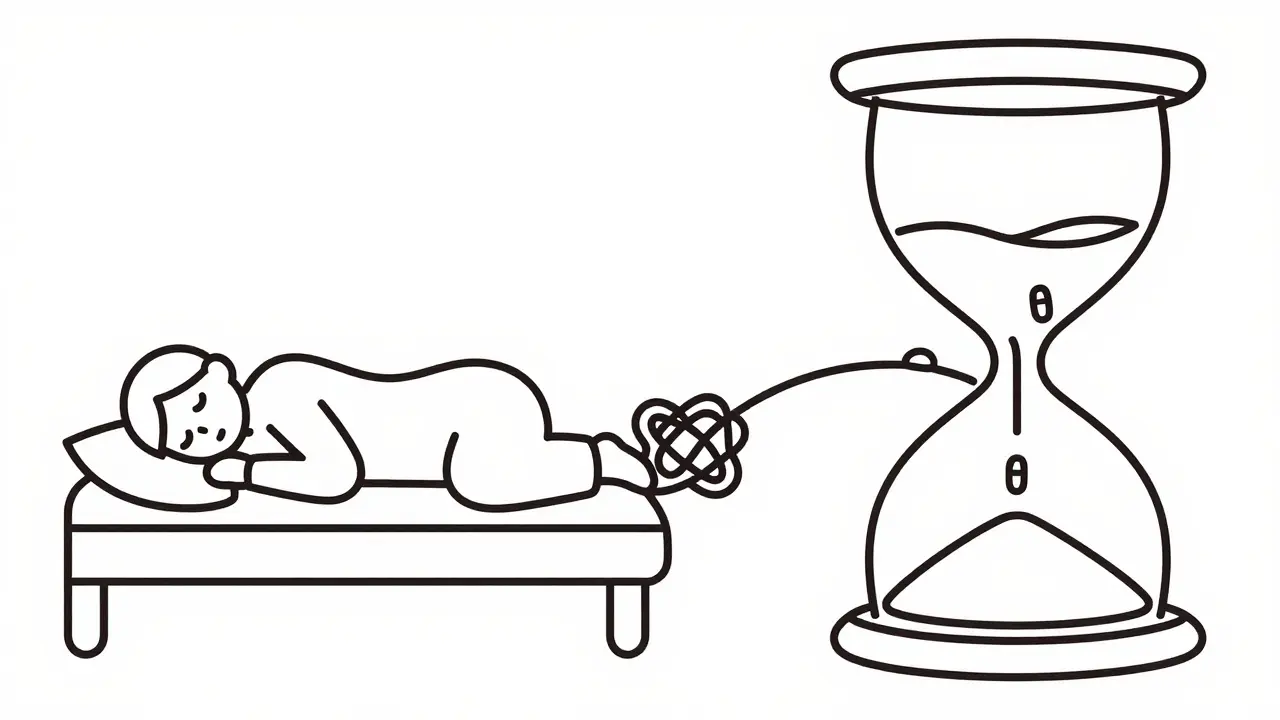
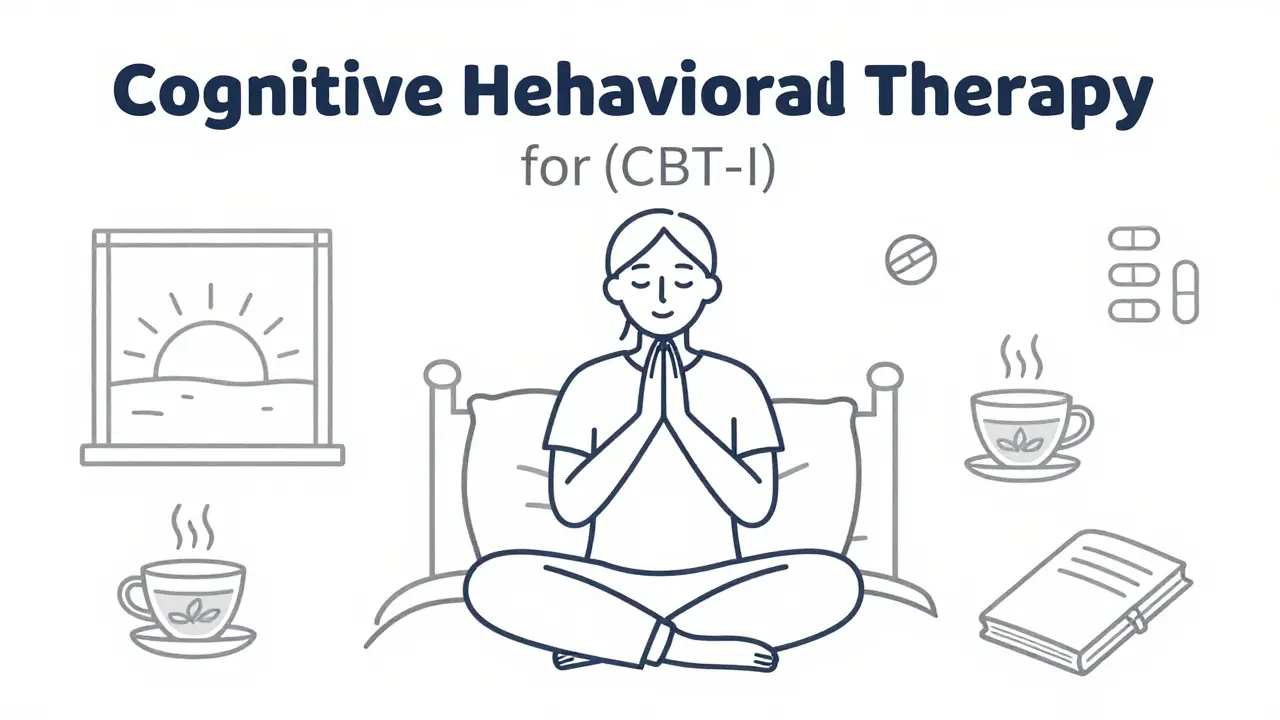
Cognitive Behavioral Therapy for Insomnia (CBT-I): The Gold Standard
If pills are the band-aid, what is the cure? The answer is Cognitive Behavioral Therapy for Insomnia, or CBT-I. The American Academy of Sleep Medicine recommends CBT-I as the first-line treatment for chronic insomnia, citing superior long-term outcomes without pharmacological risks.
CBT-I is not just "talking about your problems." It is a structured program that addresses the thoughts and behaviors that perpetuate sleeplessness. It typically involves:
- Sleep Restriction: Limiting time in bed to match actual sleep time to build sleep drive.
- Stimulus Control: Reassociating the bed with sleep only (no phones, no TV).
- Cognitive Restructuring: Challenging anxious thoughts about not sleeping.
- Relaxation Techniques: Reducing physiological arousal before bed.
The evidence is robust. Dr. Rachel Salas from Johns Hopkins states that CBT-I demonstrates efficacy rates of 70-80%, comparable to medication but without the side effects. A review of user experiences on WebMD showed that 78% of those who tried CBT-I reported better long-term results than medication alone. Yes, it requires effort-65% of users found the initial implementation challenging-but it fixes the root cause rather than masking the symptom.
The rise of digital therapeutics has made CBT-I more accessible. The FDA approved Somryst in 2020, a prescription-only app delivering CBT-I protocols. Clinical trials showed 60% remission rates. This shift reflects a broader medical consensus: behavioral interventions are the foundation of care, while medications should be reserved for acute, short-term crises.
Natural Alternatives and Lifestyle Adjustments
Before reaching for a prescription, many people turn to supplements. Melatonin is the most popular, with Amazon reviews showing high satisfaction (4.2/5 stars) primarily due to the lack of grogginess. Melatonin is a hormone that regulates the sleep-wake cycle, not a sedative. It is most effective for jet lag or circadian rhythm disruptions rather than chronic anxiety-based insomnia. Dosages matter here; less is often more, with 0.3mg to 1mg being sufficient for most adults, despite bottles selling 10mg capsules.
Magnesium glycinate is another alternative gaining traction. Magnesium plays a role in muscle relaxation and nervous system regulation. While evidence is mixed, it carries far fewer risks than pharmaceutical hypnotics. Herbal options like valerian root and chamomile tea also provide mild sedative effects without the danger of dependence.
Lifestyle factors remain the most powerful tools. Exposure to bright light in the morning anchors your circadian rhythm. Avoiding caffeine after 2 PM prevents adenosine receptor blockage. And perhaps most importantly, managing stress through mindfulness or exercise reduces the hyperarousal that keeps many people awake. As Dr. Michael Grandner from the University of Arizona concludes, the future of insomnia treatment lies in personalized approaches where behavior is primary, and medication is secondary.
When Is Medication Appropriate?
This is not an anti-medication rant. There are times when sleep drugs are necessary. Acute grief, severe trauma, or temporary life disruptions can cause insomnia so profound that CBT-I feels impossible to implement. In these cases, a short course (2-5 weeks) of a Z-drug or low-dose antidepressant can provide the breathing room needed to stabilize.
However, the key word is "short." Physicians should prescribe the lowest effective dose for the shortest duration. If you find yourself needing the same dose for months, or increasing the dose to get the same effect, you are entering the danger zone of tolerance. The goal should always be to use medication as a bridge to better sleep hygiene and behavioral therapy, not as a permanent crutch.
Always consult a healthcare provider before starting or stopping any sleep medication. Abrupt cessation can lead to withdrawal symptoms, including seizures in severe benzodiazepine cases. A gradual taper, reducing the dose by 25% every two weeks, is the standard safe approach.
How long can I safely take sleep medications?
Clinical guidelines recommend using prescription sleep medications for the shortest duration possible, typically 2 to 5 weeks. Long-term use beyond this period significantly increases the risk of dependence, tolerance, and cognitive side effects. If you need them longer, you should be under strict medical supervision and combining them with CBT-I.
Are OTC sleep aids like Benadryl safe for daily use?
No, daily long-term use of antihistamine-based OTC sleep aids like diphenhydramine (Benadryl) is not recommended, especially for older adults. Studies link prolonged use to a 54% increased risk of dementia and significant anticholinergic side effects like dry mouth, constipation, and urinary retention. They are best used occasionally for acute sleep disruption.
What is the difference between Z-drugs and Benzodiazepines?
Both classes enhance GABA activity in the brain, but Z-drugs (like Ambien) target specific receptor subtypes intended to promote sleep with less muscle relaxation and anxiety reduction compared to benzodiazepines (like Valium). However, Z-drugs carry a unique risk of complex sleep behaviors like sleep-driving, while benzodiazepines have a higher overall risk of physical dependence and addiction.
Can sleep medications cause memory loss?
Yes. Both benzodiazepines and Z-drugs can impair memory formation, particularly during the hours after ingestion. Users often report "blackouts" or inability to recall events from the previous night. Long-term use in elderly populations is also associated with accelerated cognitive decline and increased dementia risk.
Is CBT-I really as effective as sleeping pills?
Yes, and often more so in the long run. While pills may work faster initially, their effectiveness diminishes over time due to tolerance. CBT-I addresses the underlying causes of insomnia and provides lasting benefits. Studies show 70-80% efficacy rates for CBT-I, with results maintained months after treatment ends, unlike medication effects which stop immediately upon discontinuation.
Comments
11 Comments
Fred Stone
hey guys, just read this and wow. i been on ambien for like 3 years now thinking it was fine. turns out im basically driving blind every morning? scary stuff. thanks for the info though, gonna talk to my doc about cbt-i instead of just popping pills forever.
Brett Aungst
Great article. As a sleep specialist, I can confirm that CBT-I is indeed the gold standard. Most patients don't realize that tolerance builds up within weeks, making the medication less effective over time while side effects increase. It's crucial to view meds as a short-term bridge, not a long-term solution.
Mary Howarth
Oh my goodness! This is such an incredibly important topic!! I have been struggling with insomnia for years and I always thought that taking benadryl was harmless because it was over the counter!! But reading about the dementia risk has really shaken me up!! I am so grateful for this information!! We need to be much more careful about what we put into our bodies!! Thank you so much for sharing this!!
Sean Estabrooks
Wake up people! The FDA isn't protecting you, they're protecting Big Pharma! Z-drugs are designed to keep you dependent so you never stop buying them. They know about the sleep-driving incidents but bury the reports. It's a controlled experiment on the population to see how much cognitive decline they can induce before we notice. Don't let them drug you into submission!
Alana Frassinelli
i hear you sean but i think its more complicated than just conspiracy theories. honestly though, i feel really sad for everyone who is suffering in silence. it must be terrifying to wake up and not remember how you got home or what you ate. i hope people find the strength to try therapy instead of just hiding behind a pill bottle.
Gavin Edley
You lot are all sheep following the 'experts'. CBT-I is just a way for therapists to charge you hourly rates for basic common sense. I've taken benzodiazepines for decades and I'm fine. If you're dying from dementia, that's your problem, not mine. Let people make their own choices without this moralizing garbage.
jeremy pritchett
listen up gavin! you cant ignore the science just because you dont want to change. life is about growth and overcoming obstacles! sleeping pills are a crutch for the weak minded! get off your butt and do the work! fix your circadian rhythm! stop being lazy! real men face their demons head on not with a prescription pad!
Kimberly Simbulan
Oh, sure, Jeremy, because nothing says 'empowerment' like yelling at someone who might be genuinely struggling with chemical dependency. Maybe if you spent less time preaching and more time listening, you'd realize that insomnia is often biological, not just a lack of 'grit.' But hey, keep judging, it's very productive.
kavitha kumar
this article is so dramatic. i take melatonin and it works fine for me. why does everything have to be a crisis? people are scared for no reason. i will continue doing what works for me regardless of what these studies say.
fred morgan
The distinction between OTC antihistamines and prescription hypnotics is critical. While melatonin is generally safe, diphenhydramine carries significant anticholinergic risks, particularly for the elderly. It is imperative that individuals consult healthcare providers before altering their medication regimen to avoid withdrawal symptoms.
Sarah Boomgaard
you are all missing the point. society is broken because we rely on things to fix us instead of fixing ourselves. taking a pill is a sin against nature. you should suffer through the night to learn humility. that is the only true path to enlightenment. stop complaining and start praying.
Write a comment