
Drug Sensitivity & Risk Estimator
Note: This tool is for educational purposes based on article data and is not a clinical diagnostic tool. Always consult a healthcare professional for medical advice.
Analysis Result
Key Observations:
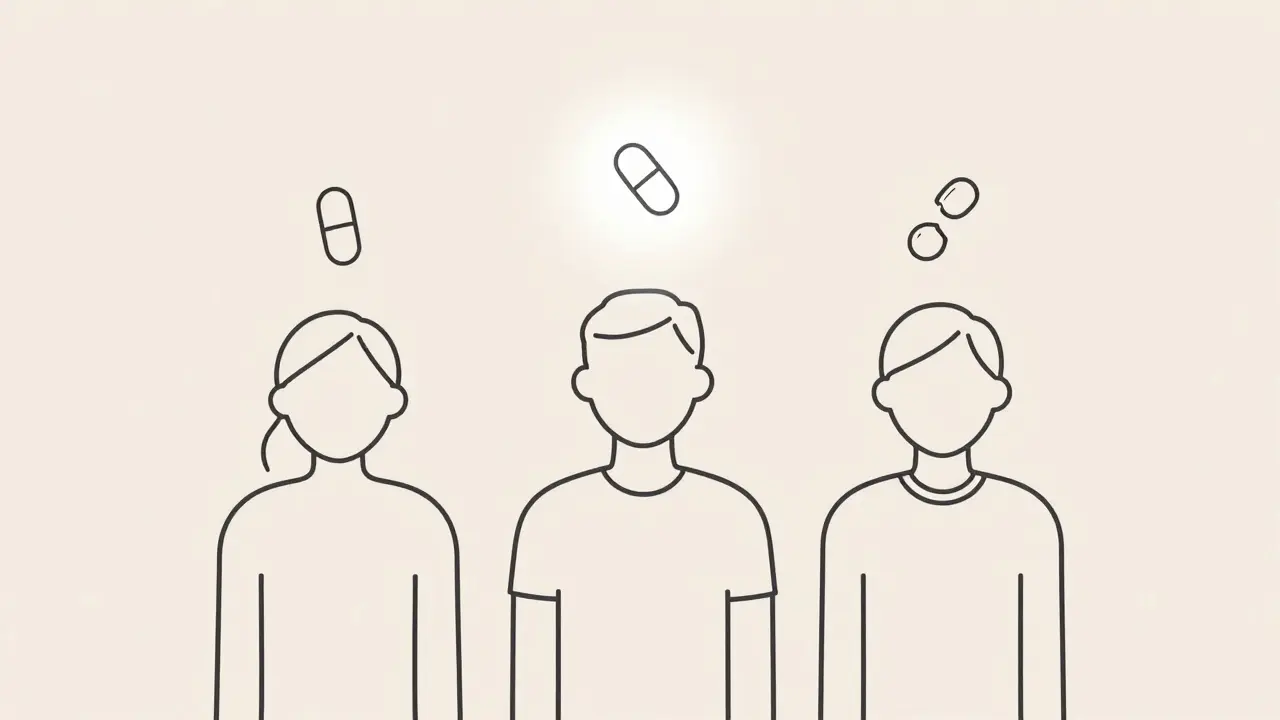
Have you ever wondered why a medication that works like a charm for your neighbor makes you feel dizzy or nauseous? Or why some people need a much higher dose of a painkiller to get any relief while others are hypersensitive to the same amount? It seems strange that a pill designed for a specific condition can produce wildly different results in different bodies, but the truth is that no two people process chemicals exactly the same way. In fact, drug side effects are often the result of a complex tug-of-war between your unique genetic code, your age, and even the other things you're taking at the same time.
When we talk about these unexpected reactions, we're talking about Adverse Drug Reactions (ADRs), which are noxious and unintended responses to medicines that happen even when the drug is used at normal doses. These aren't just minor inconveniences; they are a serious public health issue. In the US, ADRs have been cited as a leading cause of death, and in Europe, about 3.6% of hospital admissions are due to these reactions. It is a costly problem too, with the NHS in the UK spending roughly £770 million annually to manage them.
The Engine Room: How Your Body Processes Drugs
To understand why we react differently, we have to look at two main processes: pharmacokinetics and pharmacodynamics. Think of pharmacokinetics as "what your body does to the drug" (how it absorbs, distributes, and flushes it out) and pharmacodynamics as "what the drug does to your body" (how it hits the target receptors in your cells).
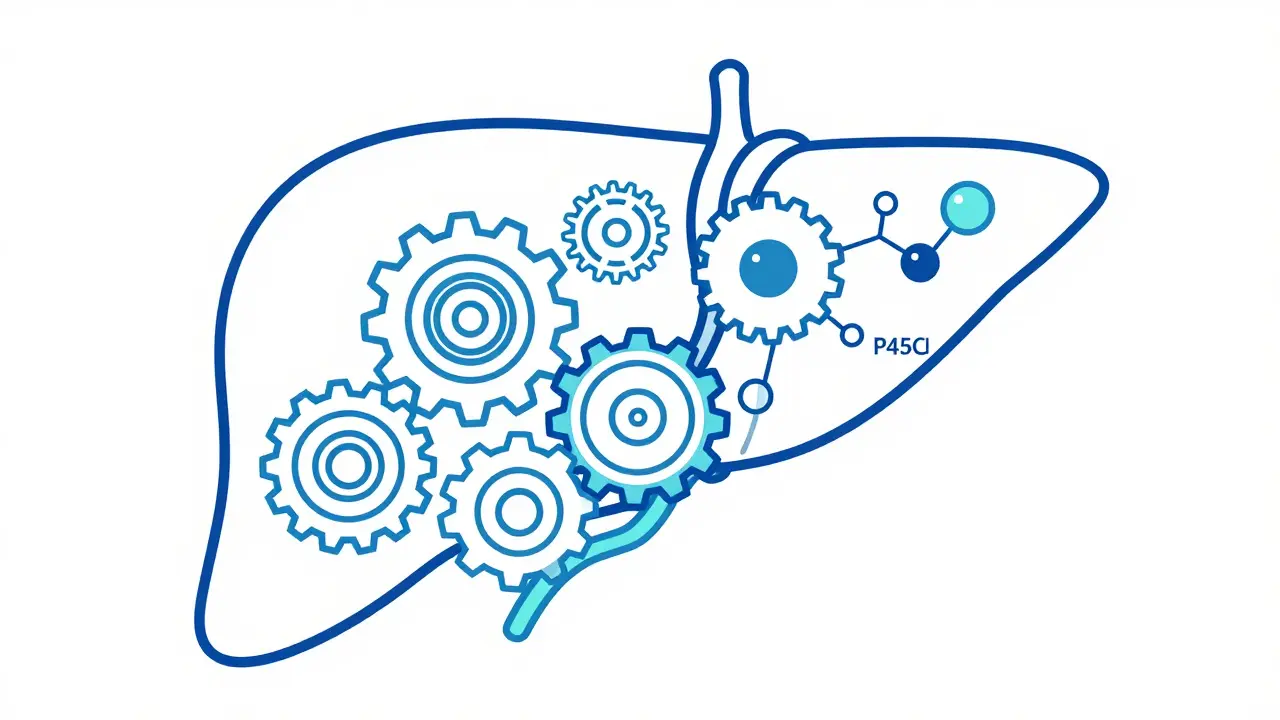
The real magic-or mayhem-happens in the liver, where the Cytochrome P450 (CYP) enzyme system lives. This is a family of enzymes responsible for breaking down the vast majority of medications. If these enzymes are too slow, the drug builds up in your system, potentially becoming toxic. If they are too fast, the drug is cleared before it ever has a chance to work.
Depending on your DNA, you might fall into one of these categories:
- Poor Metabolizers: Your enzymes work slowly. A standard dose might be too much for you, leading to severe side effects. For example, about 5-10% of Caucasians are poor metabolizers for the CYP2D6 enzyme.
- Ultra-rapid Metabolizers: Your body burns through the drug instantly. You might feel like the medicine "doesn't work," even though you're taking the correct dose. Interestingly, up to 29% of Ethiopians fall into this category for CYP2D6.
The Genetic Blueprint: Pharmacogenomics
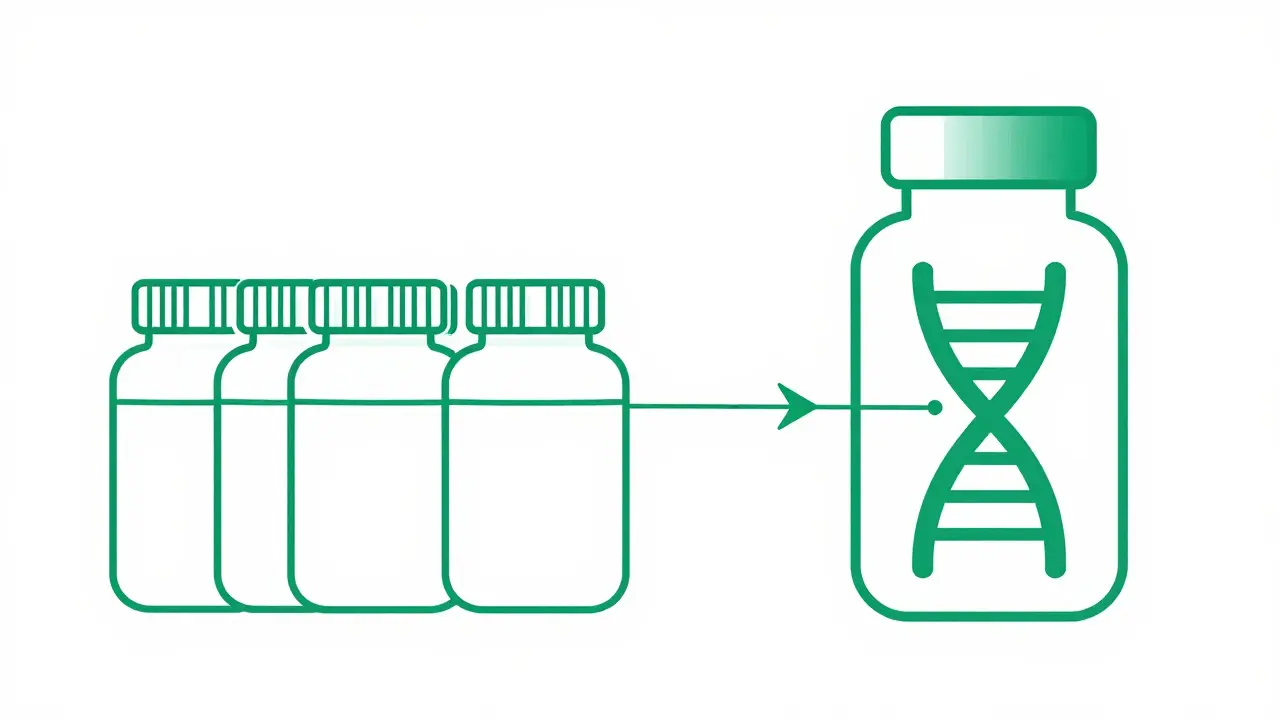
This is where Pharmacogenomics comes in. It is the study of how genes affect a person's response to drugs. The goal is to move away from the "one-size-fits-all" method of prescribing and toward a personalized approach where your doctor picks a drug and dose based on your genetic profile.
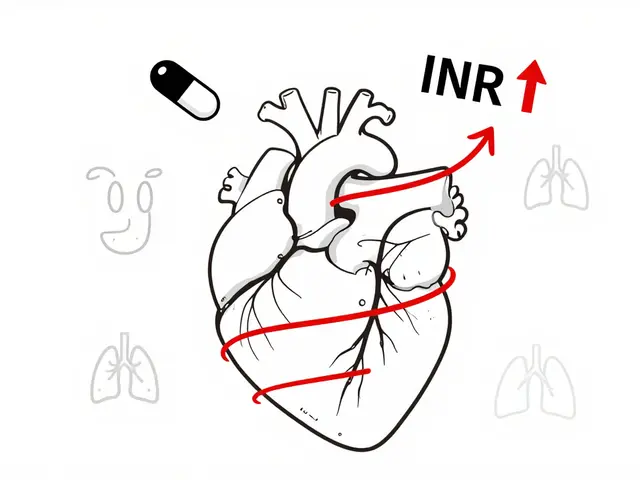
A great example of this is Warfarin, a common blood thinner. Because of variations in the CYP2C9 and VKORC1 genes, the "right" dose varies wildly between people. When doctors use genetic testing to guide the dose, major bleeding events drop by 31%. Similarly, in pediatric oncology, using these tests for children receiving mercaptopurine has slashed severe toxicity rates from 25% down to 12%.
| Medication | Genetic Marker | Impact of Variation | Outcome |
|---|---|---|---|
| Warfarin | CYP2C9 / VKORC1 | Altered metabolism/sensitivity | High bleeding risk if dose is too high |
| Clopidogrel | CYP2C19 | Reduced activation of the drug | Poor metabolizers get minimal benefit |
| Zafirlukast | 5-LO polymorphism | Changed response in asthma | Only 5% of asthma patients respond differently |
Beyond Genetics: Age, Lifestyle, and Environment
Your DNA isn't the only thing deciding how you'll feel after taking a pill. Your age plays a massive role. As we get older, our body composition changes; elderly adults often have 30-40% more body fat than younger adults. Since many drugs are fat-soluble, they can linger in the body much longer in older patients, increasing the risk of side effects.
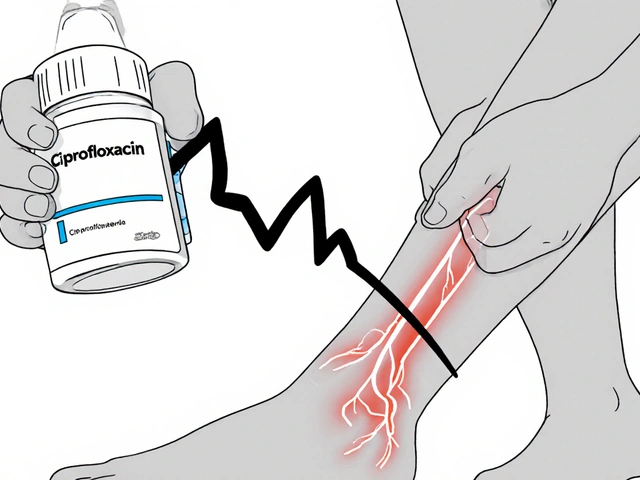
Then there is the "cocktail effect," or polypharmacy. When you take five or more medications, the risk of an adverse reaction is 300% higher than in younger patients taking fewer drugs. This happens because drugs can interfere with each other. For instance, the drug amiodarone can block the metabolism of warfarin, potentially increasing warfarin concentrations by 100-300% and causing life-threatening internal bleeding.
Even your current health state matters. If you are dealing with systemic inflammation, your Cytochrome P450 enzyme activity can drop by 20-50%. This means a dose that was safe for you last year might be too high today because your liver is too busy dealing with inflammation to break the drug down.
The Road to Personalized Medicine
The medical world is shifting. The FDA has already added pharmacogenomic information to the labels of over 300 drugs. We are seeing the rise of point-of-care testing-like a 60-minute test for CYP2C19-that allows a doctor to know if clopidogrel will work for a patient before the first dose is even given.
However, it's not a perfect system yet. Most current tests focus on just three enzymes (CYP2C9, CYP2C19, and CYP2D6), which only explain about 15-19% of all adverse reactions. The future lies in "polygenic risk scores," which look at hundreds of small genetic variants rather than one big one. Early data suggests this could improve our ability to predict drug responses by 40-60%.
There are still hurdles. Many doctors aren't trained to read these genetic reports, and insurance coverage is spotty. But the cost of testing is plummeting-dropping from $2,000 per panel in 2015 to about $250 in 2023-which makes it far more accessible for the average person.
Can I find out if I'm a "poor metabolizer" for certain drugs?
Yes, through pharmacogenomic testing. Your doctor can order a blood or saliva test to check for specific variants in the CYP450 enzyme family. This is most common for high-risk medications like blood thinners or certain antidepressants.
Does taking multiple supplements affect drug side effects?
Absolutely. Supplements can act like drugs and block or accelerate the enzymes in your liver. This is why it is critical to tell your pharmacist about everything you take, as this can lead to unpredictable drug-drug-gene interactions.
Why do side effects sometimes appear only after taking a drug for months?
This can happen due to "enzyme induction" or "inhibition," where the drug slowly changes how your liver processes it, or because the drug is accumulating in fatty tissues over time, particularly in older adults.
Are some ethnicities more prone to certain side effects?
Yes, genetic variants are often distributed differently across populations. For example, ultra-rapid metabolizers of CYP2D6 are found in up to 29% of Ethiopians compared to only 1-2% of Europeans, meaning they may process certain drugs much faster.
Can a change in diet trigger a drug reaction?
Yes. Certain foods can inhibit or activate liver enzymes. A classic example is grapefruit juice, which can block enzymes that break down certain statins, leading to dangerously high levels of the drug in your blood.
What to do if you suspect a medication isn't working
If you feel your medication is causing unexpected side effects or simply isn't working, don't just stop taking it-that can be dangerous. Instead, start a log of your symptoms and the exact time they occur. Bring this to your pharmacist or doctor and specifically ask if your symptoms could be related to how you metabolize the drug.
If you are taking more than five medications, ask for a "medication review." A pharmacist can identify potential drug-drug-gene interactions that your primary doctor might have missed. For those in high-risk categories-such as oncology or cardiology patients-ask if pharmacogenomic testing is an option to help fine-tune your dosage.
Comments
8 Comments
Rakesh Tiwari
Oh wow, so we're finally discovering that humans aren't all identical clones? Truly groundbreaking stuff here. I'm sure the pharmaceutical giants are just thrilled to have a new way to charge us for 'personalized' genetic panels now.
Ben hogan
The reductive nature of this discourse is frankly exhausting. We treat the body as a mere machine to be tuned, ignoring the ontological crisis of being a biological entity in a digitized age of 'precision' medicine. It's just more noise to distract us from the void.
Simon Jenkins
Excuse me, but the sheer audacity of ignoring the historical context of these genetic studies is absolutely appalling! I could spend hours lecturing on why the focus on CYP enzymes is merely the tip of the iceberg. It's a tragedy of epic proportions that this isn't common knowledge in every single household! Truly a travesty!
emmanuel okafor
life is just a big mix of things and our bodies just follow the path given to us by nature
Julie Bella
I actually had a cousin who took a statin and got the worst rash ever!! 😱 She didnt even tell her doctor about her herbal tea and it was a total disaster!! People really need to be more responsible with their health and stop lying to their doctors!! 🙄💅
Will Gray
Typical. They mention Ethiopians to make it sound like some global discovery, but let's be real: the US leads the way in this research. Though I bet the government is using these 'genetic profiles' to build a database of our DNA for some sinister control agenda. Wake up people, once they have your code, they own you.
Camille Sebello
Too risky... Always check labels!!!
Doug DeMarco
Totally agree with the point about the medication review! 🌟 I always tell my students that the pharmacist is the most underrated resource in the whole healthcare system. Don't be afraid to speak up and get that review if you're on a bunch of different meds! Keep it safe everyone! 😊🙌
Write a comment