


Itching eyes, a runny nose, and constant sneezing are more than just annoying-they can derail your entire day. For millions of people, the solution sits right on the pharmacy shelf in the form of antihistamines, which are medications that block histamine receptors to relieve allergy symptoms like itching, sneezing, and runny nose. While these drugs have been around since the 1930s, not all of them work the same way. Some will leave you wide awake, while others might knock you out cold. Understanding the difference between these types is crucial for managing allergies safely without compromising your daily life.
Key Takeaways
- Second-generation antihistamines (like loratadine and fexofenadine) are the best choice for most people because they last 24 hours and rarely cause drowsiness.
- First-generation antihistamines (like diphenhydramine) are highly sedating and should only be used for short-term relief or sleep aid, never for driving or operating machinery.
- Timing matters: Start taking non-sedating antihistamines 1-2 weeks before allergy season begins for maximum protection.
- Avoid grapefruit juice when taking certain antihistamines, as it can increase drug levels in your blood by up to 37%.
- If one medication doesn't work, try another; about 30% of patients need to test 2-3 options to find the right fit.
How Antihistamines Actually Work
To understand why some pills make you sleepy and others don't, you first need to know what they're fighting. When your body detects an allergen-like pollen, pet dander, or dust mites-it releases a chemical called histamine, which is a compound released by immune cells during allergic reactions that causes inflammation, itching, and swelling. Histamine binds to specific receptors in your body, primarily H1 receptors, triggering those classic allergy symptoms: watery eyes, a stuffy nose, and hives.
Antihistamines work by blocking these H1 receptors so histamine cannot attach to them. Think of it like putting a plug in a drain; the water (histamine) is still there, but it can't flow through (cause symptoms). There are also H2 receptors, mostly found in the stomach, which regulate acid production. Drugs targeting H2 receptors are used for heartburn, not allergies. This article focuses entirely on H1 antihistamines, the ones you buy for seasonal allergies.
First-Generation vs. Second-Generation: The Critical Difference
The biggest mistake people make with allergy meds is treating all antihistamines as equal. They aren't. They fall into two main generations, and the difference lies in how they interact with your brain.
First-generation antihistamines, developed in the 1940s, include drugs like diphenhydramine (commonly known as Benadryl), chlorpheniramine, and doxylamine. These molecules are "lipophilic," meaning they love fat and easily cross the blood-brain barrier. Once they hit your central nervous system, they bind to H1 receptors in the brain. Since histamine helps keep you awake, blocking it causes significant drowsiness. Studies show that roughly 50% of users experience noticeable sedation. In fact, research indicates that first-gen antihistamines can impair driving performance similarly to having a blood alcohol concentration of 0.10% in 40% of users.
Second-generation antihistamines, introduced starting in the early 1990s, were designed to fix this problem. Drugs like loratadine (Claritin), cetirizine (Zyrtec), and fexofenadine (Allegra) are less lipophilic. They stay largely in the bloodstream and tissues where the allergy is happening, avoiding the brain. As a result, they provide relief without the heavy sedation. A pharmacokinetic study showed that cetirizine has only about 1.0% brain penetration compared to diphenhydramine's 2.8%, making them far safer for daytime use.
| Drug Name (Generic) | Brand Example | Generation | Drowsiness Risk | Duration |
|---|---|---|---|---|
| Diphenhydramine | Benadryl | First | High (Sedating) | 4-6 hours |
| Cetirizine | Zyrtec | Second | Moderate-Low | 24 hours |
| Loratadine | Claritin | Second | Very Low | 24 hours |
| Fexofenadine | Allegra | Second/Third | Minimal | 24 hours |
| Levocetirizine | Xyzal | Third | Low-Moderate | 24 hours |
Sedation Levels: Which One Keeps You Awake?
Even within the second-generation category, there are differences in how "non-drowsy" a drug actually is. If you are a surgeon, a truck driver, or just someone who needs to focus at work, this distinction matters.
Fexofenadine (Allegra) is widely considered the least sedating option. Clinical studies indicate that only 6% of users report feeling drowsy. It is often the top recommendation for people who cannot afford any cognitive impairment. Dr. Jordan Josephson, a sinus specialist, notes that fexofenadine is particularly valuable for professionals requiring high alertness due to its minimal penetration into the central nervous system.
Loratadine (Claritin) is also very safe regarding sedation, with user reviews frequently citing "no tiredness" as a key benefit. It maintains a strong reputation for being truly non-drowsy for the vast majority of users.
Cetirizine (Zyrtec) is effective but comes with a caveat. While it is technically a second-generation drug, it crosses the blood-brain barrier slightly more than Allegra or Claritin. About 14% of users report drowsiness, and a 2021 meta-analysis found measurable cognitive impairment in this group. Many users describe it as "effective but makes me sleepy by afternoon." If you notice yourself getting groggy after taking Zyrtec, switch to Allegra or Claritin.
Levocetirizine (Xyzal) is a refined version of cetirizine. It is about 30% less likely to cause drowsiness than standard Zyrtec, but it still carries a higher risk than Allegra. Be cautious if you are over 65, as older adults are more sensitive to these sedative effects.
Side Effects Beyond Drowsiness
Drowsiness is the most famous side effect, but it isn't the only one. First-generation antihistamines have anticholinergic properties, meaning they block acetylcholine, a neurotransmitter involved in memory and muscle control. This leads to side effects like dry mouth, blurred vision, constipation, and urinary retention. Because of this, the American Academy of Pediatrics advises against using first-gen antihistamines in children under 6.
There is also growing concern about long-term use in the elderly. A 2022 review in JAMA Internal Medicine highlighted that chronic use of first-generation antihistamines in patients over 75 may be associated with an increased risk of dementia. While causation hasn't been definitively proven, the link is strong enough that experts recommend avoiding daily use of sedating antihistamines in older adults. Second-generation options do not carry this same level of risk.
For most healthy adults, second-generation antihistamines are well-tolerated. However, rare side effects can include headaches or mild stomach upset. Always check labels for warnings about cardiovascular effects, especially if you have existing heart conditions, as some antihistamines can affect heart rhythm at high doses.
Safe OTC Use Guidelines and Timing
Getting the most out of your allergy medication requires strategy. Here is how to use them safely and effectively.
- Start Early: Don't wait until you are sneezing uncontrollably. Experts recommend starting second-generation antihistamines 1-2 weeks before your allergy season begins. This pre-treatment prevents histamine receptors from becoming fully activated, providing better protection.
- Stick to Once-Daily Dosing: Second-generation antihistamines are designed to last 24 hours. Taking them every morning at the same time ensures consistent coverage. Do not exceed the recommended dose unless directed by a doctor, as this increases side effects without improving relief.
- Avoid Grapefruit Juice: Grapefruit contains compounds that inhibit enzymes in your gut responsible for breaking down medications. Consuming it with certain antihistamines can increase drug levels in your blood by up to 37%, raising the risk of side effects.
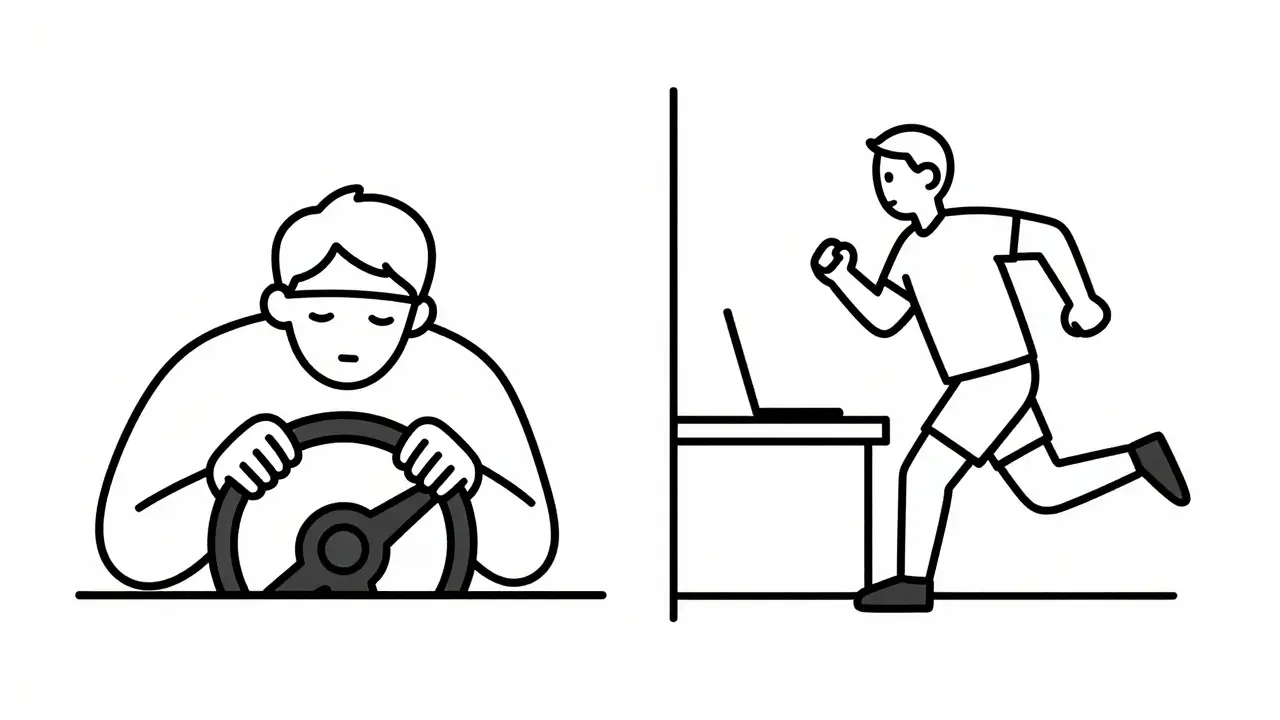
- Use First-Gen Only at Night: If you must use diphenhydramine (Benadryl) for severe acute itching or hives, take it right before bed. Never drive or operate machinery after taking it. Its effects can linger longer than you think.
- Try Before You Buy Bulk: Everyone's biology is different. About 30% of patients need to try 2-3 different antihistamines to find the one that works best for them. Buy small starter packs rather than huge bottles until you confirm the medication suits you.
When to See a Doctor
OTC antihistamines are great for mild to moderate allergies, but they aren't a cure-all. You should consult a healthcare provider if:
- Your symptoms persist despite daily use of second-generation antihistamines.
- You experience wheezing, shortness of breath, or chest tightness, which may indicate asthma rather than simple allergic rhinitis.
- You have chronic hives (urticaria) lasting more than six weeks, which may require prescription-strength treatment or biologic therapies.
- You are pregnant or breastfeeding, as safety profiles vary by medication.
The American College of Allergy, Asthma, and Immunology recommends second-generation antihistamines as the initial therapy for chronic urticaria. If OTC options fail, specialists can offer targeted treatments that address the root cause rather than just masking symptoms.
Is Allegra better than Zyrtec?
It depends on your priority. Allegra (fexofenadine) is less likely to cause drowsiness, making it better for people who need to stay alert. Zyrtec (cetirizine) may act slightly faster and is often preferred for skin itching, but it has a higher risk of causing sedation in some users.
Can I take antihistamines every day?
Yes, second-generation antihistamines like Claritin, Zyrtec, and Allegra are generally safe for daily long-term use. However, first-generation antihistamines like Benadryl should not be used daily due to their sedative effects and potential cognitive risks, especially in older adults.
Why does Benadryl make me so sleepy?
Benadryl (diphenhydramine) is a first-generation antihistamine that easily crosses the blood-brain barrier. It blocks histamine receptors in the brain, which normally help regulate wakefulness. This results in significant drowsiness, which is why it is sometimes used off-label as a sleep aid.
Do antihistamines stop working over time?
Generally, no. Unlike painkillers, antihistamines do not typically lose effectiveness with regular use. If you feel they are stopping working, it may be because your allergy exposure has increased, or you may simply need to switch to a different type of antihistamine that works better for your specific biology.
Are natural antihistamines effective?
Some supplements like quercetin or butterbur are marketed as natural antihistamines, but scientific evidence supporting their efficacy is limited and inconsistent. OTC pharmaceutical antihistamines have robust clinical data proving their safety and effectiveness. Consult a doctor before relying solely on supplements for severe allergies.