

Quick Takeaways
- A caloric deficit happens when you burn more energy than you eat.
- The "3,500 calories = 1 pound" rule is a rough guide, not a law, because your metabolism shifts.
- Metabolic adaptation can slow your progress by about 15% more than expected.
- Protein and strength training are non-negotiable to prevent muscle loss.
- Sustainable loss usually happens with a moderate 300-500 calorie daily deficit.
The Basics of Energy Balance
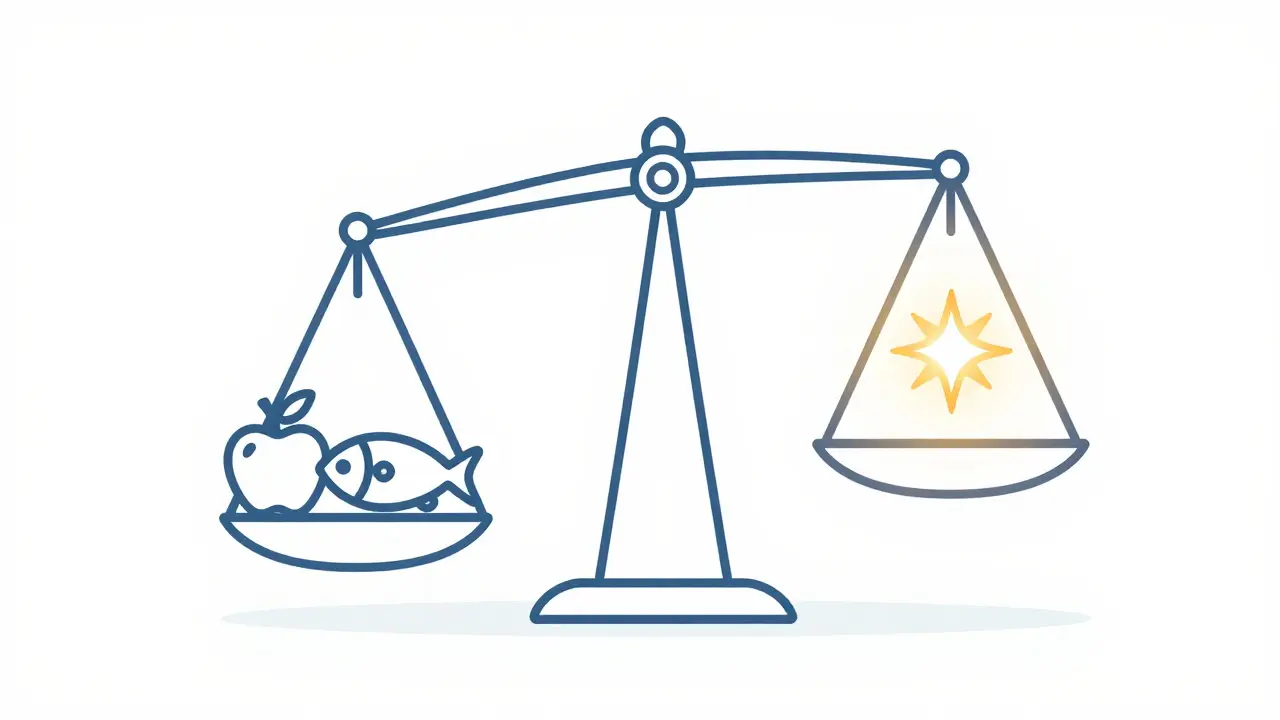
At its core, weight management is governed by Energy Balance, which is the relationship between the energy you take in (calories from food and drink) and the energy your body uses to keep you alive and moving. When you maintain a balance, your weight stays the same. When you spend more than you consume, you enter a caloric deficit, forcing your body to tap into stored energy-mainly body fat-to make up the difference.
This isn't just a modern fitness trend; it's based on the first law of thermodynamics. However, the old school rule that 3,500 calories equals exactly one pound of fat is a bit outdated. While it's a helpful starting point for beginners, research shows that as you lose weight, your body becomes more efficient, meaning you actually burn fewer calories to perform the same tasks. If you ignore this, you might find yourself overestimating your progress by 50% or more over a year.
Why Your Progress Slows Down: Metabolic Adaptation
Ever wonder why the first ten pounds fly off and the next five feel impossible? That's Metabolic Adaptation. Your body doesn't want you to starve, so it triggers a series of defenses to protect your energy stores. This happens in three distinct phases:
- The Initial Drop: In the first few days, you see a rapid drop in weight. Much of this is water and glycogen, and the deficit is acute.
- The Adjustment: After a few weeks, your energy expenditure drops. Your body starts doing more with less.
- The New Baseline: Eventually, you hit a new equilibrium where your reduced calorie intake matches your now-lower metabolic rate.
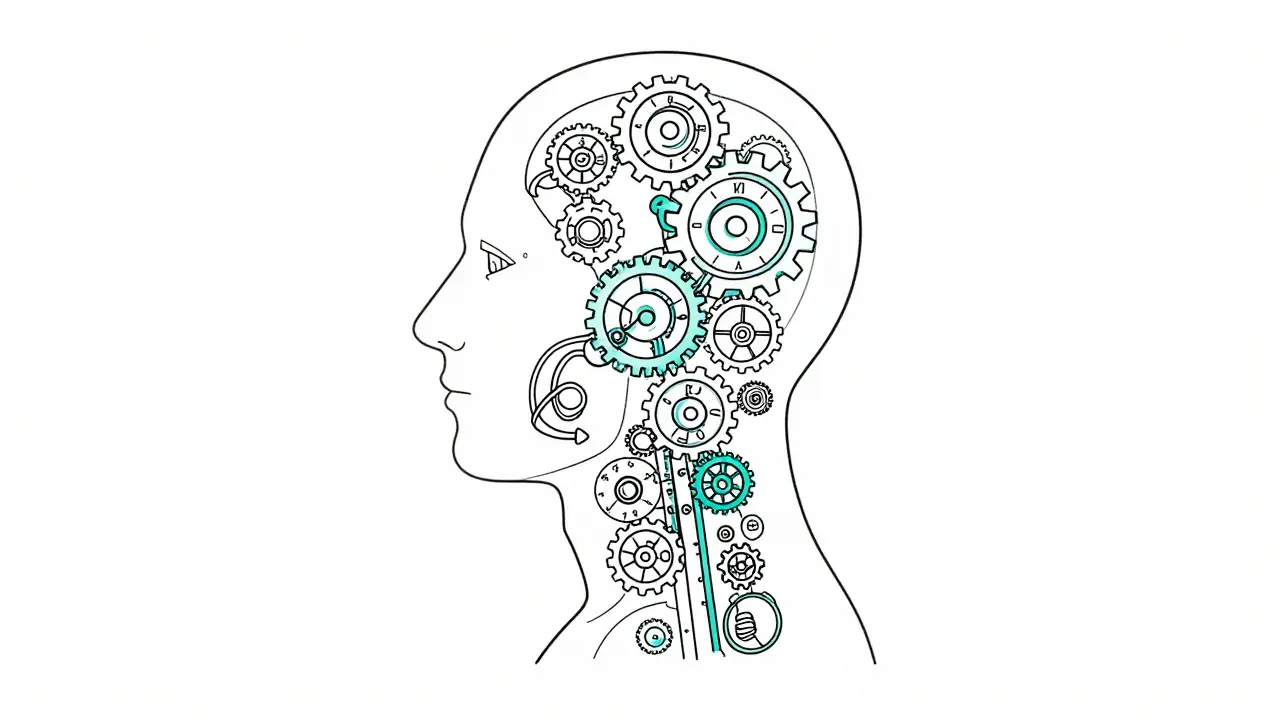
This adaptation is often more aggressive than people realize. The CALERIE trial showed that metabolic adaptation can be 10-15% greater than what you'd expect just from being a smaller person. For instance, if you lose weight, your Resting Energy Expenditure (the calories you burn doing nothing) drops not just because you have less mass, but because your organs-like your kidneys and liver-actually become more energy-efficient.
| Approach | Primary Mechanism | Metabolic Impact | Sustainability |
|---|---|---|---|
| Moderate Deficit (300-500 kcal) | Steady Energy Gap | Low to Moderate Adaptation | High |
| Aggressive Deficit (1,000+ kcal) | Rapid Energy Gap | High Adaptation & Muscle Loss | Low |
| Low-Carb / Keto | Insulin Management + Deficit | Slightly higher initial expenditure | Moderate |
| Intermittent Fasting | Time-Restricted Feeding | Similar to moderate deficit | Variable |
The Muscle Trap and Protein's Role
One of the biggest mistakes people make during a deficit is focusing only on the scale. The scale doesn't know the difference between fat and muscle. If you cut calories too aggressively-say, over 1,000 calories a day-your body may start breaking down muscle tissue for energy. This is a disaster for your long-term goals because muscle is metabolically active; the more you have, the more calories you burn at rest.
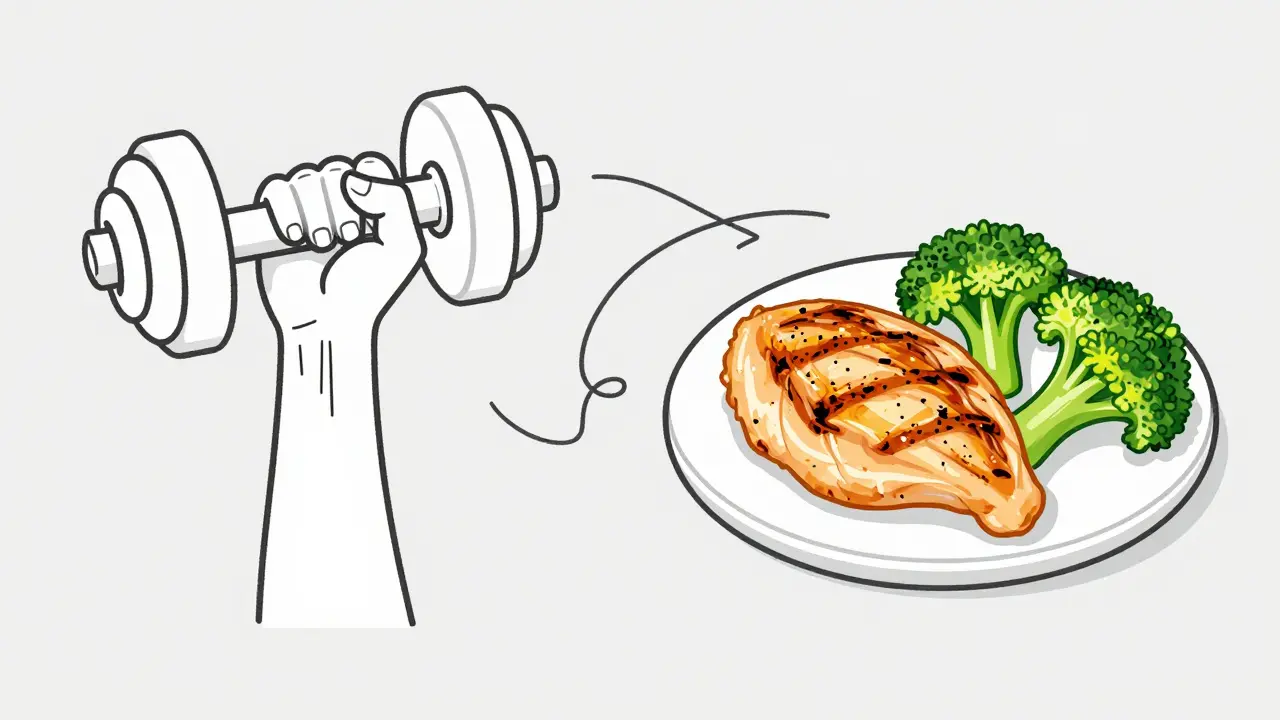
To fight this, you need a strategy that protects your lean mass. High protein intake is the most effective tool here. Aiming for 1.6 to 2.2 grams of protein per kilogram of body weight helps signal to your body to keep the muscle and burn the fat instead. Pair this with resistance training. Lifting weights tells your body that muscle is "necessary," which helps mitigate the metabolic slowdown. Some successful long-term maintainers report only an 8% metabolic drop compared to the usual 15% because they prioritized muscle preservation.
Managing Hunger and Hormones
You can't out-willpower your hormones. When you're in a deficit, your brain increases the production of Ghrelin (the hunger hormone) and crashes your levels of Leptin (the fullness hormone). This is why you might feel "hangry" or obsessed with food after a month of dieting.
To manage this, stop thinking about calories as just numbers and start thinking about volume. Focus on high-volume, low-calorie foods-like leafy greens, cruciferous vegetables, and berries. These fill your stomach physically, which sends signals to your brain that you've eaten, even if the calorie count is low. Additionally, avoid the "crash diet" mentality. The Cleveland Clinic suggests starting with a small 250-calorie deficit to let your hormones adjust slowly, rather than jumping into a deep deficit that triggers an immediate hunger emergency.
Sustainable Strategies for the Long Haul
Since metabolic adaptation is inevitable, the best way to handle it is to build breaks into your plan. Instead of dieting for six months straight, try "diet breaks." This means spending one to two weeks every couple of months eating at your maintenance calories. This brief pause can help reset some of the hormonal signals and give you a mental break, making it much easier to stick to the plan long-term.
Another pro tip is to stop relying solely on apps. While tools like MyFitnessPal are great, many people underestimate their intake by 25-30% because of inaccurate portion sizes. For a few weeks, try weighing your food with a digital scale. Once you have a visual sense of what a true serving size looks like, you can go back to estimating with much higher accuracy.
How big should my caloric deficit be?
For most people, a moderate deficit of 300 to 500 calories below maintenance is the sweet spot. This typically leads to about 0.5 to 1 pound of weight loss per week. Going above 1,000 calories often leads to excessive muscle loss and a severe metabolic crash, making the weight harder to keep off later.
Why did I stop losing weight even though I'm still eating the same?
This is a classic plateau caused by metabolic adaptation. As you lose weight, your body requires fewer calories to function. What was a deficit when you were 20 pounds heavier is now your maintenance level. You may need to slightly adjust your calories down or increase your activity to restart the loss.
Can I lose weight without counting calories?
Yes, as long as you are in a deficit. You can achieve this through intuitive eating, high-protein diets, or intermittent fasting. However, because humans are generally poor at estimating calories, tracking for a short period is the most reliable way to ensure you're actually in a deficit.
Does the type of calorie matter for weight loss?
For pure weight loss, a calorie is a calorie. However, for fat loss and health, the source matters. Protein preserves muscle, and fiber keeps you full. Low-glycemic diets may also help reduce the severity of metabolic slowdown compared to high-sugar, low-fat diets.
How long does it take to see results from a deficit?
You'll often see a quick drop in the first week due to water loss. Actual fat loss takes longer. If you maintain a 500-calorie daily deficit, you'll typically see a noticeable change in a few weeks, but sustainable fat loss is a marathon, not a sprint.
Next Steps and Troubleshooting
If you're just starting, don't try to optimize everything at once. Start by tracking your current intake for one week without changing anything. This gives you a baseline. Then, subtract 300 calories and see how you feel. If your energy levels crash or you can't sleep, your deficit is too steep.
For those who have hit a wall, try a "maintenance phase" for two weeks. Eat at your current expenditure, focus on heavy lifting, and let your hormones stabilize. This often breaks the plateau and prepares your body for another round of steady fat loss. Remember, the goal isn't just to reach a number on the scale, but to create an energy balance you can actually live with for the rest of your life.
Comments
11 Comments
Rauf Ronald
Spot on about the muscle preservation! Most people just starve themselves and wonder why they feel like zombies.
Adding heavy compound lifts is a total game changer for keeping that BMR high while leaning out. Keep pushing everyone!
Danielle Kelley
Sure, follow the "science" and eat your little 300 calories. Meanwhile, the food industry is pumping these processed seeds with chemicals specifically designed to override your leptin and keep you addicted so you keep buying their trash. They don't want you healthy, they want you dependent and fat!
Vivek Hattangadi
This is such a helpful breakdown for anyone struggling with a plateau! I've seen so many clients get frustrated when the scale stops moving, but understanding metabolic adaptation makes it way less scary. I totally agree that focusing on volume with veggies is the best way to stay sane while dieting. Let's all support each other in hitting those protein goals!
Timothy Burroughs
imagine thinking a scale actually tells you anything about your health lol. typical soft approach. real men just eat steak and lift heavy and stop overthinking the math. this whole a bit of calories here and there is just weak
Christopher Cooper
The point about diet breaks is really fascinating. It makes a lot of sense from a psychological perspective to have a planned pause. I'm curious to see how the hormonal reset actually fluctuates over a few weeks, but the logic of avoiding a crash is sound. Great advice on using the digital scale for a few weeks to calibrate the eyes.
GOPESH KUMAR
Typical reductionist view of biology. You're treating the human body like a steam engine from the 1800s. While thermodynamics is a law, the application of it to nutrition is far more nuanced than a simple subtraction problem. Most people fail because they lack the discipline to handle the boredom of a moderate deficit, not because they don't understand the math.
shelley wales
It's okay to feel frustrated when the progress slows down. Just remember to be kind to yourself during those plateau phases. You're doing great just by starting!
Alexander Idle
I find the notion of weighing food to be utterly tedious and frankly beneath me. The sheer audacity of expecting a person to spend their limited time on earth meticulously measuring grams of broccoli is a tragedy. Truly a nightmare of a lifestyle.
Sarabjeet Singh
Keep going guys! Just stay consistent and the results will come.
Rupert McKelvie
The emphasis on protein is the most important part of this whole thing. I've found that hitting those targets makes the hunger much more manageable. It's all about playing the long game and not rushing the process.
charles mcbride
It is truly wonderful to see such a comprehensive guide. I believe that with a positive mindset and the structured approach mentioned here, anyone can achieve their health goals. I am quite optimistic that this will help many people avoid the common pitfalls of aggressive dieting.
Write a comment