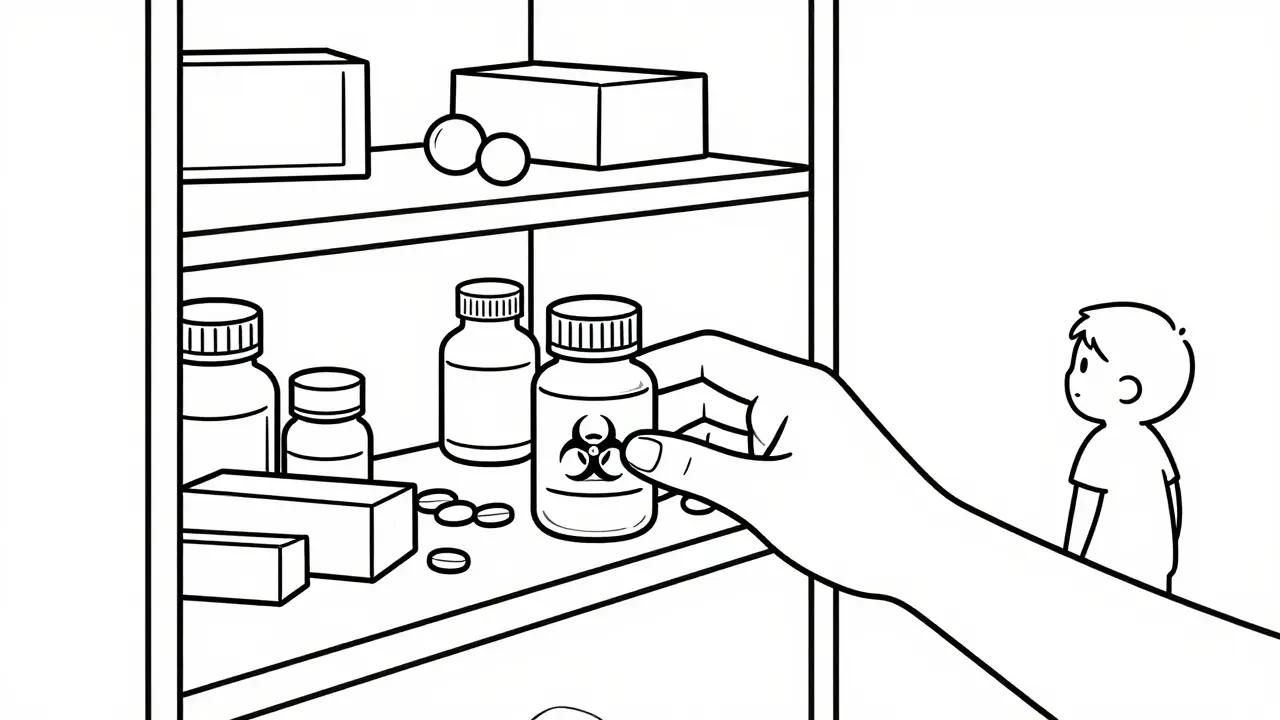
Most of us treat our medicine cabinets like a time capsule. We keep old prescriptions because we might need them again, or simply because throwing them away feels wasteful. But for a small group of powerful drugs, that habit can be deadly. The U.S. Food and Drug Administration (FDA) maintains a specific list of medications that you should flush down the toilet if you cannot find a proper take-back program. This isn't about saving the planet; it's about saving lives.
The logic here is stark. For certain high-risk drugs, the immediate danger to children, pets, or unauthorized users outweighs the potential environmental impact of flushing. One dose of these medications can cause fatal overdose or serious harm. If you have any of these drugs at home, knowing how to dispose of them correctly is a critical safety step.
The Hierarchy of Disposal: Take-Back First
Before you reach for the plunger, you need to understand the order of operations. The FDA and the Environmental Protection Agency (EPA) agree on one thing: flushing is the last resort. It is not the first option. The preferred method for disposing of almost all unused medication is a drug take-back program.
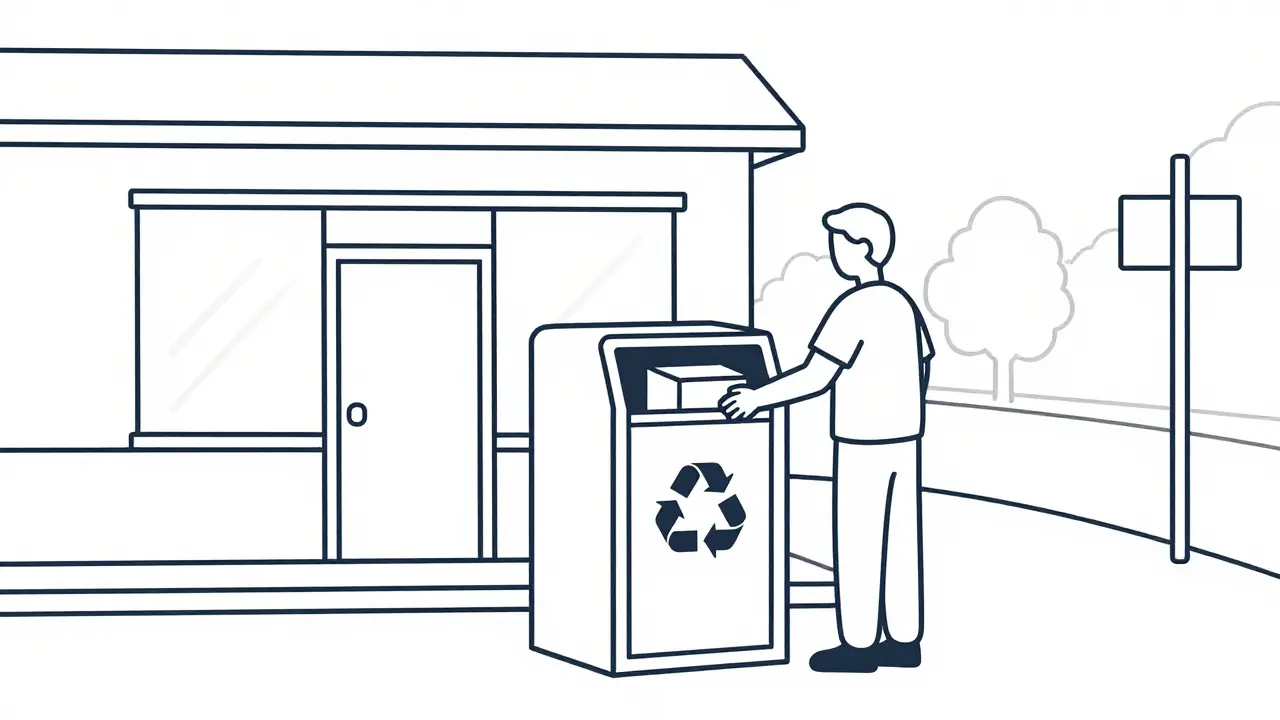
Take-back programs allow you to drop off unused drugs at authorized collection sites without fear of legal repercussions. These sites are often located at pharmacies, hospitals, or law enforcement agencies. The Drug Enforcement Administration (DEA) runs National Take Back Days twice a year, usually in April and October. However, many locations offer year-round collection. You can find these sites using the DEA’s locator tool online. If a take-back site is within a reasonable distance-say, less than 10 miles-you should use it. It keeps pharmaceuticals out of our water supply and ensures secure destruction.
Flushing is only recommended when two conditions are met:
- The medication is on the FDA’s official Flush List.
- No take-back option is available or accessible to you.
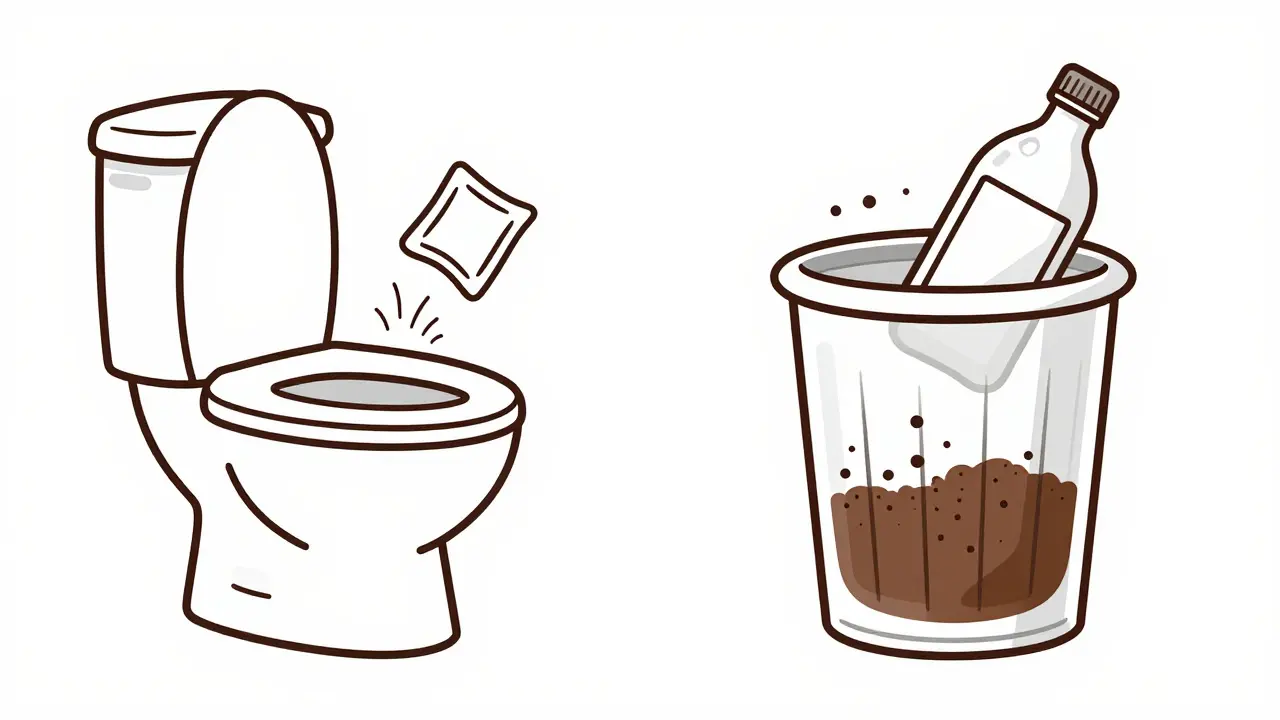
If your medication is not on the Flush List, do not flush it. Instead, mix it with an unappealing substance like used coffee grounds, cat litter, or dirt in a sealed container, and throw it in the household trash. This makes the drug less likely to be accidentally ingested by someone rummaging through your garbage.
The FDA Flush List: What’s Included?
The Flush List is intentionally short. It contains only those medicines where the risk of accidental exposure, misuse, or overdose is extremely high. As of the latest updates in 2024, the list focuses primarily on potent opioids and a few other high-risk substances. Here are the active ingredients and their common brand names that require flushing if take-back is unavailable.
| Active Ingredient | Common Brand Names | Risk Factor |
|---|---|---|
| Buprenorphine | Belbuca, Buavail, Butrans, Suboxone, Subutex, Zubsolv | High risk of respiratory depression in non-tolerant individuals |
| Fentanyl | Abstral, Actiq, Duragesic patches, Fentora, Onsolis | Extremely potent; tiny amounts can be fatal to children |
| Hydromorphone | Exalgo (extended-release) | Strong opioid analgesic |
| Meperidine | Demerol | Risk of seizure and respiratory failure |
| Methadone | Dolophine, Methadose | Long half-life increases overdose risk |
| Morphine | Arymo ER, Avinza, Embeda, Kadian, Morphabond ER, MS Contin, Oramorph SR | Standard opioid risks amplified in extended-release forms |
| Oxymorphone | Opana, Opana ER | High potency opioid |
| Tapentadol | Nucynta, Nucynta ER | Central nervous system depressant |
| Sodium Oxybate | Xyrem, Xywav | Depressant with narrow safety margin |
| Diazepam (Rectal Gel) | Diastat, Diastat Acudial | Emergency seizure medication |
| Methylphenidate | Daytrana (patch) | Stimulant with abuse potential |
Note that this list changes. The FDA reviews it periodically. In recent years, some medications were removed from the list as safer formulations became available or abuse-deterrent technologies improved. Always check the current FDA website or ask your pharmacist before assuming a drug needs to be flushed.
Why Flush? The Safety Rationale
You might wonder why the government would recommend polluting water systems. It comes down to a grim calculation of immediate versus long-term risks. For the drugs on this list, the threat is immediate and lethal.
Consider fentanyl patches. These transdermal patches deliver medication slowly over several days. Even after they are removed, they still contain significant amounts of active drug. There have been documented cases of young children finding discarded patches in trash cans or on playgrounds and suffering fatal overdoses. A child’s body cannot process even a fraction of the dose intended for an adult pain patient. The EPA acknowledges that while flushing has environmental costs, the human health risk from accidental ingestion is far greater for these specific compounds.
The same logic applies to buprenorphine and methadone. These are used in addiction treatment but are also highly addictive and dangerous if misused by someone without tolerance. Keeping them in a drawer "just in case" creates a temptation and a hazard. The goal of the Flush List is to eliminate that hazard entirely.
How to Flush Safely: Step-by-Step
If you have determined that you must flush a medication, follow these steps carefully to minimize risk and ensure privacy.
- Verify the Medication: Double-check that the drug is on the current FDA Flush List. Look at the label or consult your pharmacist. Do not guess.
- Prepare Patches: If you are disposing of a patch (like fentanyl or methylphenidate), fold it in half with the sticky sides together. This prevents the drug from sticking to surfaces or being easily accessed by curious hands.
- Remove Personal Info: Before discarding the empty box or bottle, remove any labels that contain your name, address, or prescription number. Tear them up or scratch them out. This protects your privacy and prevents identity theft.
- Flush Immediately: Place the medication directly into the toilet bowl. Run the water immediately to ensure it goes down quickly. Do not leave it sitting in the bowl.
- Dispose of Packaging: Throw the empty boxes and bottles in the regular trash. Since you’ve removed personal info, they pose no privacy risk.
Do not pour large quantities of liquid medications down the drain at once. If you have many doses, consider spreading the disposal over a short period or seeking a take-back option again. Small amounts are generally manageable for sewage treatment plants, though the EPA notes that even treated water may contain trace residues.
Environmental Concerns and Regulatory Context
It is important to address the elephant in the room: flushing drugs does affect the environment. Pharmaceutical residues have been detected in streams and rivers across the United States. The USGS has found traces of several Flush List medications in waterways. However, these concentrations are typically well below therapeutic levels and are unlikely to cause direct harm to humans or wildlife at current scales.
The regulatory framework reflects this balance. The EPA prohibits healthcare facilities and reverse distributors from flushing hazardous waste pharmaceuticals under the Resource Conservation and Recovery Act (RCRA). This rule applies to clinics, hospitals, and nursing homes. They must use incineration or other specialized waste management methods. The Flush List guidance applies only to households where children or pets might access trash.
This distinction is crucial. You are not breaking any laws by flushing these specific drugs at home when necessary. In fact, failing to properly dispose of them could lead to accidental poisoning, which carries its own set of legal and moral consequences.
Finding Take-Back Options Near You
Since take-back is the preferred method, let’s look at how to find one. The landscape has improved significantly since the Bipartisan Infrastructure Law allocated funds for expanding collection sites. As of 2023, there are over 12,000 authorized take-back locations nationwide.
- Local Pharmacies: Many chain pharmacies and independent stores participate in take-back programs. Ask your pharmacist. They are often required by state law to accept unused controlled substances.
- Law Enforcement: Police stations and sheriff’s offices often have drop-boxes for permanent disposal. These are usually secure and open 24/7.
- DEA Locator: Use the DEA’s official website to search for registered collectors near you. You can filter by zip code and type of location.
- National Take Back Day: Mark your calendar for the next event. These events are convenient because they are widely publicized and often held in community centers or parking lots, making them easy to access.
If you live in a rural area, access might be limited. The disparity is real: urban areas have one take-back site per 15,000 residents, while rural areas have one per 50,000. In these cases, flushing becomes a more viable safety option for high-risk drugs. Don’t feel guilty about choosing safety over convenience when a child’s life could be at stake.
Common Mistakes to Avoid
Even well-meaning people make errors when disposing of medications. Here are the most common pitfalls.
Flushing Non-List Drugs: Never flush antibiotics, blood pressure meds, or antidepressants unless specifically instructed. These do not pose the same immediate lethal risk. Flushing them contributes unnecessarily to water pollution. Use the trash method for these.
Keeping "Just in Case": Hoarding old opioids is dangerous. If your prescription has expired or you no longer need it, get rid of it. Storing them in a locked box helps, but it doesn’t eliminate the risk of theft or accidental discovery by guests or helpers.
Ignoring Patch Residue: As mentioned, always fold patches. A flat patch can stick to a trash bag liner or a surface, leaving behind residue that another person might touch or ingest.
Sharing Medications: Never give your leftover painkillers to a friend or family member. What works for you can kill them. Proper disposal is the only safe way to handle leftovers.
When to Consult Your Pharmacist
Your pharmacist is your best resource for medication disposal. They stay updated on local regulations and federal guidelines. If you are unsure whether a drug is on the Flush List, ask them. They can also help you locate the nearest take-back site. Some pharmacies even offer mail-back envelopes for secure disposal, which is a great middle ground between flushing and driving to a drop-off point.
Remember, the goal is not just to get rid of the pill. It’s to protect your household and your community. By following these guidelines, you reduce the risk of accidental poisoning and contribute to a safer environment for everyone.
Can I flush any medication down the toilet?
No. Only flush medications that appear on the FDA’s official Flush List. For all other medications, use a drug take-back program or mix them with an unappealing substance like coffee grounds and throw them in the trash. Flushing non-list drugs contributes to environmental contamination without providing significant safety benefits.
Why does the FDA recommend flushing instead of trashing?
For high-risk drugs like fentanyl and methadone, the risk of accidental ingestion by children or pets is extremely high. Even one dose can be fatal. The FDA determines that the immediate human health risk outweighs the potential environmental impact of flushing these specific medications when take-back options are not available.
What should I do with empty medicine bottles?
Before throwing away empty bottles or boxes, remove or destroy any personally identifiable information such as your name, address, and prescription number. Once the private info is gone, you can recycle or trash the packaging according to local rules.
Are healthcare facilities allowed to flush medications?
Generally, no. Under EPA regulations, healthcare facilities and reverse distributors are prohibited from flushing hazardous waste pharmaceuticals. They must use specialized waste management services like incineration. The Flush List guidance applies specifically to households.
How can I find a drug take-back location near me?
You can use the DEA’s official locator tool online to find registered collection sites in your area. Additionally, many local pharmacies, hospitals, and police departments offer year-round take-back services. Check with your pharmacist for the closest option.