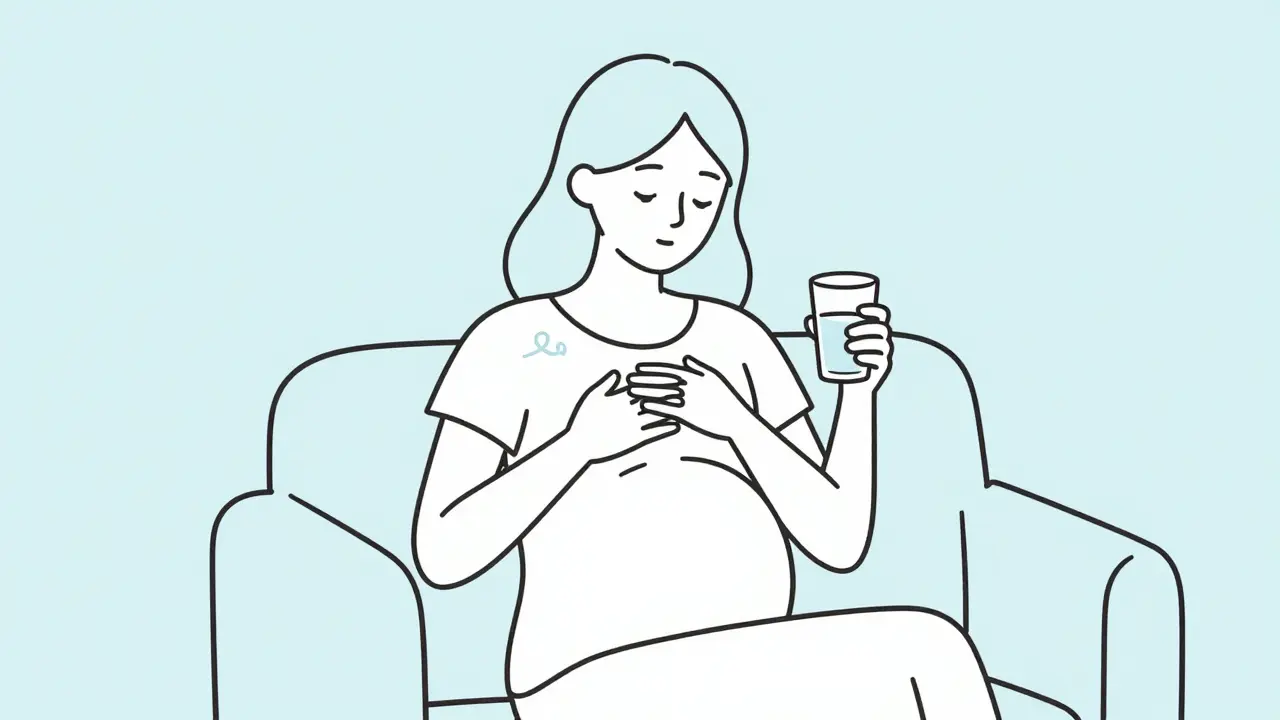
That burning sensation rising up your chest isn't just annoying; it's exhausting. If you are pregnant, you are likely one of the 30 to 80 percent of women dealing with severe heartburn or gastroesophageal reflux disease (GERD). It gets worse as your baby grows, pressing on your stomach, while hormones like progesterone relax the valve that keeps acid down. You want relief, but you also worry about what you put into your body. The good news is that several medications are considered safe, but knowing which one to pick-and when-is crucial for both your comfort and your baby's health.
Is it safe to take heartburn medication during pregnancy?
Yes, many heartburn medications are considered safe during pregnancy when used correctly. Calcium carbonate antacids like Tums are generally the first choice. H2 blockers and PPIs are also options if antacids don't work, but they should be used under a doctor's supervision.
Why Heartburn Hits Harder During Pregnancy
Before we talk about pills, let's look at why this happens. It’s a two-part problem. First, your body produces more progesterone to keep the pregnancy stable. This hormone relaxes smooth muscles, including the lower esophageal sphincter (LES), which acts as a gatekeeper between your stomach and esophagus. When that gate stays open too long, acid splashes up.
Second, physical space becomes tight. As your uterus expands, especially in the second and third trimesters, it pushes your stomach upward. Imagine trying to eat a full meal while someone sits on your lap. That pressure forces contents back up through the relaxed LES. This is why symptoms often start in the first trimester due to hormones but peak in the last trimester due to size.
Gastroesophageal Reflux Disease (GERD) is a chronic condition where stomach acid frequently flows back into the tube connecting your mouth and stomach, causing irritation and discomfort. In pregnancy, this is exacerbated by hormonal shifts and mechanical pressure from the growing fetus.First Line of Defense: Antacids
When heartburn strikes, most doctors recommend starting with the simplest option: antacids. These don't stop acid production; they neutralize the acid already in your stomach. Think of them like baking soda reacting with vinegar-they cancel each other out instantly.
The gold standard here is calcium carbonate. Brands like Tums are widely recommended because they provide double duty: they soothe your burn and give you extra calcium, which your baby desperately needs for bone development. Other options include Rolaids (calcium carbonate and magnesium hydroxide) and Mylanta (aluminum hydroxide, magnesium hydroxide, and simethicone).
However, not all antacids are created equal. Avoid those containing sodium bicarbonate (like Alka-Seltzer) because high sodium can lead to fluid retention and high blood pressure. Also, steer clear of antacids with aluminum or magnesium trisilicate, as these have potential safety concerns or can cause constipation and diarrhea respectively. Stick to simple calcium carbonate formulations whenever possible.
| Brand Name | Active Ingredient | Safety Profile | Key Benefit/Risk |
|---|---|---|---|
| Tums | Calcium Carbonate | Very Safe | Provides essential calcium; risk of constipation if overused |
| Rolaids | Calcium Carbonate + Magnesium Hydroxide | Safe | Faster acting; magnesium may cause loose stools |
| Mylanta | Aluminum/Magnesium/Simethicone | Generally Safe | Helps with gas; aluminum can cause constipation |
| Pepto-Bismol | Bismuth Subsalicylate | Avoid | Contains salicylates (aspirin-like); linked to bleeding risks |
Step Two: H2 Blockers
If chewing Tums every few hours doesn't cut it, your next step is usually an H2 blocker. These medications work differently than antacids. Instead of neutralizing existing acid, they block the histamine receptors in your stomach lining, telling your body to produce less acid in the first place.
Famotidine (brand name Pepcid) is the most commonly recommended H2 blocker for pregnancy. It has a long track record of safety. Unlike older drugs in this class, such as ranitidine (Zantac), famotidine hasn't been associated with harmful contaminants. Remember, Zantac was pulled from the market in 2020 due to NDMA, a probable carcinogen, so do not use leftover Zantac.
H2 blockers take longer to kick in-usually 1 to 3 hours-but they last longer, providing relief for 10 to 12 hours. This makes them great for nighttime heartburn or preventing morning sickness-related reflux. Cimetidine (Tagamet) is another option, but famotidine is generally preferred due to fewer drug interactions.
Famotidine is an H2 receptor antagonist that reduces stomach acid production by blocking histamine sites on parietal cells. It is classified as Pregnancy Category B, meaning animal studies have not shown risk, though human studies are limited.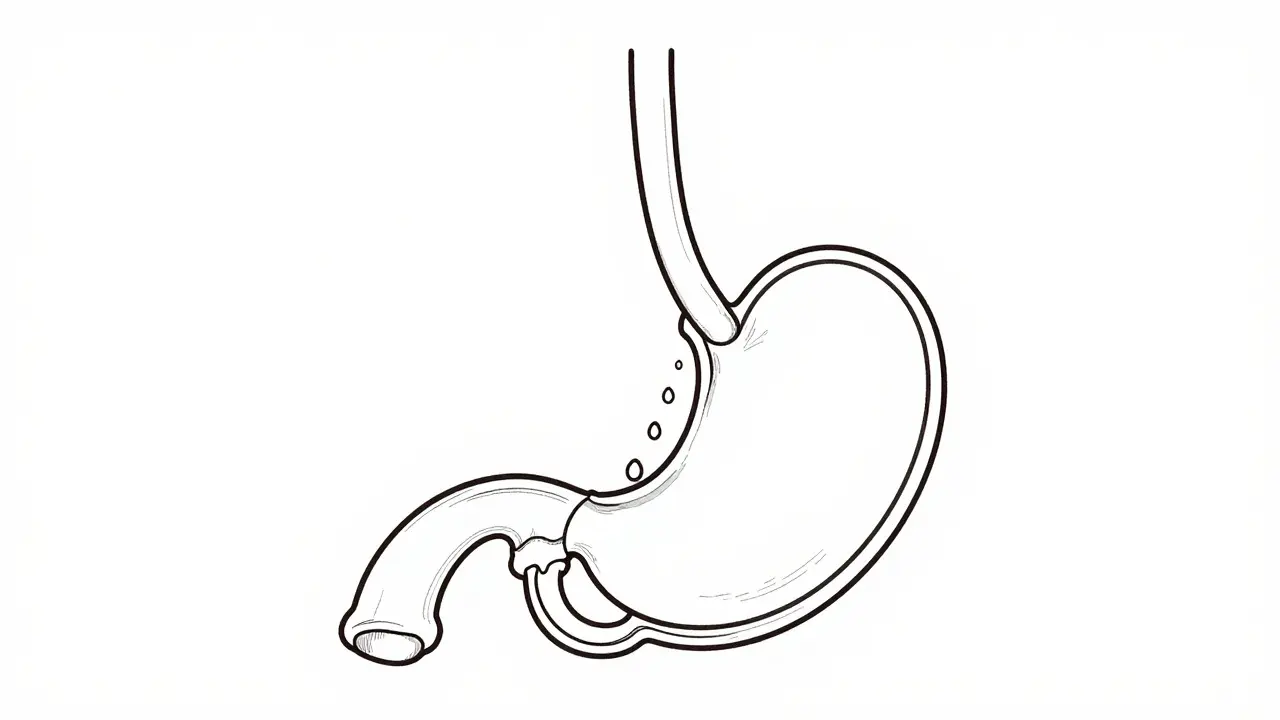
Step Three: Proton Pump Inhibitors (PPIs)
For severe, persistent heartburn that doesn't respond to antacids or H2 blockers, doctors may prescribe Proton Pump Inhibitors (PPIs). These are the heavy hitters. They irreversibly block the enzyme system in your stomach cells that actually pumps acid out. This provides the strongest acid suppression available, lasting 24 hours or more.
Omeprazole (Prilosec) is the most studied PPI in pregnancy. Lansoprazole (Prevacid) and pantoprazole (Protonix) are also used. While early studies raised minor concerns about links to childhood asthma or cleft palate, large-scale reviews since then have largely reassured us that the risks are negligible compared to the benefit of treating severe maternal distress. Untreated severe GERD can lead to poor nutrition and sleep deprivation, which harms both mom and baby.
However, PPIs are not casual fixes. They require a prescription in many cases and should only be taken if your doctor says the benefits outweigh the theoretical risks. Do not self-medicate with PPIs without consulting your OB/GYN.
What to Avoid: The Danger Zone
Not everything on the shelf is safe. Some common remedies contain ingredients that can harm fetal development or cause bleeding issues.
- Pepto-Bismol: Contains bismuth subsalicylate, which is related to aspirin. Aspirin can cause bleeding problems and affect fetal circulation. Avoid this entirely.
- High-Sodium Antacids: Products with sodium bicarbonate can spike your blood pressure and cause swelling.
- Herbal Supplements: Many "natural" teas or supplements lack rigorous safety testing in pregnancy. Stick to FDA-approved medications.
Lifestyle Tweaks That Actually Work
Medication helps, but lifestyle changes reduce the need for it. Try these strategies:
- Eat Small, Frequent Meals: A huge dinner stretches your stomach and increases pressure. Five small meals are better than three big ones.
- Stay Upright After Eating: Gravity is your friend. Wait at least 3 hours after eating before lying down or going to bed.
- Sleep Elevated: Use wedge pillows or raise the head of your bed by 6-8 inches. Extra pillows alone often don't work because they bend your neck rather than elevating your torso.
- Identify Triggers: Spicy foods, fried foods, chocolate, caffeine, and mint can relax the LES further. Keep a food diary to see what triggers your burn.
When to Call Your Doctor
Heartburn is normal, but it shouldn't be unbearable. Contact your healthcare provider if:
- You have trouble swallowing or pain when swallowing.
- You experience unexplained weight loss.
- Your stool is black or tarry (a sign of bleeding).
- Over-the-counter antacids provide no relief after a few days.
- You feel chest pain that radiates to your arm or jaw (to rule out cardiac issues, though rare in young pregnant women).
Can I take Tums every day while pregnant?
Yes, Tums (calcium carbonate) is generally safe for daily use during pregnancy. However, stick to the recommended dosage on the label (usually 500-1500 mg per dose) to avoid excessive calcium intake, which can cause kidney stones or interfere with iron absorption. Always check with your doctor if you are taking iron supplements, as calcium blocks iron uptake.
Are H2 blockers safer than PPIs in pregnancy?
Both are considered safe, but H2 blockers like famotidine (Pepcid) are typically tried before PPIs because they have a longer history of use and slightly fewer theoretical long-term side effects. PPIs are reserved for more severe cases where H2 blockers fail.