Have you ever enjoyed a piece of black licorice candy, sipped on licorice tea, or taken a herbal supplement labeled "licorice root" while also taking medication for high blood pressure? If so, you might be at risk for a serious, often overlooked interaction that can make your blood pressure medication less effective-or even dangerous.
How Licorice Affects Your Blood Pressure
Licorice root contains a compound called glycyrrhizin, which is responsible for its sweet flavor. But glycyrrhizin doesn’t just taste sweet-it acts like a hormone in your body. Specifically, it mimics aldosterone, a natural hormone that tells your kidneys to hold onto salt and water while flushing out potassium.
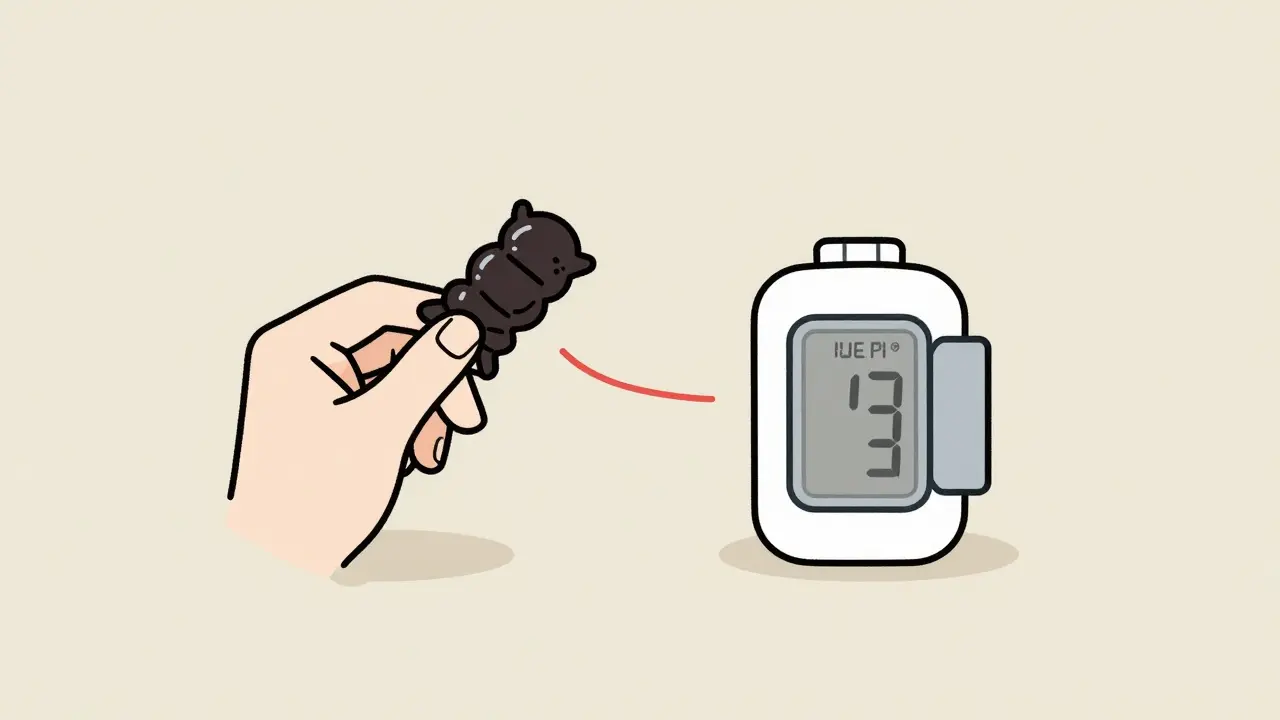
This sounds harmless until you realize what that does to your blood pressure. More salt and water in your bloodstream means higher blood volume, which raises your blood pressure. At the same time, losing potassium can cause muscle weakness, irregular heartbeat, and even heart rhythm problems. This effect isn’t mild-it’s measurable. Studies show that people who consume more than 100 mg of glycyrrhizin per day (about 60-70 grams of licorice candy) experience an average increase of 5.5 mmHg in systolic blood pressure and nearly 2 mmHg in diastolic pressure.
That might not sound like much, but for someone already struggling to control hypertension, that small rise can be enough to undo weeks of medication work. And it’s not just about candy. Licorice is also found in herbal teas, supplements, and even some tobacco products. Many people don’t realize they’re consuming it.
Why It Interferes With Blood Pressure Medications
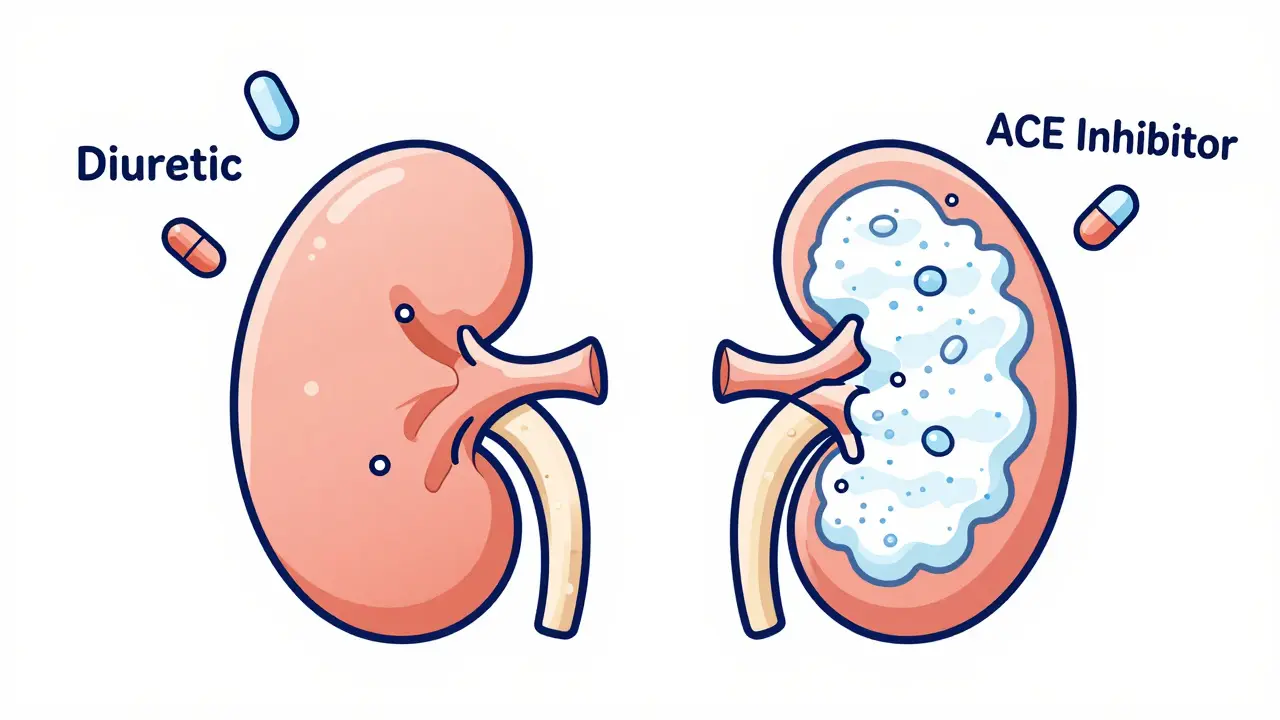
Most blood pressure medications work by helping your body get rid of extra fluid or relaxing your blood vessels. But licorice does the opposite. It makes your body hold onto fluid and lose potassium. That’s why it directly fights against the effects of:
- Diuretics (like hydrochlorothiazide or furosemide): These are meant to flush out salt and water. Licorice makes your body hold onto them, reducing the drug’s effectiveness.
- ACE inhibitors (like lisinopril or captopril): These lower blood pressure by relaxing blood vessels and reducing fluid buildup. Licorice increases fluid, making these drugs work harder-or not at all.
- Potassium-sparing diuretics (like spironolactone): These are designed to keep potassium levels up. Licorice drains potassium, creating a dangerous imbalance.
- Digoxin (Lanoxin): This heart medication becomes dangerously toxic when potassium levels drop too low. Licorice can trigger digoxin toxicity, leading to heart failure-even in people who’ve taken it safely for years.
The mechanism behind this is well-documented: glycyrrhizin breaks down into glycyrrhetic acid, which blocks an enzyme in your kidneys called 11β-HSD2. Normally, this enzyme protects your body from being overstimulated by cortisol (a stress hormone). When it’s blocked, cortisol acts like aldosterone-and that’s what causes the salt retention and potassium loss.
Who’s Most at Risk
Not everyone who eats licorice will have problems. But certain groups are far more vulnerable:
- People over 60: Aging kidneys are less able to handle the extra sodium load.
- Women: Studies show women are more sensitive to glycyrrhizin’s effects, even at lower doses.
- People with existing hypertension: If your blood pressure is already hard to control, licorice can push it out of range.
- Those with heart disease or kidney problems: These conditions make your body less able to compensate for fluid and electrolyte shifts.
One case study published in Cardiology followed an older man who developed congestive heart failure after taking a herbal laxative containing licorice. He was on digoxin. His potassium dropped to 2.8 mmol/L (normal is 3.5-5.0). He needed emergency treatment. He didn’t know the laxative contained licorice.
How Much Is Too Much?
The safe limit? 100 mg of glycyrrhizin per day. That’s the threshold recognized by health agencies worldwide, including Medsafe in New Zealand and the Merck Manual.
But here’s the catch: you can’t tell how much glycyrrhizin is in most products. A single piece of black licorice candy can contain 5-15 mg of glycyrrhizin. So eating 10 pieces a day puts you over the limit. Licorice tea? One cup can have 10-30 mg. Supplements? Some contain 100-200 mg per serving.
And here’s another problem: many products labeled "licorice" don’t actually contain glycyrrhizin. In the U.S., most red licorice is flavored with anise, not licorice root. But black licorice? It’s often real. And herbal supplements? They’re rarely labeled clearly. The FDA doesn’t require manufacturers to list glycyrrhizin content.
Signs You Might Be Having a Reaction
If you’re taking blood pressure meds and start noticing these symptoms, stop eating licorice and talk to your doctor:
- Unexplained rise in blood pressure (even if you’ve been taking meds regularly)
- Muscle weakness, cramps, or fatigue
- Irregular heartbeat or palpitations
- Swelling in your legs or ankles (edema)
- Feeling unusually tired or sluggish
Doctors can test for this. A blood test showing low potassium (below 3.5 mmol/L) combined with high cortisol and low aldosterone levels is a classic sign of licorice-induced pseudoaldosteronism. Your blood pressure might drop quickly once you stop consuming licorice-sometimes within days.
What to Do Instead
If you enjoy the taste of licorice, you have options:
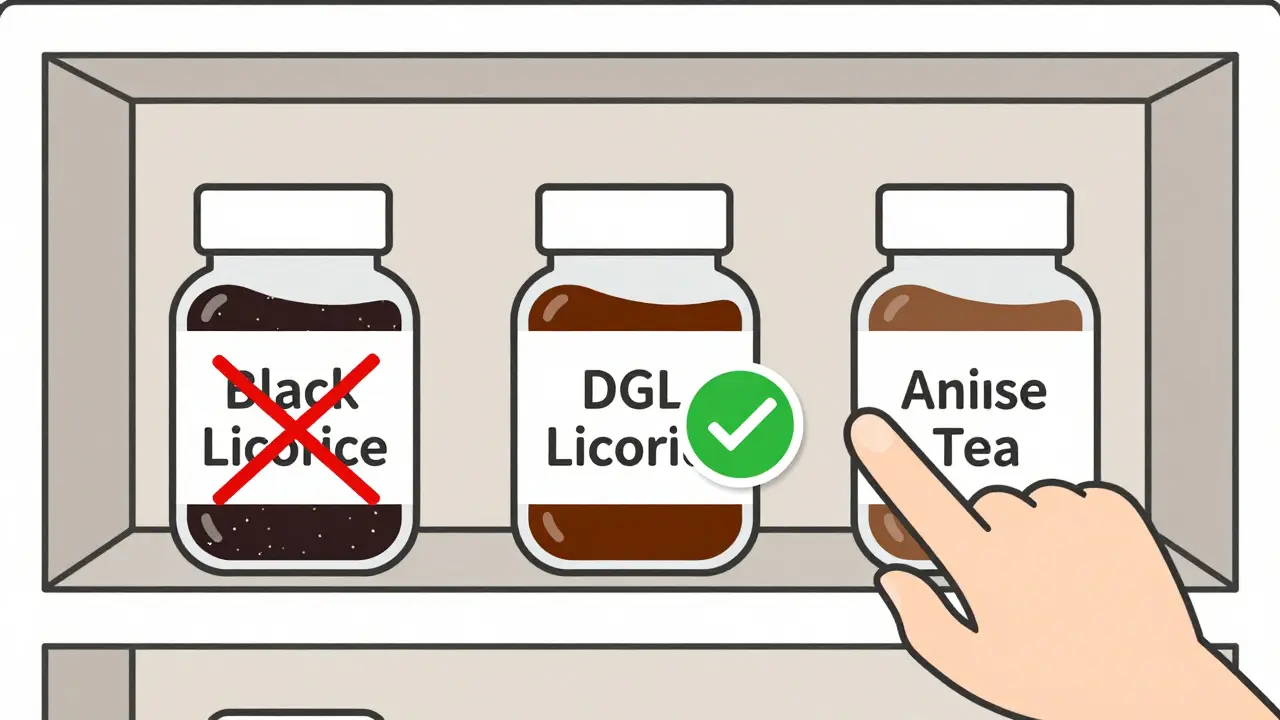
- Choose deglycyrrhizinated licorice (DGL): This is licorice with the glycyrrhizin removed. It’s used for digestive issues and doesn’t affect blood pressure.
- Read labels carefully: Look for "anise flavor" instead of "licorice root extract." Avoid anything that says "Glycyrrhiza glabra" or "licorice root."
- Ask your pharmacist: If you’re taking a supplement, ask if it contains licorice root. Most won’t know-but it’s worth asking.
- Switch to alternatives: Try herbal teas like chamomile, peppermint, or rooibos. They’re naturally sweet and safe.
And if you’ve been consuming licorice regularly and are on blood pressure medication, don’t just cut back-talk to your doctor. They may want to check your potassium levels and adjust your meds.
Bottom Line
Licorice isn’t just a candy. It’s a powerful bioactive substance that can interfere with your medications in ways you can’t see or feel until it’s too late. For people with high blood pressure, even small amounts over time can undo the benefits of their treatment. The science is clear: if you’re on blood pressure medication, avoid licorice root in all its forms-candy, tea, or supplements-unless it’s labeled as deglycyrrhizinated.
Your blood pressure is too important to risk. A few pieces of candy aren’t worth a hospital visit.
Can I eat licorice if I’m on blood pressure medication?
No, if you’re taking medication for high blood pressure, you should avoid licorice root products that contain glycyrrhizin. Even small daily amounts can raise your blood pressure and lower your potassium, making your meds less effective. Stick to deglycyrrhizinated licorice (DGL) if you want the flavor without the risk.
How much licorice is dangerous?
Consuming more than 100 mg of glycyrrhizin per day is considered unsafe for people on blood pressure medication. That’s roughly 60-70 grams of black licorice candy-about 2-2.5 ounces. But some people react to much less, especially older adults or women. If you’re unsure, avoid it entirely.
Is red licorice safe?
Yes, most red licorice in the U.S. is flavored with anise or artificial flavors and does not contain licorice root or glycyrrhizin. But always check the ingredients. If it says "licorice extract" or "Glycyrrhiza glabra," avoid it.
Can licorice affect my potassium levels?
Yes. Glycyrrhizin causes your kidneys to excrete potassium, which can lead to hypokalemia (low potassium). Levels below 3.5 mmol/L can cause muscle weakness, heart palpitations, and even dangerous heart rhythms-especially if you’re also taking diuretics or digoxin.
What should I do if I’ve been eating licorice and my blood pressure is high?
Stop consuming licorice immediately and contact your doctor. They may check your potassium levels, blood pressure, and kidney function. In many cases, blood pressure returns to normal within a few days after stopping licorice. Don’t wait-this interaction can lead to serious complications like heart failure or arrhythmias.
Are there any safe herbal alternatives to licorice?
Yes. Herbal teas like chamomile, peppermint, rooibos, or ginger are naturally sweet and don’t interfere with blood pressure meds. If you’re using licorice for digestion, ask your doctor about deglycyrrhizinated licorice (DGL), which removes the problematic compound while keeping the soothing properties.
Comments
14 Comments
Arjun Seth
So let me get this straight-you’re telling me that my favorite childhood candy is secretly a slow-motion heart attack? And I thought sugar was the enemy. Turns out, it’s not the candy that’s bad, it’s the people who don’t read labels. I mean, come on. If you can’t spell glycyrrhizin, maybe you shouldn’t be eating it. This isn’t rocket science. It’s biology. And if you’re on BP meds, you’re not a casual snacker-you’re a patient. Act like it.
Ayush Pareek
I appreciate this breakdown so much. I’ve been on lisinopril for years and never even knew licorice could do this. My grandma used to make licorice tea for her stomach-now I know why she always had low potassium. I’ll be switching to chamomile from now on. Thanks for the clarity. You just saved someone from a hospital trip.
Sarah Mailloux
Red licorice is fine. Just don’t eat the black stuff. And if you’re not sure? Skip it. Simple. Done.
Nilesh Khedekar
Oh, so now we’re blaming candy for poor medical literacy? Brilliant. Let’s ban sugar too, while we’re at it. I mean, why not? People are dumb. But hey, I’m not surprised-the FDA doesn’t even require glycyrrhizin labeling. So who’s really at fault here? The consumer? Or the system that lets dangerous ingredients slip through like they’re just ‘flavoring’? Wake up. This isn’t about candy. It’s about corporate negligence.
Jan Hess
Big thanks for this post. I’ve been on spironolactone for years and had no idea licorice tea was a problem. I used to drink it daily for ‘digestive support.’ I’m done with it. Switched to peppermint-tastes better anyway. You guys are the reason I keep coming back to this sub. Real info, no fluff.
Jaspreet Kaur Chana
Look, I’m from India and we’ve been using licorice root in chai and Ayurvedic remedies for centuries. But here’s the thing-our grandparents didn’t have high blood pressure meds. They didn’t need them. Now we’re on pills, we’re mixing ancient remedies with modern science, and boom-collisions happen. It’s not that licorice is evil, it’s that we’re throwing it into a system it wasn’t designed for. We need better education, not just fear. Maybe pharmacists should be trained to ask, ‘Do you consume licorice?’ like they ask about grapefruit. It’s that simple. But they don’t. And that’s the real problem.
Haley Graves
My mom had a potassium crash last year. Turns out she was drinking licorice tea for ‘stress relief.’ She thought it was ‘natural’ so it was safe. She ended up in the ER with a heart flutter. Don’t let this be you. If your meds say ‘watch your potassium,’ then watch everything you put in your mouth. Even if it’s ‘just tea.’
Gloria Montero Puertas
How is it even possible that this isn’t a black-box warning on every licorice product? The FDA is asleep at the wheel. This isn’t a ‘warning’-it’s a public health failure. People are dying because corporations care more about profit than labeling. And the worst part? The same companies that sell licorice root supplements also lobby against regulation. This isn’t negligence-it’s malice disguised as tradition.
Tom Doan
Interesting. The mechanism described-11β-HSD2 inhibition-is well-documented in endocrinology literature. I’ve seen case reports in the Journal of Clinical Endocrinology & Metabolism where patients developed severe hypokalemia after consuming licorice-containing herbal remedies. The irony? Many of these patients were prescribed potassium supplements, which failed to correct the imbalance until licorice was removed. The body doesn’t ‘adapt’ to this. It just breaks.
Frank Geurts
It is of paramount importance to underscore that the consumption of glycyrrhizin-containing substances, irrespective of their form-be it confectionery, herbal infusion, or dietary supplement-constitutes a significant pharmacological risk to individuals under pharmacological management of hypertension. The biochemical pathway involving 11β-HSD2 inhibition is not merely theoretical; it is clinically validated, reproducible, and, in certain demographics, dose-dependent with a low threshold for adverse outcomes. Therefore, it is incumbent upon healthcare providers and patients alike to exercise rigorous diligence in the identification and elimination of such substances from the diet. One must not underestimate the cumulative effect of daily exposure.
Annie Choi
As a pharmacist, I’ve seen this 3x this month. Patients come in with BP spikes, low K+, and say, ‘I just had a few pieces of licorice.’ I don’t even ask anymore. I just say: ‘Stop. Now. Come back in 3 days for labs.’ It’s that fast. DGL is the only safe option. And if you’re taking digoxin? Don’t even think about it. The risk/reward is zero.
Mike Berrange
Wait-so you’re saying I can’t have licorice anymore? But I’ve been eating it since I was 5. What’s next? Are you gonna tell me not to breathe? This is just another fear-mongering article by people who don’t know what real life is. My grandfather lived to 92 and ate licorice every day. He never even had a doctor. Maybe the real problem is overmedicating people in the first place.
Dan Mack
They don’t want you to know this. Licorice is natural. Big Pharma hates it. That’s why they don’t label it. The FDA is in their pocket. They want you dependent on pills. But if you stop the licorice, your body heals. That’s why they’re scared. I stopped eating licorice and my BP dropped 20 points. Coincidence? Nah. It’s a cover-up. And they’re gonna make you pay for the truth.
Amy Vickberg
Thank you for writing this. I’ve been on lisinopril for 8 years and never knew. I used to love licorice tea. I’ve switched to rooibos now-it’s just as soothing. I’m glad I didn’t wait until something bad happened. Knowledge is power. And this is power you can actually use.
Write a comment