Missed Dose Decision Assistant
Waiting for Input
Select your medication and enter the time elapsed to see what you should do.
It happens to the best of us. You wake up, rush out the door, and realize an hour later that you left your morning pill on the kitchen counter. Panic sets in. Do you take it now? Skip it? Take two to make up for it? Getting this wrong can be dangerous, but getting it right is often simpler than you think.
Missing a dose is incredibly common. Research shows that nearly half of adults on long-term medications struggle with consistency. The consequences range from minor inconvenience to serious health risks, depending entirely on what you are taking. There is no single rule for every medicine. Instead, you need a clear decision tree based on the type of medication in your hand.
The Golden Rule: When in Doubt, Skip
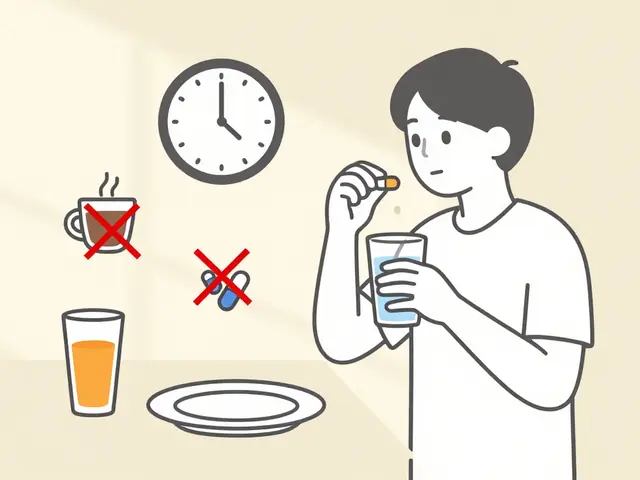
Before we dive into specific drugs, there is one universal principle that applies to almost everything. If more than half the time until your next dose has passed, skip the missed one. For example, if you take a pill twice a day (every 12 hours) and remember it 7 hours late, do not take it. Just wait for your next scheduled dose.
Never double up unless explicitly told otherwise by a doctor or pharmacist. Doubling doses is the leading cause of preventable hospitalizations related to missed meds. It spikes drug levels in your blood, which can lead to toxicity, organ damage, or severe side effects. The Scottish Patient Safety Programme confirms that doubling should be avoided for over 99% of medications.
Heart and Blood Pressure Medications
Cardiovascular drugs are tricky because they manage life-threatening conditions, but many have wide therapeutic windows. This means missing one dose is rarely catastrophic, but timing matters.
- Beta-blockers (e.g., Metoprolol): If you remember within 4 hours of your usual time, take it. If it’s closer to your next dose, skip it. Taking them too close together can slow your heart rate dangerously (bradycardia).
- ACE Inhibitors (e.g., Lisinopril): These are slightly more forgiving. If you remember it, take it unless it’s very close to your next dose. However, avoid taking it late at night if it makes you dizzy, as you might fall when getting up to use the bathroom.
- Diuretics (e.g., Furosemide): Timing is critical here to avoid waking up all night to pee. If you miss your morning dose, take it only if it is before 2 PM. After that, skip it to protect your sleep.
- Antiarrhythmics (e.g., Amiodarone): These have narrow margins for error. Missing even one dose requires calling your cardiologist immediately. Do not guess with these.
Blood Thinners (Anticoagulants)
This category demands strict adherence because the goal is to prevent clots without causing bleeding. The rules differ sharply between older and newer drugs.
Warfarin is an older anticoagulant that requires careful monitoring. NHS guidelines are clear: if you miss a dose and remember before midnight, take it. If you remember after midnight, skip it completely. Never take a double dose to "catch up." Your INR levels could swing wildly, increasing bleeding risk.
For newer Direct Oral Anticoagulants (DOACs) like Apixaban or Rivaroxaban, the window is tighter. If you remember within 6 hours of your scheduled time, take it. If more than 6 hours have passed, skip the missed dose and resume your normal schedule the next day.
Diabetes Medications
Diabetes drugs are classified as "RED FLAG" medications by public health agencies because errors can lead to rapid, life-threatening changes in blood sugar. Hypoglycemia (low blood sugar) is the immediate danger.
- Rapid-Acting Insulin (e.g., Humalog): These must be taken within 15 minutes of eating. If you missed it and haven’t eaten yet, take it before your meal. If you already ate, do not take it later; you risk crashing your blood sugar after digestion slows down.
- Long-Acting Insulin (e.g., Lantus): If you are more than 2 hours late, contact your healthcare provider. Do not just inject it, as the timing affects how well it covers your baseline needs for the next 24 hours.
- Oral Meds (Metformin): Relatively safe. If you remember within 2 hours, take it. If not, skip it. No catch-up needed.
- Sulfonylureas (e.g., Glipizide): These stimulate insulin production. If you miss a dose, skip it. Taking it late can cause hypoglycemia, especially if you aren’t eating at that unusual time.
Seizure Medications (Antiepileptics)
Consistency is key for seizure control. Missing a dose lowers the threshold for a seizure. Studies show that missing just one dose of drugs like Levetiracetam or Valproate increases seizure risk significantly.
If you remember within 50% of your dosing interval (for example, within 6 hours for a twice-daily med), take it immediately. If it is closer to your next dose, skip it to avoid toxicity. If you miss two doses in a row, call your neurologist right away. Do not double up, as high levels of antiepileptics can cause dizziness, confusion, and coordination problems.
Hormonal Contraceptives: The Exception
Birth control pills are one of the few exceptions where doubling up is sometimes required. But the rules depend on whether you missed one pill or several.
If you miss one active pill, take it as soon as you remember, even if that means taking two pills in one day. Then take your next pill at the usual time. Use backup contraception (like condoms) for the next 7 days to be safe.
If you miss two or more active pills, the situation is more complex. Take the most recent missed pill immediately, discard any other missed pills, and continue taking one pill daily. Use backup contraception for 7 days. If this happened in the first week of your pack and you had unprotected sex in the last 5 days, consider emergency contraception. Always check the specific leaflet for your brand, as progestin-only pills (the "mini-pill") have stricter, shorter windows (often just 3 hours).
Antibiotics
People often stop antibiotics early when they feel better, which fuels resistance. If you miss a dose, try to keep the schedule intact.
For common antibiotics like Penicillin or Amoxicillin, take the missed dose if you remember within 2 hours. If it’s been longer, skip it. Do not double up. For stronger, concentration-dependent antibiotics like Aminoglycosides, missing a dose requires calling your doctor, as blood levels need to be monitored precisely.
Mental Health Medications
Psychotropic drugs vary widely. SSRIs like Sertraline have long half-lives, meaning they stay in your system longer. Missing one dose usually doesn’t require catch-up. Just resume your normal schedule.
However, MAOIs (like Phenelzine) are different. Missing a dose and then restarting incorrectly can trigger a hypertensive crisis (dangerously high blood pressure). If you miss an MAOI dose, contact your provider before taking anything. Antipsychotics also carry a risk of rebound symptoms if missed repeatedly, so consistency is vital.
| Medication Type | Action if Remembered Early | Action if Close to Next Dose | Double Up? |
|---|---|---|---|
| Most Daily Pills | Take it | Skip it | No |
| Warfarin | Take if before midnight | Skip if after midnight | Never |
| DOACs (Apixaban) | Take if within 6 hours | Skip if >6 hours | No |
| Insulin (Rapid) | Take before meal | Skip if meal eaten | No |
| Birth Control (Combined) | Take immediately | Continue schedule | Yes (for 1 missed pill) |
| Seizure Meds | Take if within 50% interval | Skip | No |
How to Prevent Future Misses
Knowledge helps, but habits save lives. Technology has made adherence easier than ever. Smartphone apps like Medisafe remind you to take pills and track your history. Studies show these tools can reduce missed doses by over 30%. Simple physical tools like weekly pill organizers also work wonders, especially for seniors managing multiple prescriptions.
If you find yourself frequently missing doses, talk to your pharmacist. They can often switch you to a once-daily formulation or suggest timing adjustments that fit your lifestyle better. Don’t rely on vague advice from package inserts; ask for a personalized plan.
What should I do if I miss two doses in a row?
If you miss two consecutive doses of any medication, especially high-alert drugs like insulin, warfarin, or seizure medications, contact your healthcare provider immediately. Do not try to self-correct with double doses. Your body may have already reacted to the lack of medication, and you may need medical assessment before resuming.
Can I take my evening pill in the morning if I forgot it?
It depends on the drug. For many daily medications, shifting the time by a few hours occasionally is fine. However, for diuretics, taking them late can disrupt sleep. For sedatives or certain blood pressure meds, taking them too early might cause dizziness during the day. When in doubt, stick to the "skip if close to next dose" rule to maintain a consistent rhythm.
Why shouldn't I double up on most medications?
Doubling up creates a toxic spike in your bloodstream. Most drugs have a "therapeutic window"-a safe range where they work effectively. Exceeding this upper limit can cause organ stress, severe side effects, or acute toxicity. For example, doubling on beta-blockers can stop your heart, and doubling on diabetes meds can cause fatal low blood sugar.