- by John Reints
- Jul 17 2026
How to Read Pharmacy Allergy Alerts and What They Mean
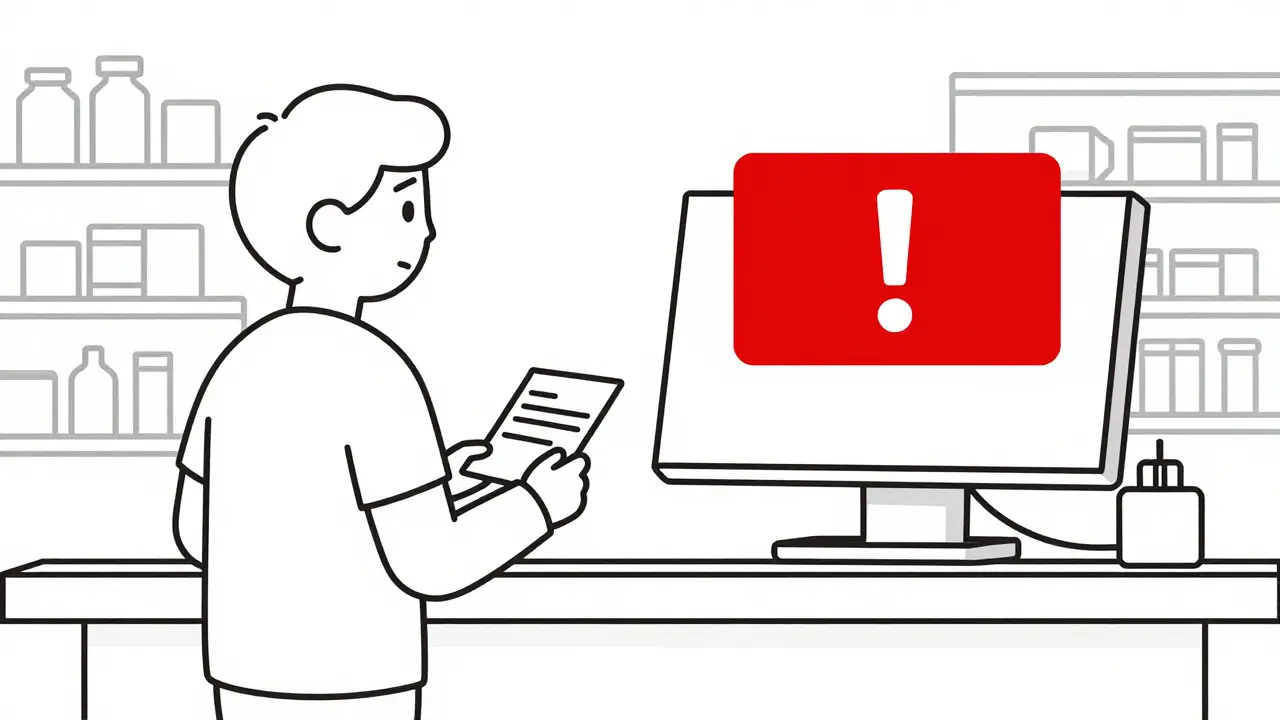
Learn how to interpret pharmacy allergy alerts, distinguish between true allergies and side effects, and manage alert fatigue to ensure safer medication management.
Learn how to interpret pharmacy allergy alerts, distinguish between true allergies and side effects, and manage alert fatigue to ensure safer medication management.
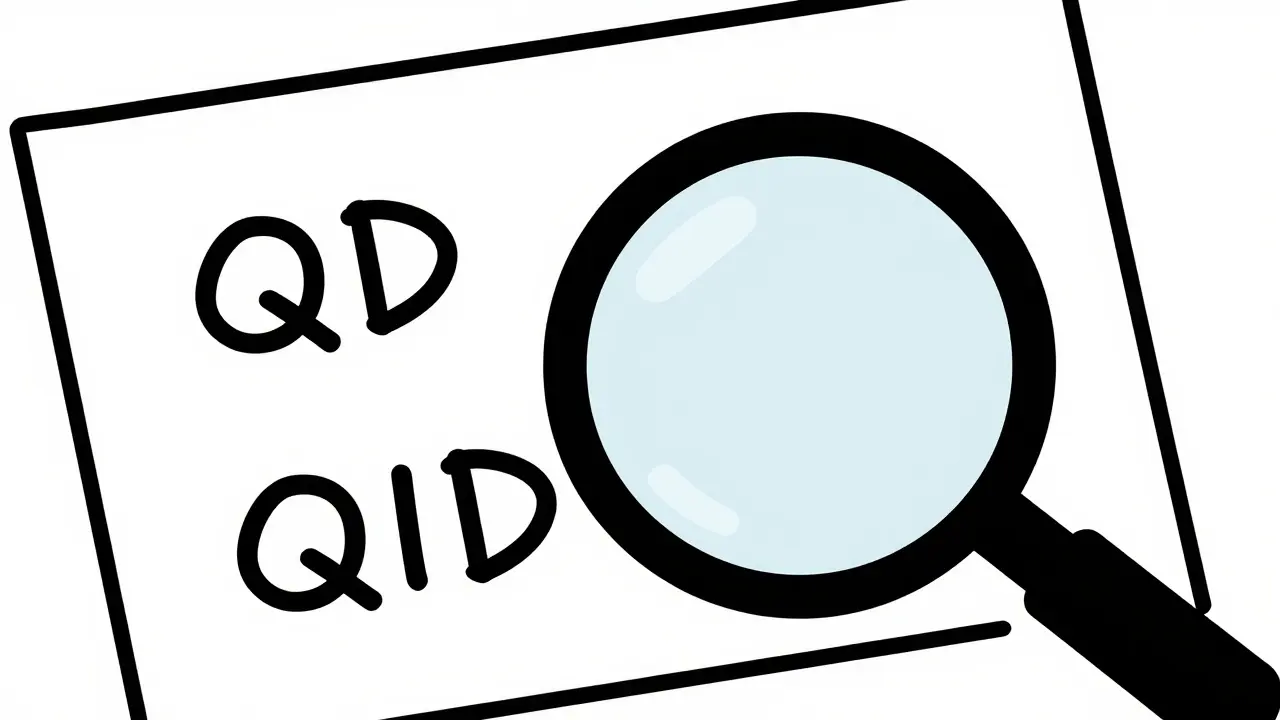
Discover why QD vs QID prescription confusion causes dangerous medication errors. Learn how to prevent these life-threatening mistakes with plain language and safety checks.
Missed a pill? Find out exactly what to do based on your medication type. This guide provides a clear decision tree for heart meds, insulin, birth control, and more to keep you safe.
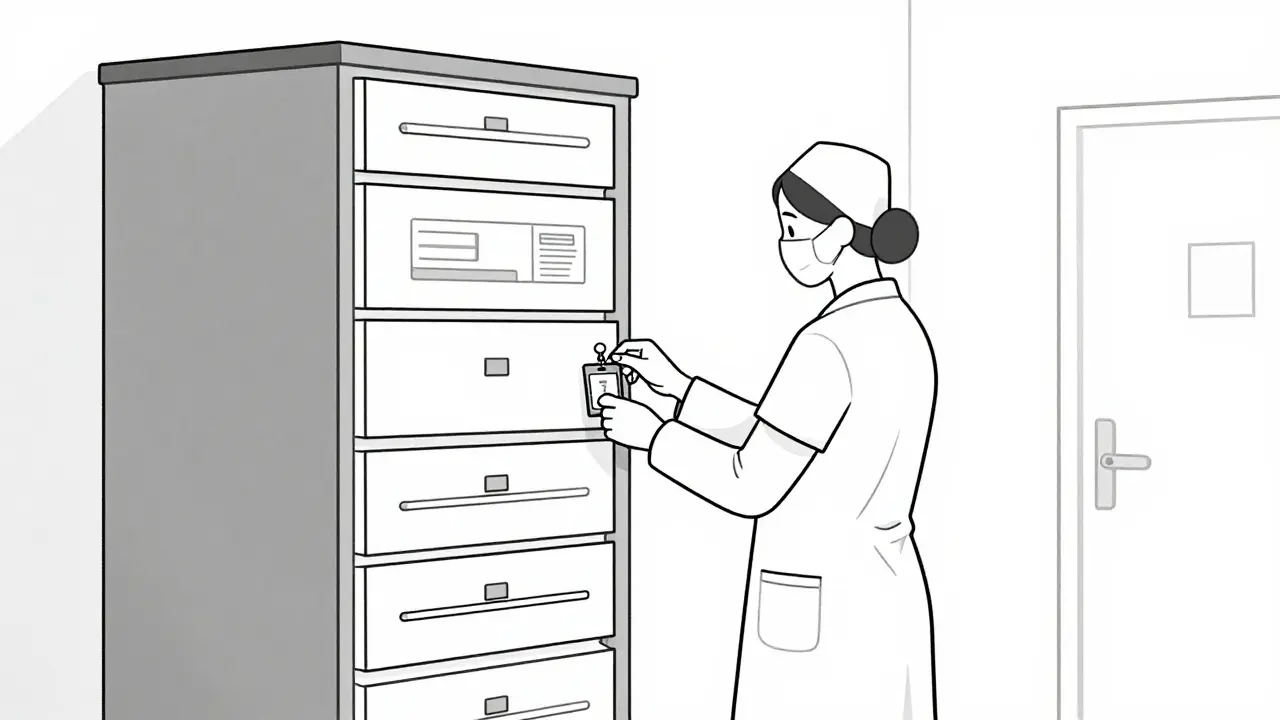
Learn how to use Automated Dispensing Cabinets safely in clinics. Discover core safety processes, override management, and stocking strategies to prevent medication errors.
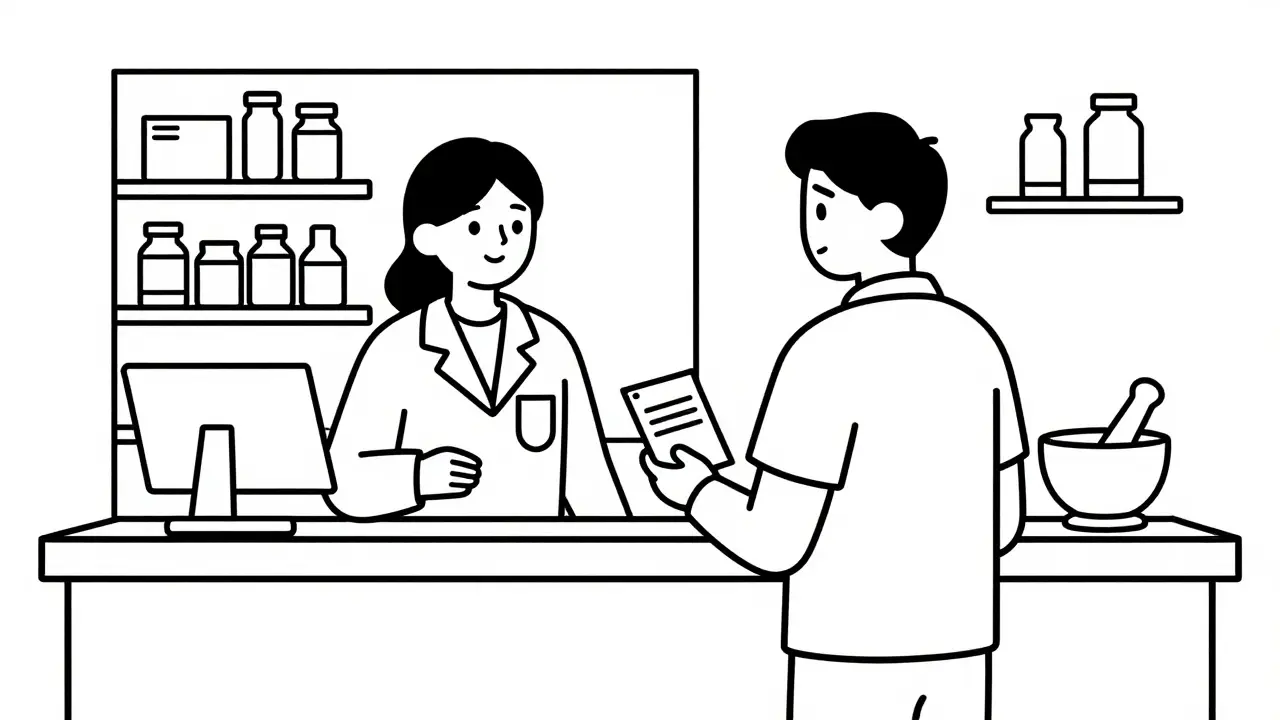
Discover the top medication safety questions to ask at the pharmacy counter. Learn how to prevent errors, understand interactions, and manage side effects effectively with expert tips.
Learn how high-dose biotin supplements can cause false lab results for thyroid and heart tests, leading to dangerous misdiagnoses and the steps to stay safe.
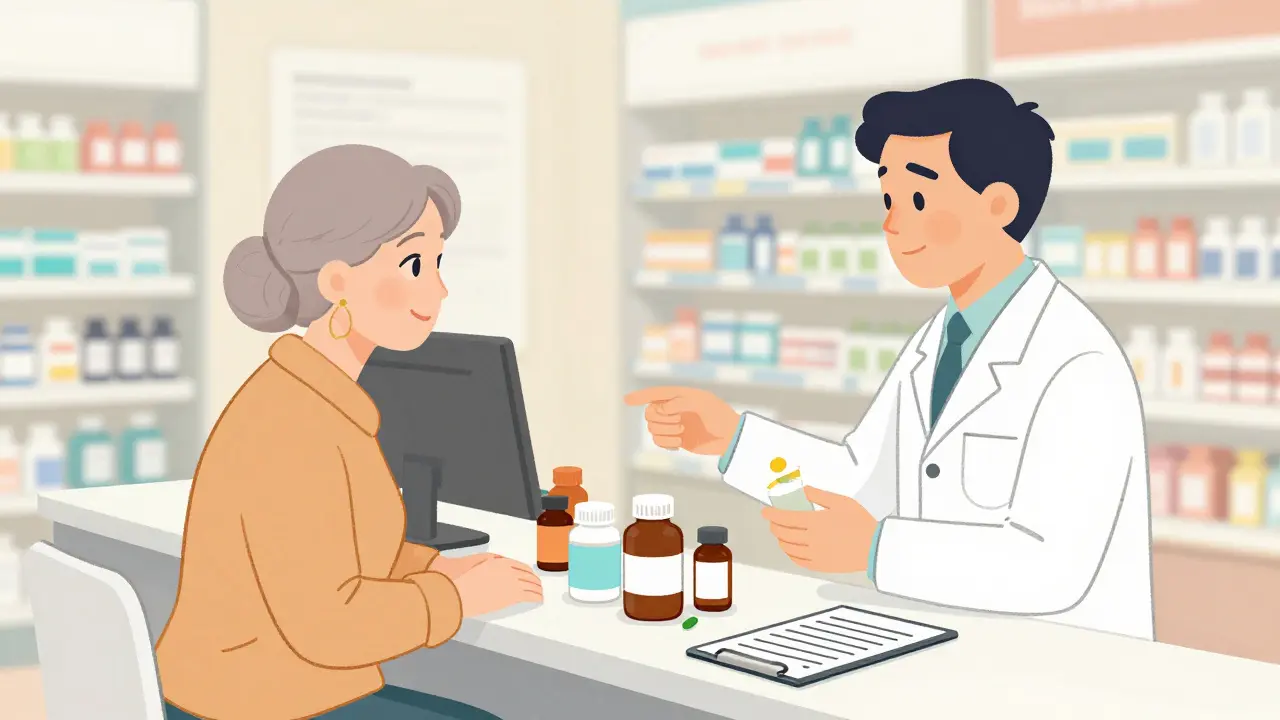
An Annual Medication Review with a pharmacist helps reduce side effects, stop unnecessary drugs, and prevent dangerous interactions. It’s free for Medicare patients and can cut hospital visits by 30%.

Studies show telepharmacy matches traditional pharmacies in safety and reduces medication errors, especially in rural areas. It improves access, cuts wait times, and prevents hospitalizations-but tech limits and training gaps remain challenges.
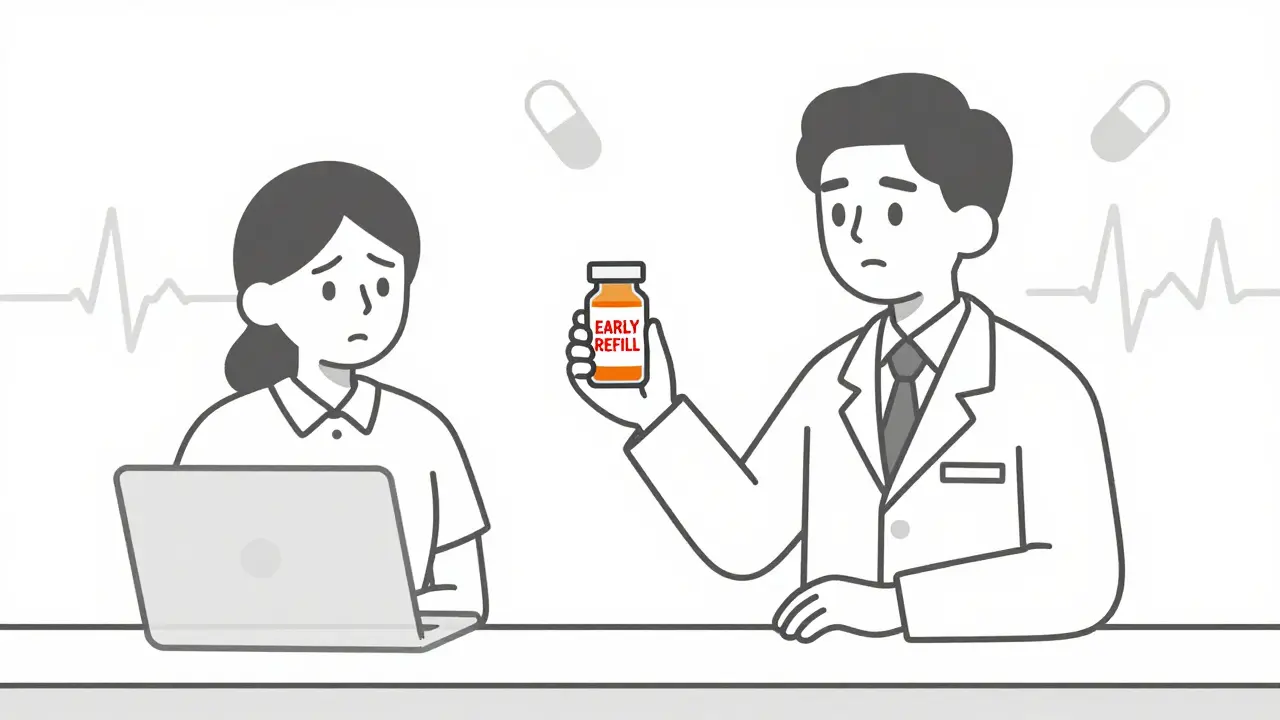
Learn how pharmacists and healthcare teams can prevent dangerous early refills and duplicate therapy mistakes using clear protocols, technology, and patient-centered communication to improve medication safety.
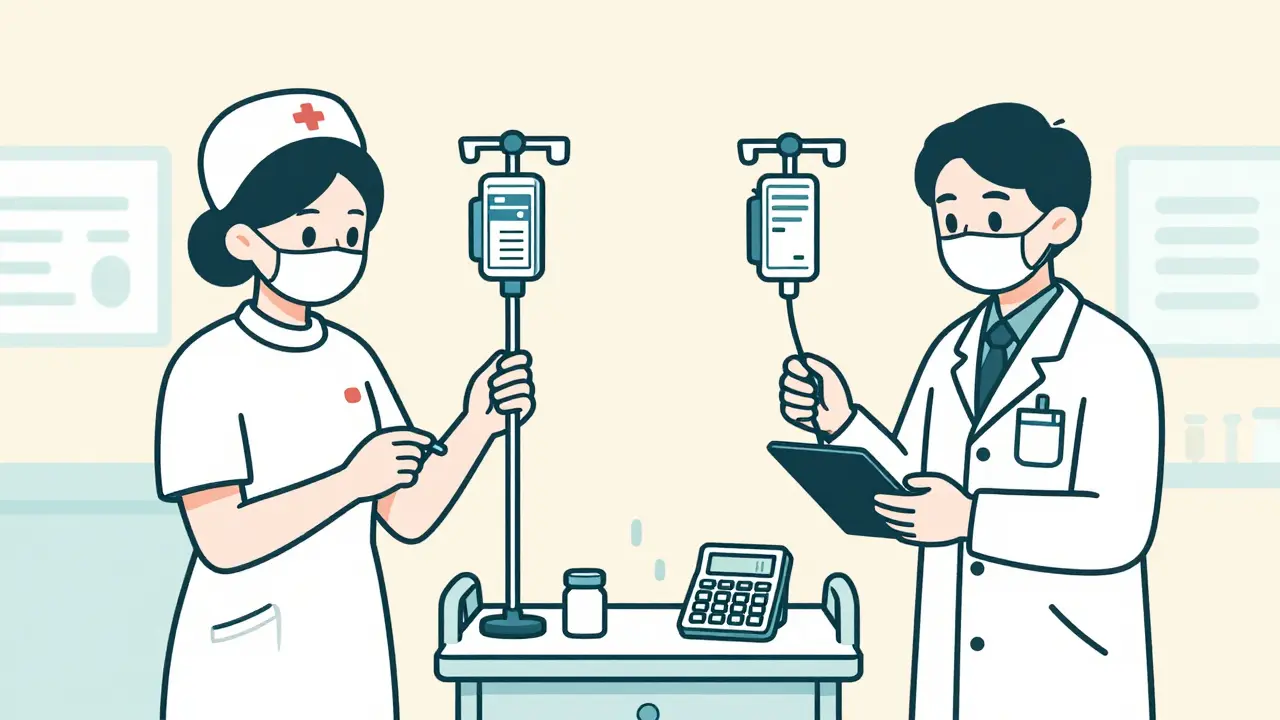
Learn how to identify high-alert medications that require independent double checks to prevent deadly medication errors. Understand which drugs are most dangerous, how to do a real double check, and why technology is changing safety protocols.
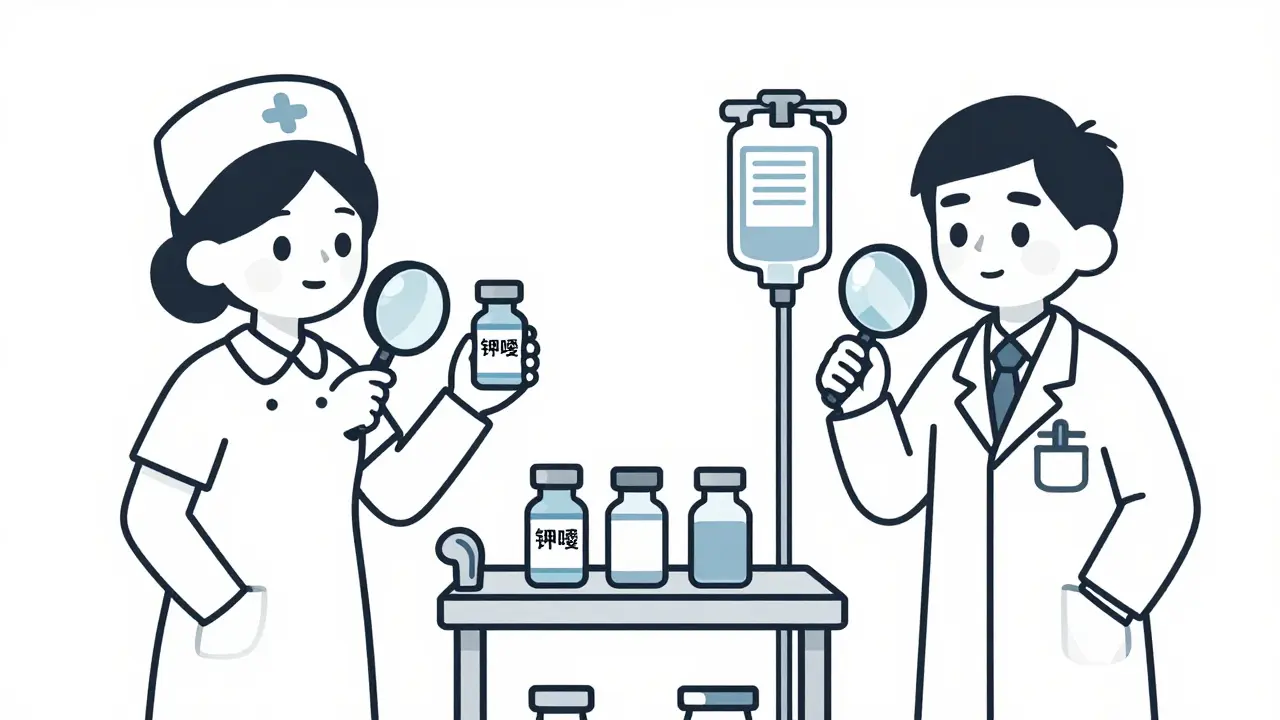
High-risk medications like IV insulin, heparin, and chemotherapy require strict double-check procedures to prevent deadly errors. Learn which drugs need extra verification, how to do it right, and why shortcuts can cost lives.
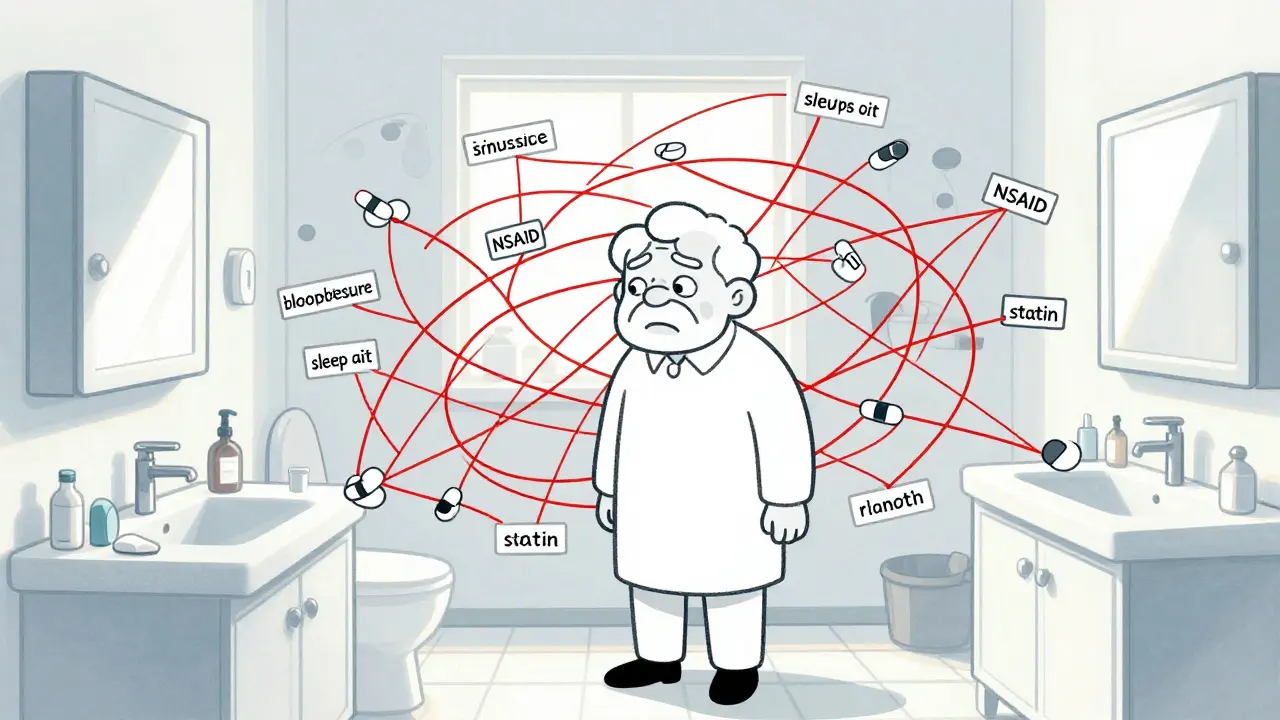
Polypharmacy in older adults increases the risk of dangerous drug interactions and falls. Learn how deprescribing-carefully reducing unnecessary medications-can improve safety, quality of life, and long-term health for seniors.