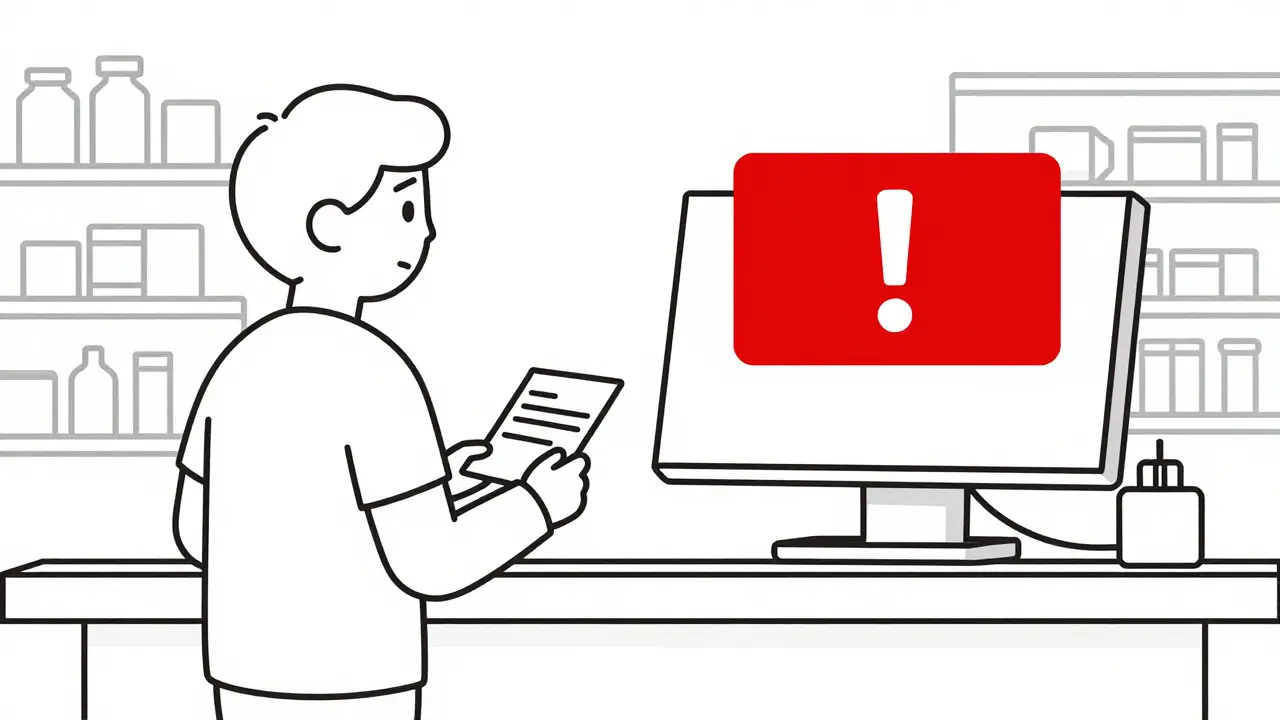
You walk into the pharmacy, hand over your prescription, and watch the pharmacist’s screen light up. A red box pops up. An alarm might even sound. Your heart skips a beat. Is this life-threatening? Did you miss something in your medical history?
Pharmacy allergy alerts are designed to save lives by catching dangerous drug interactions before they happen. But here is the uncomfortable truth: most of these alerts are false alarms. In fact, research shows that nearly 90% of drug allergy alerts are triggered by cross-reactivity concerns rather than direct matches with a documented severe reaction. This creates a phenomenon known as alert fatigue, where clinicians and pharmacists start ignoring warnings because so many are irrelevant.
Understanding what these alerts actually mean can help you advocate for your own health and reduce unnecessary anxiety during your next visit. Let's break down how these systems work, why they often get it wrong, and what you should do when that red flag appears.
What Triggers an Allergy Alert?
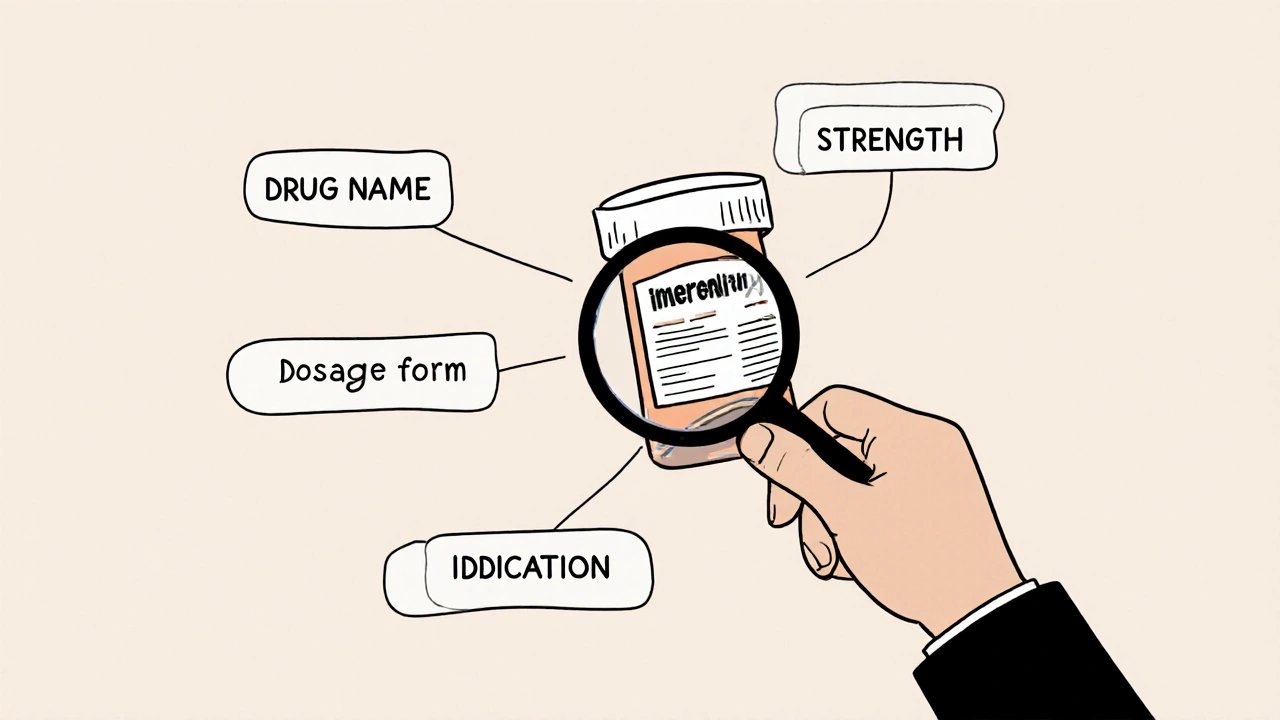
To understand the alert, you have to look at the engine behind it. These notifications live inside Electronic Health Record (EHR) systems like Epic or Cerner. When a doctor prescribes a medication, the system instantly compares that drug against every item on your documented allergy list.
It isn't just a simple text match. The software uses complex knowledge bases, such as First DataBank, to understand chemical structures. If you are allergic to penicillin, the system knows that ampicillin is also a penicillin. It will trigger a "definite allergy" alert. It also looks for "possible allergies" based on cross-reactivity. For example, if you are allergic to penicillin, the system might warn you about cephalosporins, a different class of antibiotics, because there is a historical belief that they share similar chemical traits.
However, this logic is often outdated. Modern studies show that the actual cross-reactivity rate between penicillins and later-generation cephalosporins is less than 2%. Yet, many EHR systems still generate high-severity alerts for these combinations. This discrepancy is why you might see a warning for a drug you have safely taken in the past.
Decoding the Severity Levels
Not all alerts are created equal. Systems use color-coding and tiered classifications to indicate risk. While specific designs vary by hospital software, the general hierarchy remains consistent:
- Mild (Yellow): Usually indicates a non-life-threatening side effect or a low-probability cross-reaction. Examples include mild rashes or gastrointestinal upset.
- Moderate (Orange): Suggests a higher likelihood of a significant reaction, such as hives or swelling, but not immediate danger.
- Severe (Red): Indicates a potentially serious immune-mediated reaction, such as Stevens-Johnson Syndrome or severe bronchospasm.
- Life-Threatening (Black/Red): Reserved for anaphylaxis, a rapid-onset reaction that can cause airway closure and shock. This requires immediate attention.
The problem arises when the system lacks precise data. A 2021 NIH study found that 47% of EHR systems fail to document the specific type of reaction accurately. If your chart simply says "Penicillin Allergy" without noting whether it was a rash or anaphylaxis, the system defaults to the worst-case scenario, triggering a severe alert even if your original reaction was minor.
Allergy vs. Side Effect: The Critical Distinction
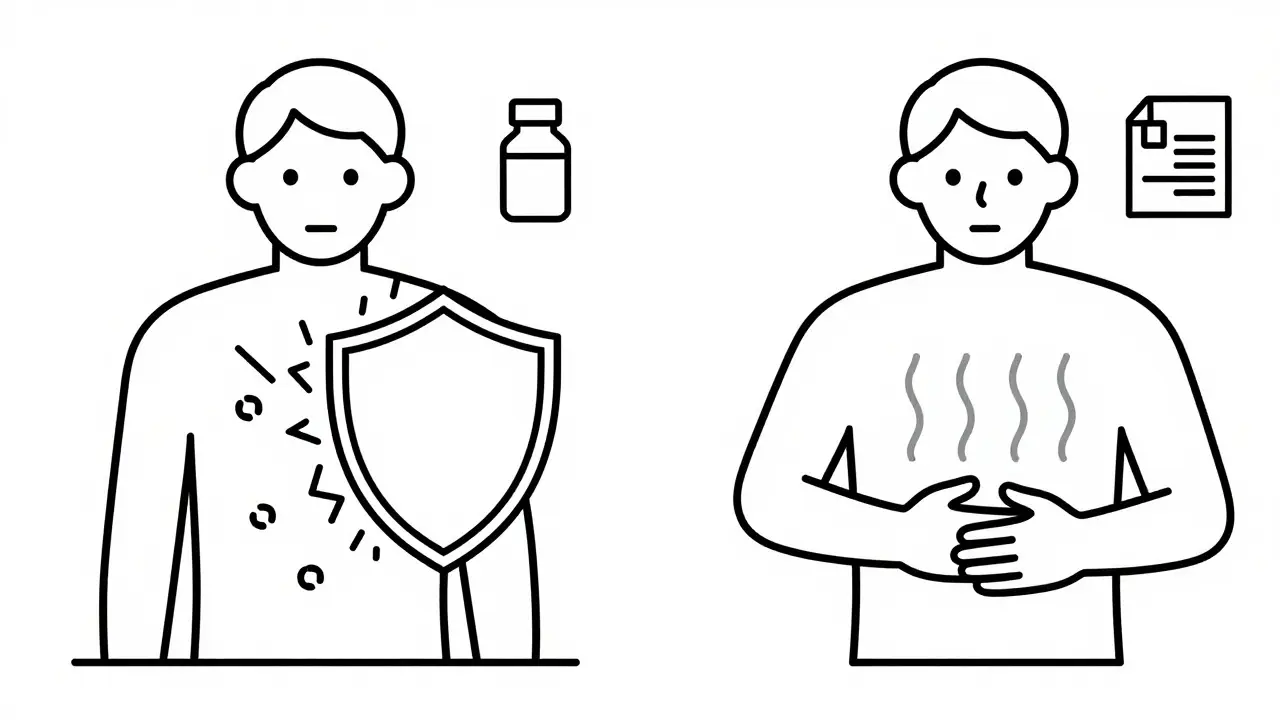
This is the single biggest source of confusion. Patients and doctors often use the word "allergy" loosely. You might tell a nurse, "I'm allergic to ibuprofen," because it gives you heartburn. To you, that feels like an allergy. To an immunologist, that is a side effect.
A true drug allergy involves your immune system. It produces antibodies (like IgE) that attack the drug, causing symptoms like hives, swelling, wheezing, or anaphylaxis. These reactions typically occur within hours to two weeks of taking the medication.
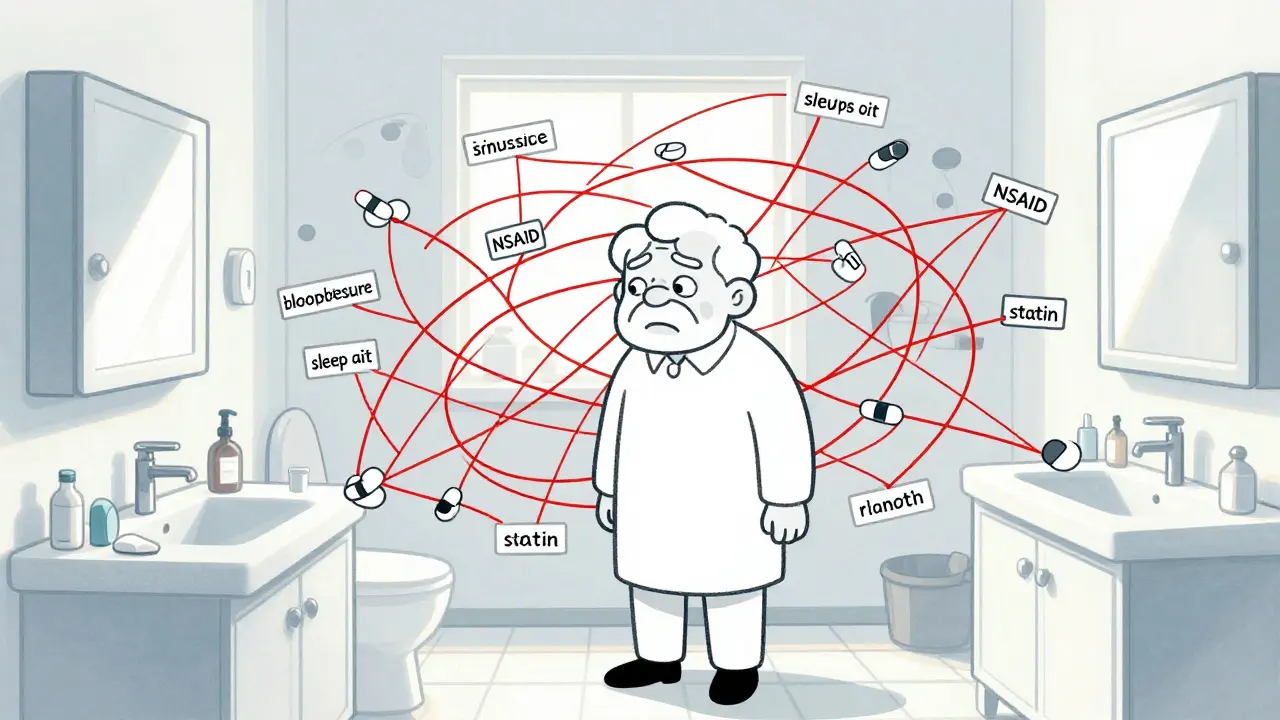
Side effects, on the other hand, are predictable physiological responses. Nausea from metformin or drowsiness from antihistamines are side effects, not allergies. When these side effects are documented as "allergies" in your medical record, the pharmacy alert system treats them as immune threats. This leads to overly broad restrictions. For instance, documenting ibuprofen intolerance as an allergy might flag every Non-Steroidal Anti-Inflammatory Drug (NSAID), including aspirin and naproxen, preventing you from receiving effective pain relief.
Only about one-tenth of documented drug reactions are truly severe and immune-mediated. The rest are mild intolerances or mislabeled side effects. Recognizing this difference is key to interpreting whether an alert represents a real danger or a documentation error.
Why Do Pharmacists Override Alerts?
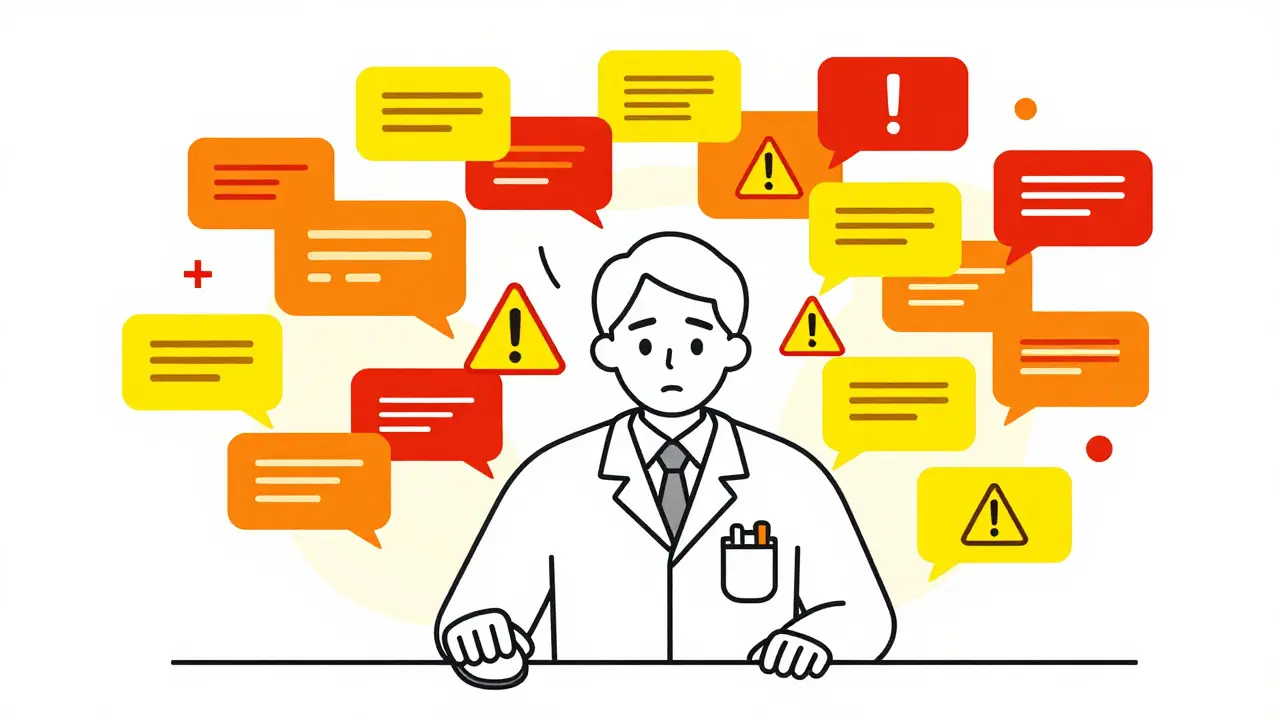
If you've ever watched a pharmacist dismiss an alert with a click, don't assume they are being careless. They are likely exercising clinical judgment in the face of "alert fatigue." Studies show that override rates for certain allergy alerts exceed 95%. Why?
Because the alerts are often clinically irrelevant. A 2022 survey of pharmacists found that more than half of the alerts they encounter have no basis in current medical reality. For example, a patient might have a documented "penicillin allergy" from a childhood stomachache-a common side effect, not an immune response. Years later, when they need a strong antibiotic, the system blocks safe options. The pharmacist overrides the alert after verifying the patient's history, knowing the risk of withholding necessary treatment outweighs the negligible risk of a false-positive alert.
However, this reliance on human judgment is risky. High override rates mean that genuine, rare, but critical alerts can sometimes be missed amidst the noise. This is why the industry is moving toward smarter, risk-stratified alerting systems that differentiate between mandatory checks for anaphylaxis risks and informational notes for mild intolerances.
| Reaction Type | Mechanism | Common Symptoms | Alert Severity |
|---|---|---|---|
| True Allergy (IgE-mediated) | Immune System Response | Hives, Swelling, Anaphylaxis | High (Red/Black) |
| T-cell Mediated Delayed | Immune System Response | Rash, Fever, Organ Inflammation | Moderate to High |
| Intolerance/Side Effect | Physiological Response | Nausea, Headache, Dizziness | Low (Yellow/None) |
| Cross-Reactivity Risk | Chemical Similarity | Variable | Depends on Class |
How to Improve Your Medical Record Accuracy
The best way to handle pharmacy allergy alerts is to ensure your medical record is accurate in the first place. Here is how you can take control:
- Clarify Past Reactions: At your next appointment, ask your doctor to review your allergy list. If you listed "amoxicillin allergy" due to a rash, describe exactly what happened. Was it itching? Swelling? Or just a mild bump?
- Request De-labeling: If you have never had a severe reaction, ask if you can undergo "drug challenge testing" or simply have the label changed from "Allergy" to "Intolerance." This prevents unnecessary alerts for future prescriptions.
- Specify the Reaction: Instead of writing "Allergic to Penicillin," insist on documentation that reads "Penicillin - Hives, 2015." Specificity helps the EHR system filter out irrelevant cross-reactivity warnings.
- Carry a Card: For severe, verified allergies, carry a medical alert card. This serves as a backup if the digital system fails or if you are in an emergency setting without full EHR access.
A 2022 study at Johns Hopkins Hospital showed that implementing structured allergy documentation protocols increased accuracy from 39% to 76% in just six months. You can drive this change by being proactive about your own records.
What Happens Next in Healthcare IT?
The technology is evolving. Newer updates to major EHR platforms, such as Epic's "Allergy Relevance Scoring" and Oracle Health's "Precision Allergy" module, use machine learning to predict which alerts matter. These systems analyze historical override patterns and patient-specific factors to suppress low-value warnings. Early tests suggest these improvements could reduce nuisance alerts by up to 40-60% while maintaining safety for high-risk scenarios.
Regulatory pressure is also increasing. The 21st Century Cures Act now requires EHR systems to support structured allergy documentation, forcing providers to move away from vague labels. By 2026, it is predicted that 70% of major hospital systems will implement risk-stratified alerting, making your interactions with pharmacy alerts much smoother and more reliable.
What should I do if my pharmacist ignores an allergy alert?
Don't panic. Pharmacists often override alerts after verifying that the risk is low or the allergy is documented incorrectly. Ask them to explain why they are dispensing the medication despite the warning. They should check your history to confirm you haven't had a severe reaction to this specific drug class before.
Is a rash always a sign of a drug allergy?
Not necessarily. Rashes can be caused by viral infections, heat, or non-allergic drug reactions. However, any new rash appearing shortly after starting a medication should be evaluated by a doctor. If it is widespread, painful, or accompanied by fever, seek immediate care as it could indicate a serious condition like Stevens-Johnson Syndrome.
Can I remove an allergy from my medical record?
Yes, but it requires verification. You cannot simply delete it yourself. You need to work with an allergist or your primary care provider. They may perform skin testing or a supervised oral challenge to prove you are no longer allergic. Once confirmed, they can update your EHR to reflect the correct status.
Why does the system warn me about cephalosporins if I'm only allergic to penicillin?
This is due to cross-reactivity rules built into older EHR algorithms. Historically, it was believed that 10% of penicillin-allergic patients would react to cephalosporins. Modern research shows this rate is less than 2% for newer generations of cephalosporins. The alert is a precautionary measure, but it is often considered a false positive by modern standards.
How long does a drug allergy last?
Many drug allergies fade over time. Studies suggest that up to 80% of people labeled as penicillin-allergic are no longer allergic after ten years. This is why regular review of your allergy list is crucial. Keeping outdated allergies on file increases the risk of alert fatigue and limits your treatment options unnecessarily.