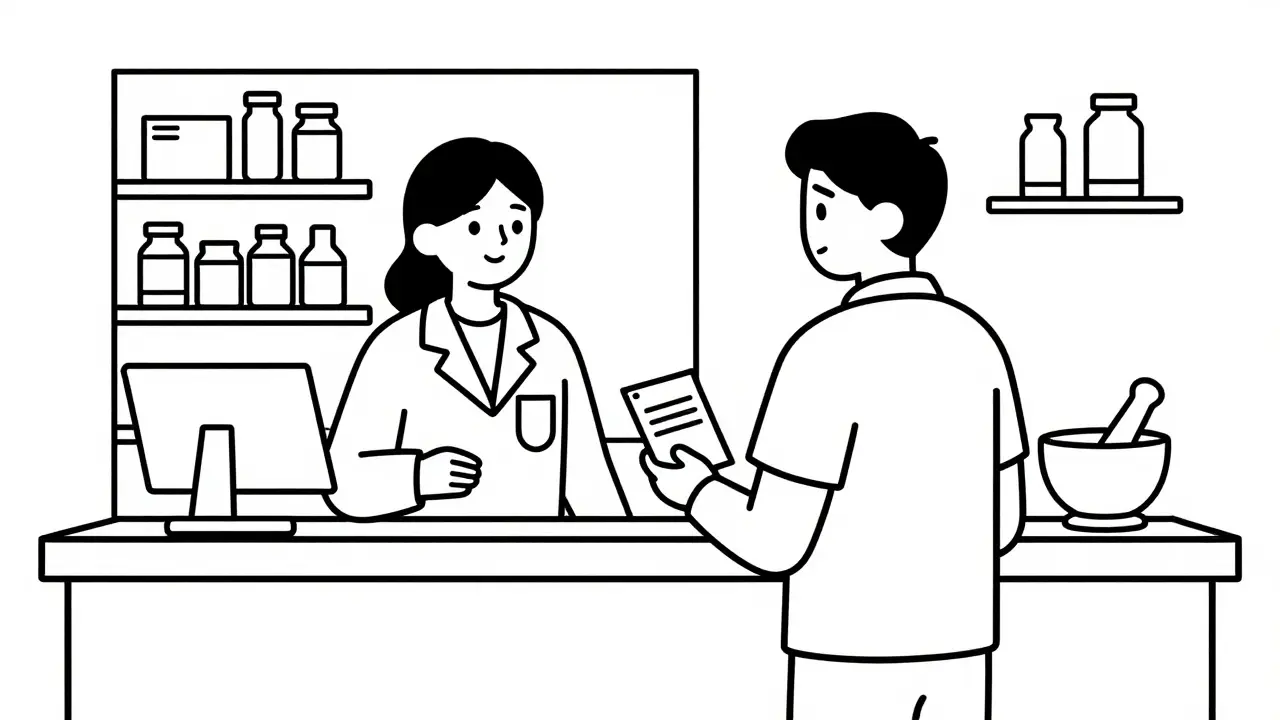
Imagine picking up a prescription, walking out of the pharmacy, and realizing you have no idea if it clashes with your daily vitamins or how long it lasts in your fridge. It sounds like a nightmare scenario, but for many people, it’s just Tuesday. The pharmacy counter is the final checkpoint between a doctor's prescription and patient health, yet most folks treat it like an automated vending machine. You hand over the card, grab the bag, and leave. But that brief interaction is actually one of the most critical moments in your healthcare journey. Pharmacists are trained to spot dangerous interactions, catch dosing errors, and explain side effects before they happen. If you don’t ask the right questions, you might miss vital information that could save you from serious harm.
Why Your Questions Matter More Than You Think
Medication errors aren't just rare accidents; they are a widespread issue. Back in 2006, the Institute of Medicine reported that medication errors harm at least 1.5 million people annually in the United States alone. That number has likely shifted, but the core problem remains: communication gaps. The World Health Organization launched their 'Medication Without Harm' challenge in 2017 specifically because patients need to be active participants, not passive recipients. When you ask specific questions, you force a conversation that can uncover hidden risks. For instance, Mark Heelon, a Medication Safety Officer at Baystate Health, notes that pharmacists add "an important layer of safety" by spotting potential allergies and interactions that doctors might miss in a rushed appointment. Your voice is the trigger that activates this safety net.
The Core Questions Every Patient Must Ask
You don’t need a medical degree to protect yourself. You just need a checklist. Based on guidelines from organizations like the American Pharmacists Association (APhA) and the Institute for Safe Medication Practices (ISMP), here are the essential questions that should never be skipped.
- What exactly is this medication for? It seems obvious, but confusion happens. Make sure the purpose matches what your doctor told you. Sometimes generic names sound similar to brand names, leading to mix-ups.
- How and when should I take this? Dosage instructions can be tricky. Does it matter if you eat first? Should you take it with water or juice? Asking for precise timing helps avoid missed doses or accidental overdoses.
- What side effects should I expect? Not all side effects are equal. Some are mild annoyances, while others are red flags requiring immediate emergency care. Know the difference so you don't panic unnecessarily-or worse, ignore a warning sign.
- Does this interact with my other meds, supplements, or foods? This is arguably the most critical question. Combining ibuprofen with blood thinners like warfarin can increase bleeding risk by 40-60%. Herbal supplements often sneak into this category too, causing unexpected reactions.
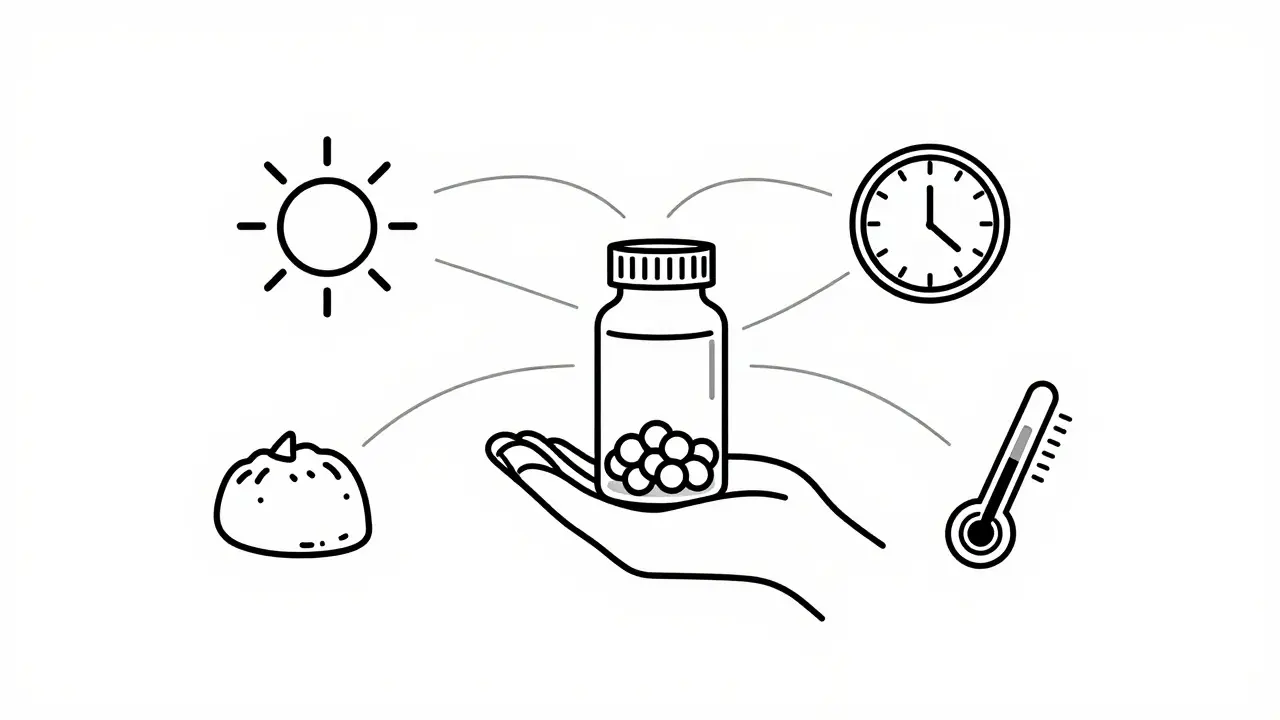
- How should I store this properly? Storage isn't just about putting it in a drawer. Some drugs degrade in heat, while others need refrigeration. A pharmacist once noted cases where insulin became ineffective because patients stored it in hot car glove compartments during summer.
Deep Dive: Interactions and Allergies
Interactions are silent killers. They don't always announce themselves immediately. SmithRx analysis shows that combining certain common painkillers with prescription anticoagulants creates a dangerous cocktail for stomach bleeding. But it’s not just prescriptions. Over-the-counter medicines, vitamins, minerals, and even eye drops can play havoc with your primary treatment. Bring everything to the counter. ACV Health recommends listing all products, including herbal remedies and skin creams. A 2022 Johns Hopkins study found that comprehensive reviews reduce polypharmacy risks by 29%. Don't assume the pharmacist knows what you're taking unless you tell them. Also, explicitly ask: "Is there any ingredient that might cause an allergic reaction?" Medication allergies account for roughly 106,000 emergency department visits each year according to CDC data. Knowing the allergens beforehand prevents these scary trips.
Understanding Side Effects and Warnings
Side effect lists on bottle labels can look terrifyingly long. Most people read them and feel anxious. Instead of memorizing every possibility, ask your pharmacist to highlight the top three most common ones and the top two most dangerous ones. Dr. Erika Brown, a lead pharmacist at Gundersen Pharmacy, points out seasonal considerations too. Some medications make you sensitive to sunlight, increasing sunburn risk or altering skin color. If you’re planning a vacation or working outdoors, this detail changes how you manage your health. Additionally, clarify which symptoms require calling your doctor versus going to the ER. Having a clear action plan reduces anxiety and ensures timely care when things go wrong.
Storage, Handling, and Practical Tips
Proper storage extends beyond temperature. Ask about light sensitivity and moisture. Some pills degrade quickly if left open in a humid bathroom cabinet. Keep them in a cool, dry place instead. For liquids, check expiration dates closely, especially after opening. Another practical tip involves appearance. Dartmouth-Hitchcock guidelines stress verifying that the medication looks right. Appearance discrepancies account for 18% of dispensing errors. If the pill looks different from your last refill-different color, shape, or imprint-ask immediately. It might be a generic substitution, which is usually safe, but confirmation gives peace of mind. Also, consider asking about cost alternatives. Sometimes a cheaper generic works just as well, saving you money without sacrificing efficacy.
| Question Category | Specific Question to Ask | Potential Risk if Ignored |
|---|---|---|
| Usage & Dosage | "When exactly should I take this?" | Missed doses, reduced efficacy, toxicity |
| Interactions | "Does this clash with my supplements?" | Bleeding risks, organ strain, treatment failure |
| Side Effects | "Which symptoms mean I need help now?" | Delayed emergency care, severe complications |
| Storage | "Does this need refrigeration?" | Medication degradation, loss of potency |
| Allergies | "Are there hidden allergens here?" | Anaphylaxis, hospitalization |

Overcoming Barriers: What If I Feel Rushed?
Many patients hesitate to ask questions because they feel rushed or embarrassed. Gundersen Health’s 2022 feedback analysis showed that 42% of patients felt hurried during consultations. However, pharmacists want you to ask. In fact, a 2020 study in the Journal of the American Pharmacists Association found that using the "teach-back" method-where you repeat instructions back to the pharmacist-reduces communication errors by 31%. Pocono Pharmacy implemented this protocol and saw a 44% drop in medication-related readmissions. If you’re shy, write your questions down beforehand. Handing a list to the pharmacist signals seriousness and ensures nothing gets forgotten. Remember, you are paying for expertise. Use it. Don’t let pride or fear stop you from protecting your health.
Special Considerations for Vulnerable Groups
If you are managing medications for children, elderly parents, or pregnant family members, extra caution is needed. Baystate Health warns that most over-the-counter products are designed for adults. Cutting adult doses for kids is dangerous and accounts for 35% of pediatric medication errors. Always verify pediatric dosing with a professional. For older adults, polypharmacy is a major concern. They often take multiple drugs for chronic conditions, increasing interaction risks. Regular medication reviews become crucial. During hospitalizations, strict protocols apply. The Joint Commission advises against taking home medications without discussing them with the care team, as self-administration leads to significant transitional care errors. Standardize your approach: bring an updated list to every appointment and review it annually.
Future Trends and Technology
The landscape of medication safety is evolving. Technologies like QR codes on bottles link directly to digital question prompts, encouraging patient engagement. MedSafety piloted this in 147 pharmacies, seeing a 38% increase in questioning behavior. Additionally, standardized video consultations are being tested to help patients prepare for appointments. These tools supplement, but do not replace, direct human interaction. The human element-the ability to interpret tone, clarify confusion instantly, and build trust-remains irreplaceable. As Medicare Part D emphasizes medication therapy management, expect more opportunities for free or low-cost consults. Take advantage of them. Knowledge is power, and in medication safety, it’s literally life-saving.
Should I ask the same questions every time I refill my prescription?
Not necessarily every single detail, but yes, periodically. Specifically, ask if there are new known interactions with other medications you may have started since your last visit. Also, confirm if the manufacturer changed, as generic formulations can sometimes differ slightly in inactive ingredients, affecting allergies or digestion.
Can I trust online drug information instead of asking the pharmacist?
Online info is general; your pharmacist’s advice is personalized. Web sources won’t know your full medical history, current supplement stack, or local environmental factors. Always cross-reference online reading with professional consultation to ensure it applies to your specific situation.
What if the pharmacist says they are too busy to answer my questions?
This is rare but possible. Politely ask if they can call you back later or schedule a brief moment. Alternatively, seek out a community pharmacy that offers dedicated consultation times. Your safety is paramount; don't leave without clarity. If one location is unhelpful, try another.
Do I need to disclose recreational substances or alcohol use?
Yes, absolutely. Alcohol and recreational drugs can severely interact with prescriptions, leading to liver damage, respiratory depression, or heightened sedation. Pharmacists are bound by confidentiality and aim to keep you safe, not judge you. Honesty prevents potentially fatal combinations.
How often should I review my entire medication list with my doctor and pharmacist?
At least once a year, or whenever a new medication is added or removed. This "brown bag review" helps identify unnecessary drugs, duplicate therapies, and outdated prescriptions, reducing overall risk and cost.

Comments
8 Comments
Anthony Red
Hey everyone, this is actually super important stuff that a lot of us overlook because we're just trying to get our lives done. I used to just grab the bag and run, but after my dad had a scare with blood thinners and some ibuprofen, I started asking every single time. It’s not about being annoying; it’s about making sure you don’t end up in the ER for something stupid like a vitamin interaction. Just write down your questions on your phone before you go so you don't freeze up when you're standing there.
Javier Arauz
The system is broken if you have to beg for basic safety info.
Kris Wong
Wake up sheeple! 🧐 They want you confused so you keep buying their 'miracle' cures. 💊 The interactions they warn you about are often just to keep you dependent on their specific brand name drugs while suppressing the natural healing properties of herbs. 🌿 Don't let them gaslight you into thinking you need permission to take your own vitamins. The big pharma lobby loves these 'safety checks' because it gives them more control over your body. 👁️🗨️ Do your own research, guys. Trust no one. 🚫
Danny S
:( You are all missing the bigger picture here. The pharmacists are merely the foot soldiers in a vast network of surveillance designed to track your biological data. Every question you ask is logged and cross-referenced with your insurance claims to build a predictive model of your health failures. They aren't helping you; they are harvesting your compliance. Stop feeding the machine. Burn your prescription bottles and return to nature before it's too late. The truth is out there, but only if you stop listening to the authorities.
Mollie Louise
I am absolutely thrilled to see this discussion happening because it highlights such a crucial aspect of personal healthcare that is often neglected due to sheer busyness or perhaps even a bit of embarrassment! 😊 I personally make it a point to bring a little notebook to every pharmacy visit, and I cannot stress enough how empowering it feels to walk away with clear, concise instructions tailored specifically to my unique needs. When you engage with the pharmacist as a partner in your health journey rather than just a transactional exchange, you open up doors to information that could literally save your life or at least improve your daily comfort significantly. For instance, knowing exactly which side effects are normal versus which ones require immediate attention can prevent unnecessary panic and ensure that you seek help only when it is truly needed, thereby reducing strain on emergency services and giving you peace of mind. Furthermore, discussing storage conditions might seem trivial, but having experienced medication degradation due to improper humidity exposure myself, I can attest that these small details matter immensely for efficacy and safety. So please, do not hesitate to ask those 'silly' questions because your health is worth every second of conversation, and the professionals are genuinely there to support you in navigating this complex landscape! 🌟💪
Christina Moran
honestly i never thought about the fridge thing lol. i usually just throw everything in the bathroom cabinet and forget about it until i need it. does that really mess up the medicine tho? or is it just for like insulin stuff? also my mom always complains that the pills look different sometimes and gets super paranoid that they swapped her meds for fake ones. is that a real thing or just her being dramatic? haha
Yuvraj Singh
To address Christina's concern directly: yes, appearance changes can be alarming but are frequently due to generic substitutions which are legally required to have the same active ingredients, though inactive fillers may differ in color or shape. However, if you notice any significant discrepancy, it is prudent to verify with the pharmacist immediately as visual confirmation is a key step in preventing dispensing errors. Regarding storage, most oral medications are stable at room temperature away from moisture and heat, so the bathroom cabinet is generally acceptable unless specified otherwise on the label, but humid environments can degrade certain compounds over time, so a dry bedroom drawer is often superior for long-term stability.
Sam Mackellar
It is imperative that individuals adhere strictly to the guidelines presented herein. The failure to inquire regarding potential interactions constitutes a dereliction of duty towards one's own well-being. One must not assume that the healthcare provider has comprehensive knowledge of one's supplement regimen without explicit disclosure. Therefore, it is recommended that all patients compile a detailed inventory of all substances consumed, including over-the-counter remedies and herbal preparations, prior to any consultation. This practice ensures the highest standard of care and mitigates the risk of adverse events.
Write a comment