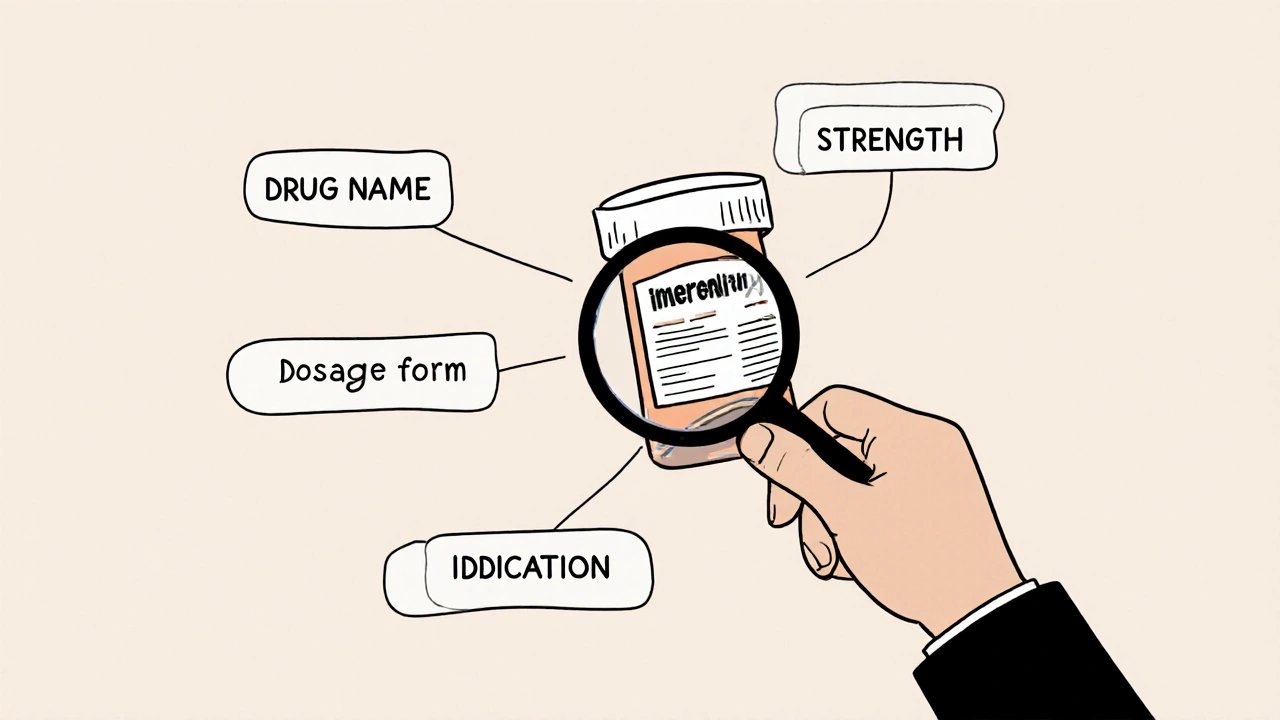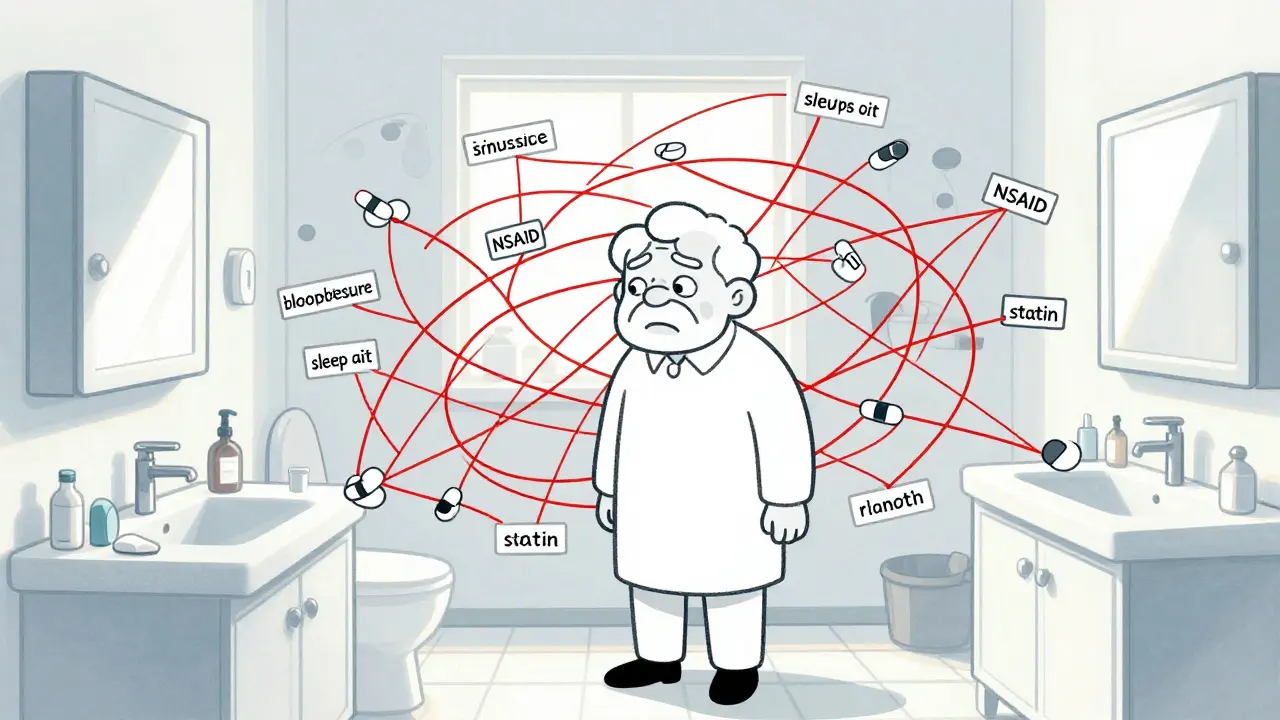


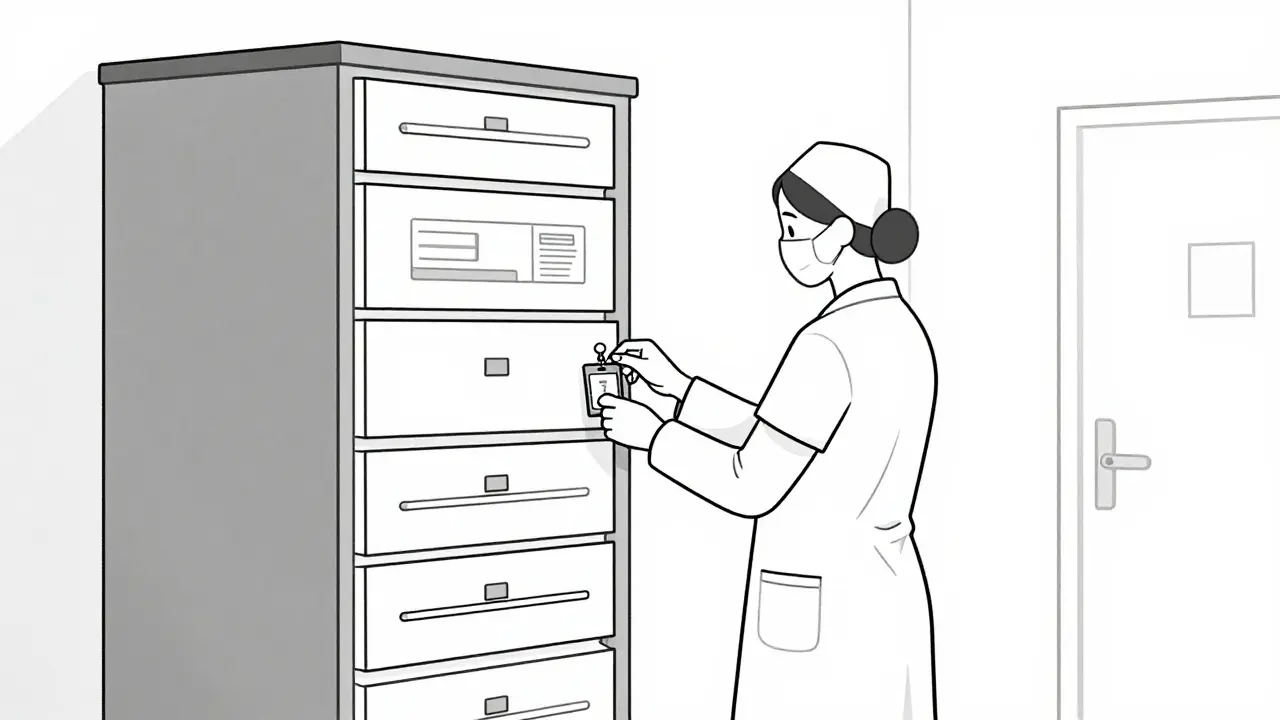
Imagine this: It’s 2 AM in a busy clinic. You’re tired, the lights are dim, and you need a specific antibiotic for a patient with a severe infection. You walk up to the Automated Dispensing Cabinet, scan your badge, and pull the drawer. Your hand reaches for the box that looks right. But what if it’s not? What if the packaging is similar to another drug, or worse, the dose is ten times higher than intended? This isn’t just a hypothetical nightmare; it’s a real risk that happens more often than we’d like to admit.
We rely on these machines to keep us safe, but here’s the hard truth: an Automated Dispensing Cabinet (ADC) is only as safe as the people who configure and use it. Studies show that while proper implementation can cut dispensing errors by 15-20%, poor setup can actually increase errors by over 30%. The machine doesn’t think; it follows instructions. If those instructions are flawed, the machine will helpfully deliver the wrong medication every single time.
The Reality of ADC Safety: It’s Not Automatic
Many healthcare workers assume that because a cabinet is "automated," it is inherently "safe." This is a dangerous misconception. The Institute for Safe Medication Practices (ISMP) published comprehensive guidelines in 2019 emphasizing that ADCs do not improve safety unless their design and use are planned with extreme attention to detail. Think of an ADC like a high-performance sports car. It has incredible speed and power, but if you don’t know how to drive it, or if the brakes aren’t adjusted correctly, it becomes a hazard.
In one study cited by the National Center for Biotechnology Information (NCBI), six out of seven nursing units saw an increase in errors after installing new cabinets. Why? Because the focus was on speed, not safety. The drawers were stocked based on convenience rather than clinical logic. High-alert medications were placed next to look-alike drugs. Overrides were left wide open. When we treat ADCs as simple vending machines, we ignore the complex pharmacology and human factors involved in medication administration.
Core Safety Processes: The Foundation of Safe Use
To use an ADC safely, you need to understand the nine Core Safety Processes outlined by ISMP. These aren’t just bureaucratic checkboxes; they are the guardrails that prevent catastrophic errors. Let’s break down the most critical ones for daily clinic operations.
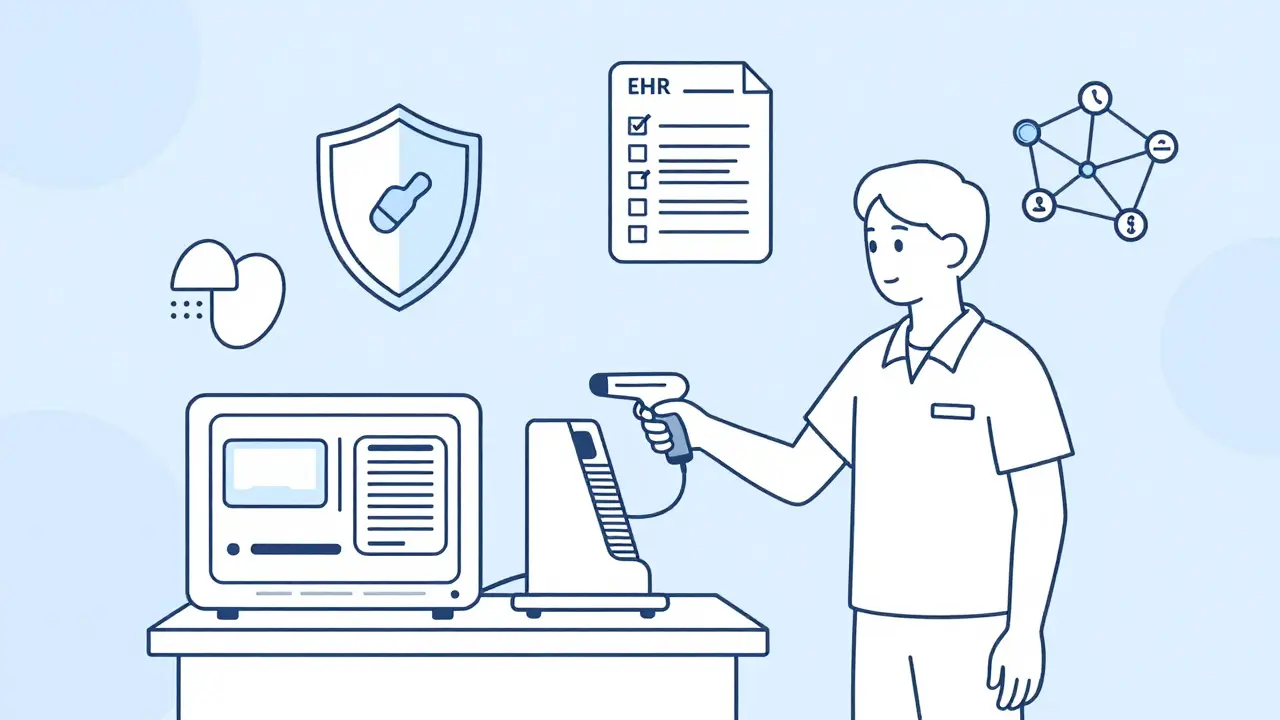
- Patient Profiling Integration: Your ADC must talk to your Electronic Health Record (EHR). Without this link, the cabinet cannot check for allergies, duplicate therapies, or unsafe doses. If you have to manually verify everything before pulling a drug, the system is failing its primary safety function.
- Barcode Verification: Every transaction should require scanning. Scanning the medication barcode confirms you pulled the right drug. Scanning the patient’s wristband at the bedside confirms you’re giving it to the right person. Skipping this step is the number one cause of preventable errors.
- Controlled Access: Only authorized personnel should access specific drawers. A nurse in the ER needs different access than a technician in radiology. Restricting access prevents accidental dispensing of high-risk medications.
Dr. Michael Cohen, President Emeritus of ISMP, put it simply: "ADCs do not improve safety unless the cabinet's design and use are planned with attention to patient profiling and other critical factors." If your clinic isn’t using patient profiling, you’re flying blind.
The Override Trap: Why Bypassing Security Is Dangerous
Let’s talk about the override button. We’ve all been there. The scanner isn’t working, the internet is slow, or you’re in a rush during a code blue. You hit override, grab the med, and move on. It feels efficient. But data shows that facilities with unrestricted override capabilities experience error rates 2.3 times higher than those with controlled protocols.
An override bypasses every safety check the system has built in. No allergy alert. No dose verification. No documentation of why that specific drug was needed at that specific time. In a 2021 audit by ISMP, 58% of facilities reported misuse of override functions. This isn’t just about laziness; it’s about workflow friction. If the system makes it too hard to get the right drug, staff will find ways around it.
So, how do you fix this? First, limit override quantities. Never allow a full stock pull via override. Second, require documentation. Make the user type in a reason for the override. Third, implement automated witness documentation. Another licensed provider should verify the override electronically. At Mayo Clinic, creating unit-specific override lists reduced override-related errors by 63% in critical care units. They didn’t ban overrides; they managed them intelligently.
Stocking Strategy: Preventing Look-Alike/Sound-Alike Errors
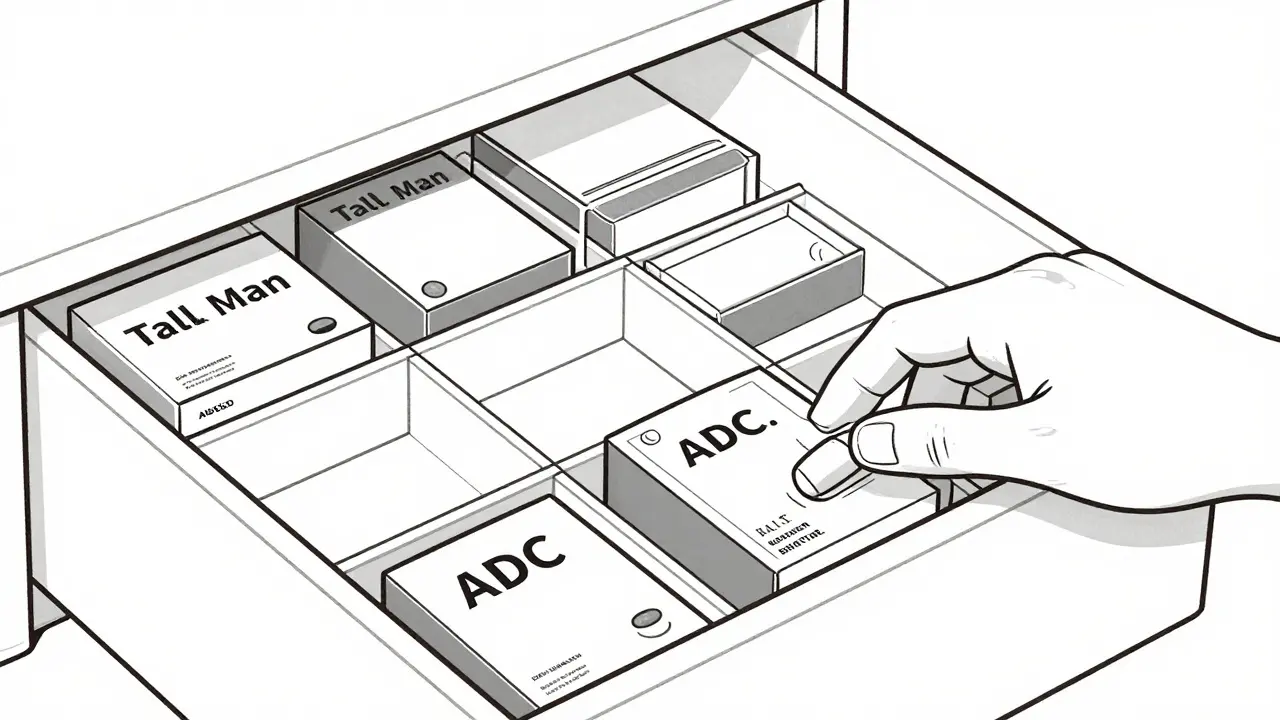
One of the biggest risks in any ADC is the placement of Look-Alike/Sound-Alike (LASA) drugs. Imagine having fentanyl and naloxone in adjacent slots. Or placing insulin vials of different concentrations side-by-side. Human vision is imperfect, especially under stress. If two boxes look identical, your brain might pick the wrong one without you realizing it.
ASHP guidelines recommend strategic positioning to mitigate this. Here’s a practical checklist for stocking your ADC:
- Separate LASA Drugs: Never place look-alike medications in the same drawer or adjacent slots. Use empty space as a buffer zone.
- Tall Man Lettering: Ensure labels use Tall Man lettering (e.g., PREdnisone vs. PREdNIsolone) to highlight differences visually.
- Frequent vs. Rare: Place frequently used medications in easily accessible drawers. Keep high-alert or rarely used drugs in separate, clearly marked sections.
- Temperature Control: Refrigerated medications must be stored in temperature-controlled compartments away from heat sources like monitors. Always check Beyond-Use Dates (BUD) for these items.
A case from the ISMP Medication Errors Reporting Program highlights the stakes: incorrect ADC configuration led to a patient receiving 10x the intended dose of insulin. That’s not a minor mistake; that’s life-threatening. Proper stocking isn’t just tidy; it’s vital.
Environmental and Ergonomic Factors
Safety isn’t just about software and barcodes. It’s also about where the cabinet sits and how your body interacts with it. In a 2022 survey, 31% of pharmacists reported poor ergonomics causing staff strain. If the ADC is tucked into a corner with poor lighting, or if heavy drawers are positioned at shoulder height, you’re setting yourself up for failure.
Consider these environmental factors:
- Lighting: Ensure the area around the ADC is well-lit. Shadows can hide label details.
- Space: Leave enough room to stand comfortably. Crowded spaces lead to rushed actions and mistakes.
- Cleanliness: During pandemics or flu season, cross-contamination is a real risk. Keep disinfectant wipes near the ADC. Follow "clean hands" protocols before touching the screen or drawers.
Capsa Healthcare recommended storing a container of disinfectant near the ADC to promote hygiene. It’s a small change, but it builds a culture of safety.
Training and Competency: Beyond the Basics
You wouldn’t let someone operate a MRI machine without training. Why do we expect nurses and technicians to master complex ADC systems overnight? Omnicell’s 2022 implementation data shows a learning curve of 4-6 weeks for new staff. Rushing this process invites errors.
Effective training includes:
- Hands-On Practice: Let staff practice scanning, overriding, and restocking in a low-stress environment.
- Error Simulation: Show them what happens when they skip steps. Demonstrate the consequences of improper override use.
- Regular Refreshers: Skills fade. Conduct quarterly competency validations as per ISMP Core Safety Process #9.
Don’t just hand out a manual. Engage staff in discussions about near-misses. Ask, "What almost went wrong today?" This fosters a culture where safety is everyone’s responsibility, not just the pharmacy’s.
Comparison of Major ADC Systems
| Vendor | Key Features | Estimated Cost (Per Unit) | Best For |
|---|---|---|---|
| Omnicell XT Series | AI-powered diversion detection, strong EHR integration | $25,000 - $45,000 | Large hospitals, acute care |
| BD Pyxis MedStation | Enhanced barcode verification, robust security features | $20,000 - $40,000 | Hospitals, surgical units |
| Capsa NexsysADC | Compact footprint, good for ambulatory settings | $15,000 - $35,000 | Clinics, long-term care |
Note that pricing varies significantly based on configuration and scale. Smaller clinics might opt for countertop models like Capsa’s 4T, while large hospitals invest in enterprise-wide solutions. Regardless of the vendor, the safety principles remain the same.
Future Trends: AI and Interoperability
The world of ADCs is evolving. By 2026, we’re seeing deeper integration with HL7 FHIR standards, allowing real-time data feeds between cabinets and EHRs. Omnicell introduced AI-powered diversion detection algorithms in May 2023, which reduced false positives by 37% in beta testing. BD Pyxis enhanced barcode verification for returned medications in September 2022.
These advancements promise greater safety, but they also require vigilance. As systems become smarter, our reliance on them grows. We must ensure that our workflows adapt to these changes. Don’t let technology create complacency. Stay engaged, stay curious, and always question the process.
Why do ADCs sometimes increase medication errors?
ADCs can increase errors if they are poorly configured. Common issues include placing look-alike drugs next to each other, allowing unrestricted overrides, and lacking integration with patient profiling systems. Without proper setup, the speed of the ADC can outpace the nurse's ability to verify details, leading to mistakes.
What is the safest way to handle ADC overrides?
The safest approach involves limiting override quantities, requiring written rationale for each override, and implementing automated witness documentation. Facilities should create unit-specific override lists to restrict access to only necessary medications during emergencies.
How often should ADC staff receive training?
Initial training should span 4-6 weeks, followed by quarterly competency validations. Regular refreshers help maintain skills and reinforce safety protocols, especially when system updates or new medications are introduced.
Do ADCs reduce contamination risks?
Yes, ADCs minimize manual handling of medications, which can reduce contamination risk by approximately 40%. However, staff must still follow hygiene protocols, such as cleaning the cabinet surface and washing hands, to prevent cross-contamination.
What is the role of patient profiling in ADC safety?
Patient profiling allows the ADC to check for allergies, duplicate therapies, and unsafe doses before dispensing. Without this feature, nurses miss critical alerts, increasing the risk of adverse drug events. Integration with EHRs is essential for effective patient profiling.