
Passing a kidney stone is one of the most painful experiences you can imagine. But here is the hard truth many people miss: passing that first stone doesn’t mean you’re in the clear. In fact, if you’ve had one, your chance of getting another within five years sits between 30% and 50%. If you do nothing to change your habits, that number jumps to roughly 70%. This isn’t just an occasional acute event; it is a chronic metabolic disorder that requires long-term management.
The medical community has shifted its view on this condition. It’s no longer about just treating the pain when a stone forms. It’s about preventing the next one from forming in the first place. With hospitalizations for kidney stones rising by 50% over the last few decades, understanding how to stop recurrence is critical for your long-term health and wallet. Let’s look at exactly what the data says about keeping those stones away through diet and lifestyle changes.
Why Water Is Your First Line of Defense
If there is one rule that every major health organization agrees on, it is this: drink more water. The European Association of Urology (EAU), the American Academy of Family Physicians (AAFP), and the National Kidney Foundation all point to fluid intake as the cornerstone of prevention. But "drink more water" is vague advice. You need specific targets.
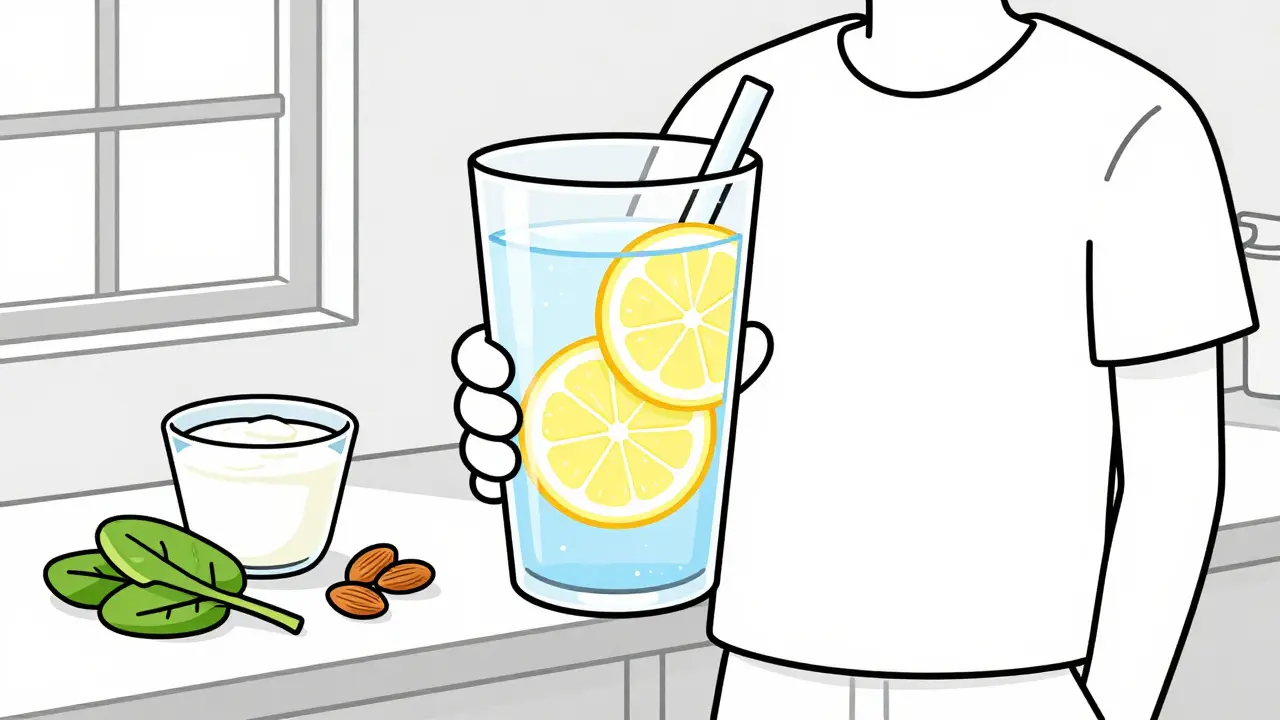
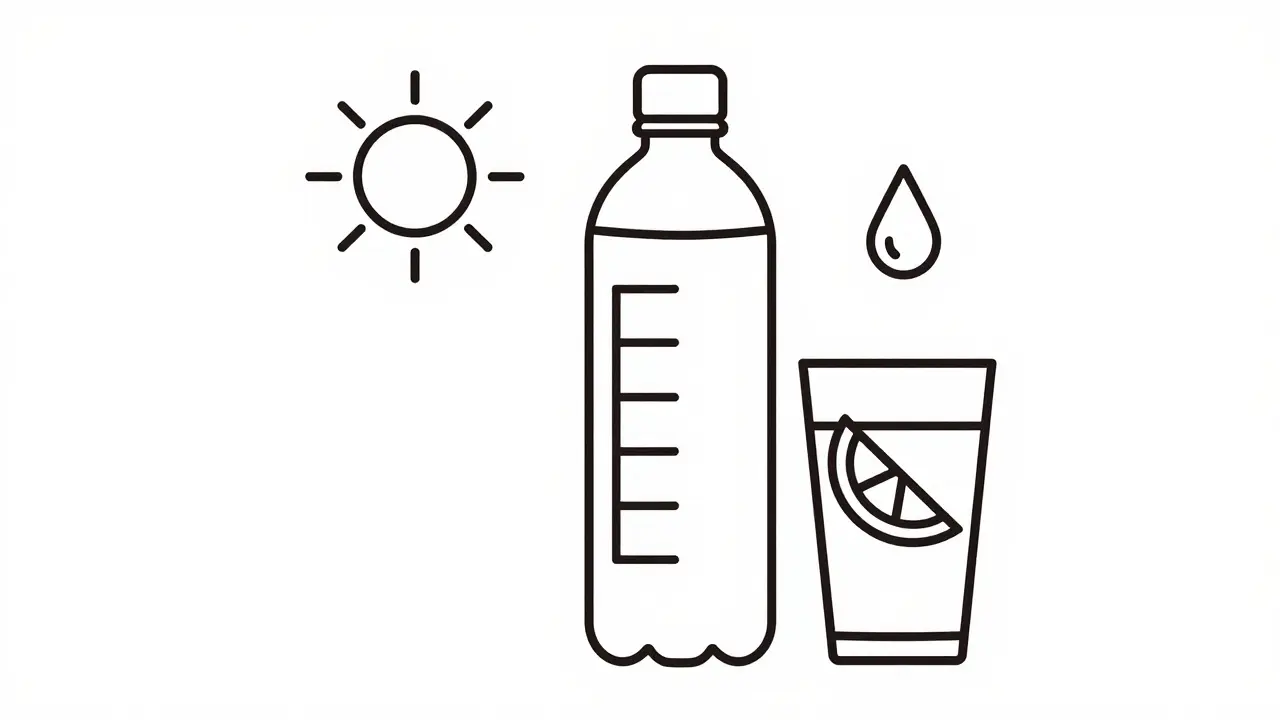
Your goal is not just to feel hydrated; it is to produce enough urine to flush out minerals before they can crystallize. Clinical guidelines recommend maintaining a 24-hour urine volume greater than 2.5 liters. To achieve this, you typically need to consume between 2.5 and 3 liters of fluid daily. This accounts for the water your body loses through sweat, breath, and digestion.
Here is how to make this practical:
- Track your output: Aim for pale yellow or clear urine. Dark yellow means you are dehydrated.
- Use marked containers: Keep a large bottle with measurement lines so you can see progress throughout the day.
- Adjust for environment: If you exercise or live in a hot climate, increase your intake significantly.
- Don't rely on thirst: Thirst is a late-stage signal. By the time you feel thirsty, you are already behind on hydration.
While water is best, tea and coffee are acceptable alternatives, provided they aren't loaded with sugar. However, avoid fizzy drinks. The NHS specifically highlights avoiding carbonated beverages, as phosphoric acid found in many sodas can increase stone risk.
The Calcium Myth: Why You Should Not Cut It Out
For decades, patients were told to cut calcium from their diets because most stones are made of calcium oxalate. This advice was wrong, and it made things worse. Current guidelines from the EAU and NKF explicitly state: do not restrict dietary calcium.
Here is why. Calcium binds with oxalate in your gut. When they bind together, they pass out of your body in your stool. If you eat low-calcium foods, that unbound oxalate gets absorbed into your bloodstream, travels to your kidneys, and combines with calcium there to form stones. So, restricting calcium actually increases the amount of oxalate available to create stones.
You should aim for normal dietary calcium intake, ideally from food sources like milk, yogurt, and cheese, rather than supplements. Take calcium supplements only if prescribed by your doctor, and always take them with meals to help bind oxalate in the digestive tract.
Sodium and Protein: The Hidden Triggers
While calcium gets the blame, sodium and animal protein are often the real culprits behind stone formation. High sodium intake forces your kidneys to excrete more calcium into your urine. More calcium in the urine equals higher stone risk.
To prevent this, limit your sodium intake to 2 grams per day, which is equivalent to about 5 grams of salt. This sounds strict, but remember that 75% of dietary sodium comes from processed foods, restaurant meals, and packaged snacks. Reading labels becomes essential. Look for hidden sodium in bread, canned soups, and deli meats.
Animal protein-such as beef, pork, chicken, and eggs-also plays a role. When you metabolize animal protein, it creates acid in your body. To neutralize this acid, your kidneys pull calcium from your bones and release it into your urine. Additionally, high protein intake lowers urinary citrate, a substance that prevents stones from forming.
The recommendation is to limit animal protein to about 8 ounces per day. Consider swapping some meat meals for plant-based proteins like beans, lentils, or tofu. Plant proteins tend to be less acidic and may even offer protective benefits against stone formation.
Oxalate Management: Balance, Not Elimination
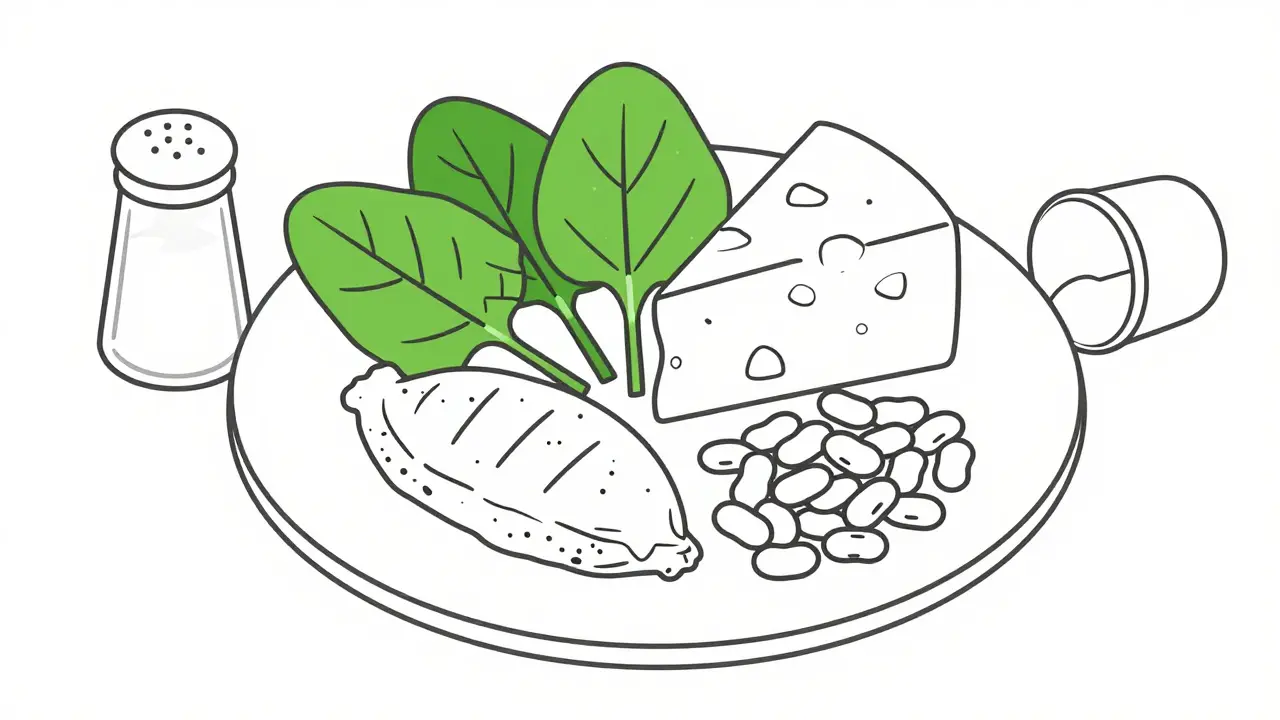
Oxalate is a natural compound found in many healthy plant foods. While you might be tempted to avoid all high-oxalate foods, this is unnecessary and unhealthy. Instead, focus on balance. Foods high in oxalate include spinach, rhubarb, almonds, beets, and sweet potatoes.
The key strategy is to pair these foods with calcium-rich foods during the same meal. For example, if you are having a spinach salad, add feta cheese or serve it with a glass of milk. The calcium will bind the oxalate in your stomach, preventing it from reaching your kidneys. Melanie Betz, a registered dietitian at the National Kidney Foundation, notes that people who eat more plant foods, fruits, and vegetables tend to have fewer kidney stones, provided they manage oxalate wisely.
If you are prone to calcium oxalate stones, you might consider moderating portions of very high-oxalate foods like spinach and nuts, but do not eliminate them entirely unless advised by a specialist after testing.
The Power of Citrate and Lemon Juice
Citrate is a natural inhibitor of kidney stones. It works by binding to calcium in the urine, preventing it from crystallizing with oxalate or phosphate. Low levels of urinary citrate (hypocitraturia) are a common finding in stone formers.
A simple, effective way to boost citrate is by adding fresh lemon juice to your water. The NHS recommends this practice specifically. Lemons and limes are rich in citrate. Squeezing half a lemon into your water bottle a few times a day can help raise your urinary citrate levels naturally. For those with significantly low citrate levels, doctors may prescribe potassium citrate supplements, but dietary changes should always come first.
Monitoring and Medical Follow-Up
Prevention is not a "one-and-done" task. Because kidney stone disease is chronic, you need ongoing monitoring. The EAU guidelines suggest that the first follow-up 24-hour urine test should occur eight to twelve weeks after starting any new prevention protocol. This allows your body time to adjust to dietary changes.
During this test, your doctor will analyze several markers:
- Urine Volume: Ensuring you are producing enough urine.
- Urinary pH: Ideally between 6.0 and 6.5 for calcium stone prevention.
- Citrate Levels: Targeting above 320 mg/day.
- Calcium and Oxalate Excretion: Checking if dietary changes are reducing mineral load.
If you are taking medication, such as thiazide diuretics, regular blood tests are also necessary to monitor electrolyte levels. Note that recent trials have shown mixed results for some medications like hydrochlorothiazide compared to placebo, making personalized care even more important.
| Nutrient / Habit | Recommended Target | Reason |
|---|---|---|
| Fluid Intake | 2.5 - 3 Liters daily | Dilutes urine to prevent crystal formation |
| Sodium | < 2 Grams daily | Reduces calcium excretion in urine |
| Animal Protein | < 8 Ounces daily | Lowers urinary acidity and preserves citrate |
| Dietary Calcium | Normal intake (1000-1200mg) | Binds oxalate in the gut to prevent absorption |
| Oxalate | Moderate high-oxalate foods | Pair with calcium to reduce kidney load |
Living with Chronic Kidney Stone Disease
Managing kidney stones is a marathon, not a sprint. The economic burden is significant, with emergency visits costing thousands of dollars per episode. But beyond the cost, recurrent stones can lead to chronic kidney disease, affecting nearly 19% of recurrent stone formers according to a 2022 study in the Journal of Urology.
Adopting a multidisciplinary approach helps. Work with a urologist for stone removal and analysis, a nephrologist for kidney function, and a dietitian for personalized meal planning. The DASH diet, often recommended for blood pressure control, has also shown a 40-50% reduction in stone risk in clinical studies due to its emphasis on fruits, vegetables, and low-fat dairy while limiting sodium and red meat.
Remember, knowing your stone type is crucial. While 80% of stones are calcium oxalate, others may be uric acid, struvite, or cystine. Each type requires slightly different dietary adjustments. Always ask your doctor for a stone composition analysis after a procedure. This data drives the most effective, personalized prevention plan.
How quickly does diet change prevent kidney stones?
Dietary changes do not work overnight. It typically takes 8 to 12 weeks for your urine chemistry to stabilize after making significant dietary adjustments. This is why doctors recommend a follow-up 24-hour urine test two to three months after starting a new prevention regimen.
Should I stop eating spinach if I get kidney stones?
Not necessarily. Spinach is high in oxalate, but eliminating it completely isn't required for everyone. Instead, try to eat smaller portions and always pair it with a calcium-rich food like cheese or yogurt. This helps bind the oxalate in your digestive system before it reaches your kidneys.
Is lemon water really effective for kidney stones?
Yes. Lemons are high in citrate, which inhibits stone formation by binding to calcium in the urine. Adding fresh lemon juice to your water is a simple, evidence-backed strategy recommended by the NHS and other health bodies to boost urinary citrate levels naturally.
Why is salt bad for kidney stones?
High sodium intake causes your kidneys to excrete more calcium into your urine. Since most kidney stones are made of calcium, having excess calcium in your urine significantly increases the risk of crystal formation. Limiting salt to under 2 grams per day helps keep urinary calcium levels lower.
Can I take calcium supplements if I have kidney stones?
You should generally get calcium from food rather than supplements. If you must take supplements, always take them with meals. Taking calcium supplements between meals can actually increase stone risk because the calcium isn't binding to oxalate in your gut. Consult your doctor before starting any supplement regimen.