You pop a generic pill for blood pressure or an antibiotic. It’s cheaper, it works, and you assume it’s safe. But what if that tablet carries invisible risks? Generic drug contamination is not just a technical glitch; it is a real threat to patient safety that affects millions of prescriptions every year. In the US alone, generics make up 90% of dispensed drugs. When contamination hits, it doesn't just mean a bad batch-it can mean recalls, adverse reactions, and lost trust.
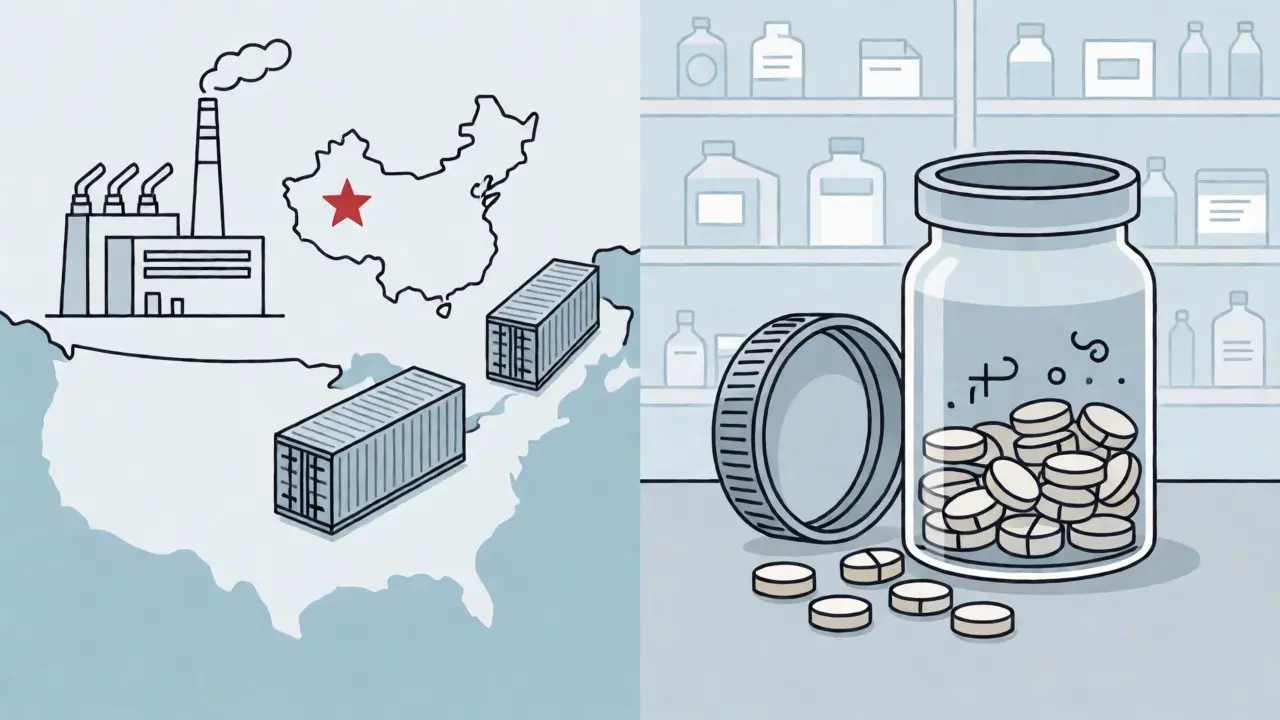
The problem isn't new, but the scale has changed. Global supply chains have stretched thin. Today, about 80% of active pharmaceutical ingredients (APIs) used in US drugs come from overseas, mostly India and China. This complexity creates gaps where contaminants slip through. Let's break down why this happens, how regulators catch it, and what you should know when you pick up your prescription.
Why Generic Drugs Face Unique Contamination Risks
You might wonder, "Aren't generics required to be identical to brand-name drugs?" Yes, they must meet the same quality standards set by the FDA. But here’s the catch: economics. Generic manufacturers operate on razor-thin margins, often averaging 20-25%, compared to 60-70% for innovator brands. This pressure can sometimes lead to cost-cutting in areas like facility maintenance or testing frequency.
Data backs this up. In 2022, the FDA found that 8.3% of generic manufacturing facilities received Form 483 observations for contamination control issues, versus 5.1% for brand-name facilities. Indian manufacturers, which supply a huge chunk of the global market, showed even higher rates at 12.7%. It’s not that they are inherently worse; it’s that older facilities and rapid expansion can strain quality systems.
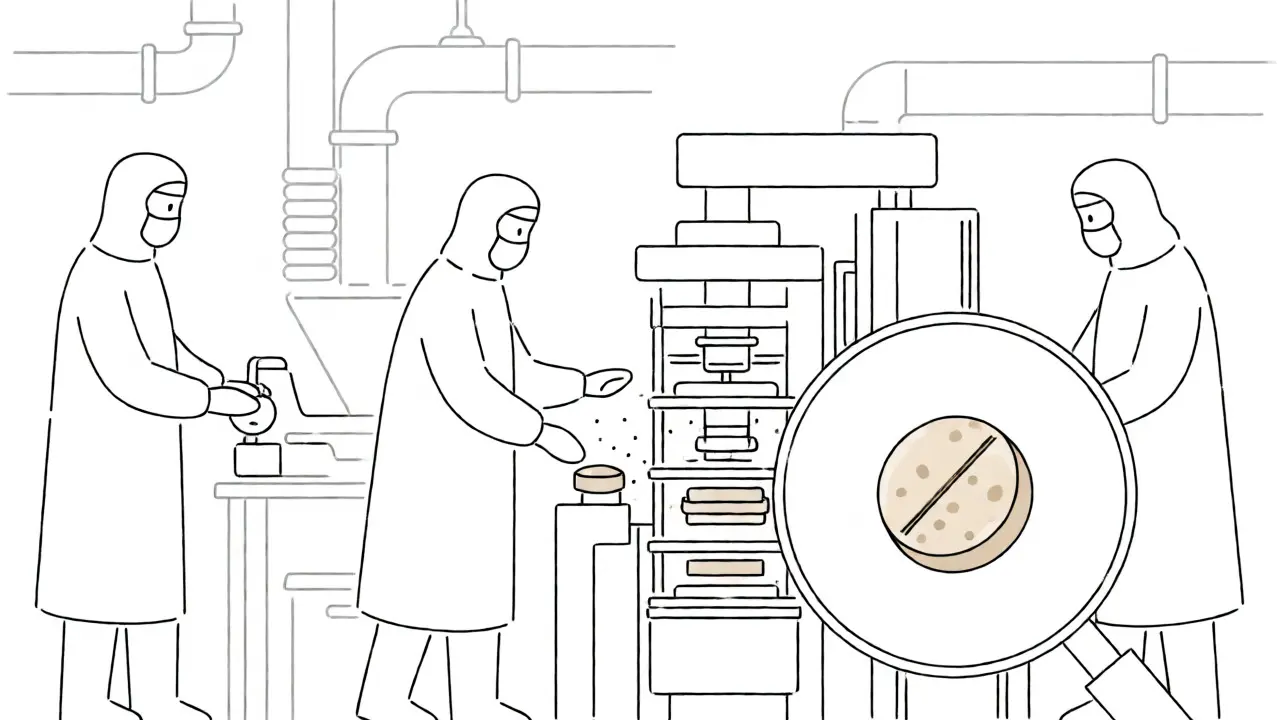
Another factor is cross-contamination. This happens when residues from one drug transfer to another during manufacturing. The FDA defines this as introducing impurities from the environment, other products, or the process itself. Personnel are actually the biggest source of particles in cleanrooms-shedding around 40,000 skin cells per minute. If gowning procedures aren't strict, those cells end up in your medication.
Common Types of Contaminants and Their Sources
Contamination isn't just one thing. It comes in different forms, each with its own origin story. Understanding these helps you grasp why prevention is so critical.
- Chemical Impurities: These include residual solvents or unreacted starting materials. A major recent concern has been nitrosamines, a class of potential carcinogens. The 2018-2019 valsartan crisis saw nitrosamine contamination affect 22 manufacturers across 8 countries, leading to over 2,300 recalls.
- Microbial Contamination: Bacteria, yeast, and mold can grow in non-sterile oral dosage forms. The USP General Chapter <61> sets limits, such as no more than 10^3 colony-forming units (CFU) per gram for total aerobic microbial count. Exceeding this means the drug could cause infections, especially in immunocompromised patients.
- Cross-Contamination: This occurs when trace amounts of a previous product remain in shared equipment. For highly potent drugs, even tiny residues matter. The traditional limit of 10 parts per million (ppm) is now being challenged for potent compounds, with experts arguing for stricter, product-specific criteria.
Physical defects also signal trouble. Unusual specks, discoloration, or crumbling tablets can indicate poor handling or packaging failures. While not always dangerous, they are red flags that the quality control process may have slipped.
Prevention Strategies: How Manufacturers Keep Drugs Clean
So, how do companies stop contamination before it starts? It boils down to three pillars: facility design, cleaning validation, and personnel training.
Facility design is crucial. Modern plants use closed isolator systems that physically separate the drug from human contact. Teva Pharmaceuticals’ Bologna facility, for example, cut cross-contamination incidents by 78% between 2018 and 2022 by switching to closed systems. Older facilities built before 2000 face a 34% higher risk simply due to outdated airflow and layout designs.
Cleaning validation is another key defense. After making one drug, equipment must be cleaned until residue levels drop below scientifically determined acceptance criteria. This isn't guesswork; it requires swab testing and rigorous documentation. Protocols must prove removal of residues with 95% confidence. Developing these protocols takes 6-12 months and involves multiple consecutive successful cycles.
Then there’s people. Training programs require 8-12 hours of initial instruction on contamination prevention, with annual refreshers. Poor gowning techniques or inadequate hand hygiene are frequent causes of breaches. Real-time particle monitoring systems, like those implemented at Mylan’s Morgantown plant, help detect issues instantly, reducing incidents by 82% over three years.
Regulatory Response and Recall Procedures
When prevention fails, the response kicks in. The FDA oversees this through its Center for Drug Evaluation and Research (CDER). Contamination-related issues accounted for 22% of all drug recalls in 2022, with generics specifically involved in 37% of those cases.
The process usually starts with a manufacturer discovering an issue or receiving a complaint. They report it via MedWatch. If the risk is significant, the FDA mandates a recall under 21 CFR Part 7. Recalls are classified by severity: Class I (serious harm or death), Class II (temporary harm), and Class III (unlikely to cause harm but violates regulations).
International coordination matters too. The European Medicines Agency (EMA) reported 42% higher contamination observations in facilities supplying both EU and US markets, highlighting the burden of dual regulatory compliance. The FDA’s PREDICT system now uses data analytics to flag risky imports, screening 37% more shipments than before. Despite this, only about 1% of imported drug products undergo physical inspection for impurities at borders, leaving room for error.
What Patients Should Know and Do
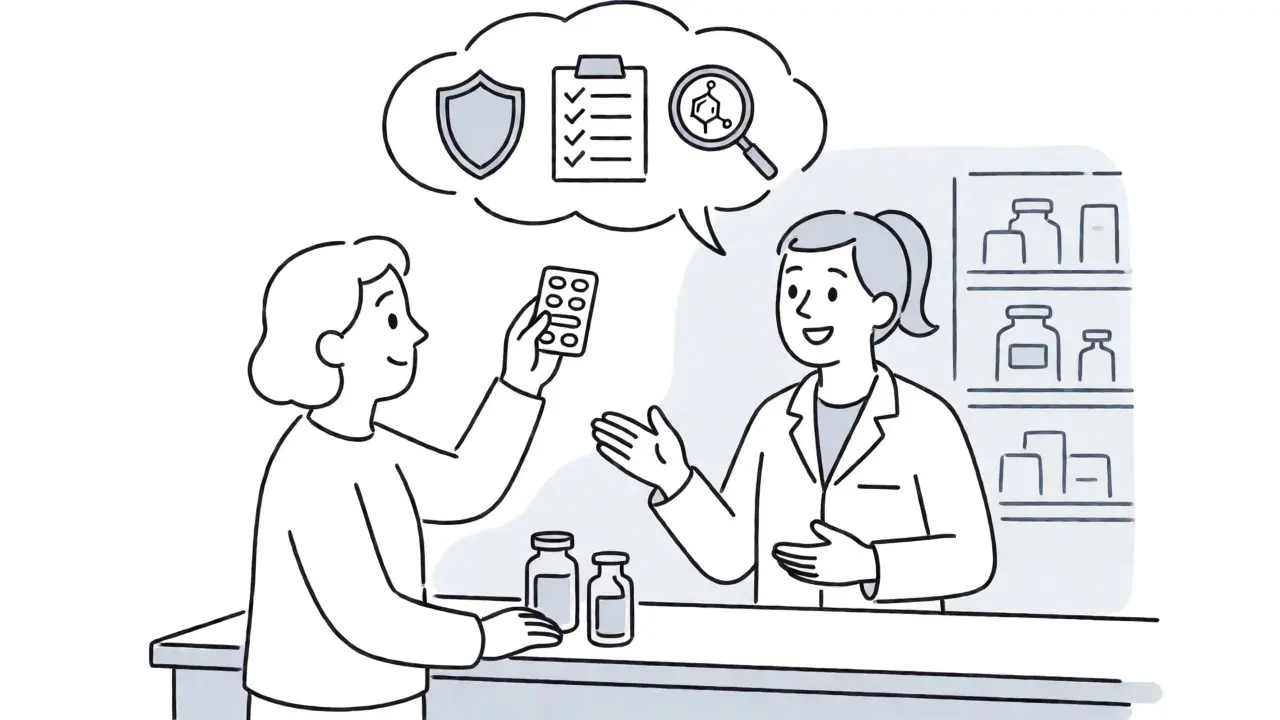
You don’t need a lab coat to protect yourself. Awareness is your first line of defense. Here’s how to navigate the landscape:
- Inspect Your Medication: Look for changes in color, shape, or texture. If a tablet looks different from your usual refill, ask your pharmacist. In one documented case, a patient spotted blue specks in metronidazole tablets, which turned out to be copper contamination.
- Ask About the Manufacturer: Pharmacists often know which suppliers have had recent recalls. You can check the FDA’s recall database online. Knowing who made your drug gives you context if issues arise.
- Report Issues: If you experience unexpected side effects, report them to MedWatch. Patient reports help regulators spot trends faster than inspections alone.
- Store Properly: Heat and humidity degrade drugs, potentially accelerating chemical breakdown. Keep medications in cool, dry places-not in steamy bathrooms.
Remember, most generic drugs are safe and effective. The goal isn't fear, but vigilance. By staying informed, you help ensure that the quality standards meant to protect you are actually met.
| Factor | Generic Drugs | Brand Name Drugs |
|---|---|---|
| Average Profit Margin | 20-25% | 60-70% |
| FDA Inspection Observations (2022) | 8.3% for contamination control | 5.1% for contamination control |
| Recall Frequency (2022) | 37% of contamination-related recalls | Lower incidence relative to volume |
| Supply Chain Complexity | High (often multi-country sourcing) | Variable (often vertically integrated) |
| Quality Control Investment | Constrained by price competition | Higher budget allocation possible |
Frequently Asked Questions
Are generic drugs less safe than brand-name drugs?
Not necessarily. Both must meet the same FDA standards for identity, strength, quality, purity, and potency. However, because generic manufacturers operate on lower profit margins, they may have fewer resources for redundant quality checks or newer facility upgrades, which can slightly increase the statistical likelihood of contamination issues compared to larger innovator firms.
What are nitrosamines and why are they a concern?
Nitrosamines are chemical compounds that can form during the manufacturing process, particularly in drugs containing certain amines. Some nitrosamines are probable human carcinogens. The discovery of elevated nitrosamine levels in drugs like valsartan and ranitidine led to massive global recalls starting in 2018. The FDA now requires mandatory testing for high-risk drug classes.
How does the FDA detect contaminated imports?
The FDA uses a combination of strategies. They inspect foreign manufacturing sites (though coverage is limited), review submission data for Abbreviated New Drug Applications (ANDAs), and use predictive algorithms like the PREDICT system to target high-risk shipments for sampling. Physical testing for impurities is performed on flagged batches at border laboratories.
Can I tell if my medication is contaminated just by looking at it?
Sometimes. Visible signs like discoloration, unusual spots, crumbling, or a strange odor can indicate problems. However, many chemical contaminants like nitrosamines or low-level microbial loads are invisible to the naked eye. That’s why laboratory testing and regulatory oversight are essential.
What should I do if my drug is recalled?
Stop taking the specific lot number identified in the recall notice. Contact your pharmacist immediately; they can often provide a replacement from a different manufacturer or lot without a copay. Check the FDA website or your pharmacy’s notification system for details on the specific batch affected.