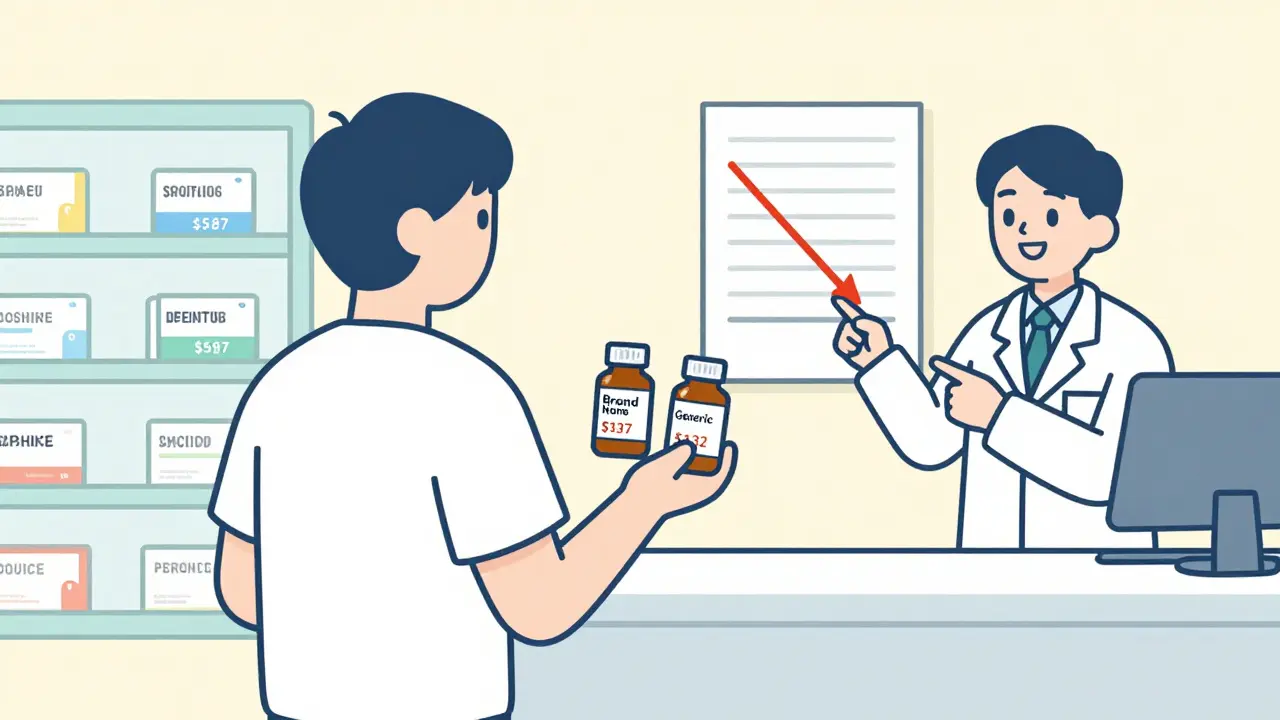

Imagine filling a prescription and seeing your copay drop from $50 to $10 overnight. That’s the reality for many patients when their insurer swaps a brand-name drug for an authorized generic is a pharmaceutical product marketed under the original New Drug Application (NDA) of the brand manufacturer but sold without the brand name, offering identical therapeutic benefits at lower costs. It sounds like a win-win, but navigating how these drugs fit into your insurance plan can be confusing. You might wonder if this switch is safe, why it happened, or if you’re missing out on better coverage elsewhere. Understanding the mechanics behind formulary placement helps you make informed decisions about your healthcare spending and treatment continuity.
What Exactly Are Authorized Generics?
To understand coverage, you first need to know what makes these drugs different from standard generics. Unlike traditional generics that require separate approval through Abbreviated New Drug Applications (ANDAs), authorized generics are produced by the same company that makes the brand-name version. They operate under the original NDA, meaning they don’t need to prove bioequivalence separately because they are, chemically and functionally, the same drug. The only difference? The packaging. No brand logo, no fancy label-just the active ingredient and inactive ingredients exactly as formulated by the originator.
This regulatory shortcut allows them to hit the market quickly, often right after a patent expires or even before traditional competitors enter. For insurers, this creates a unique opportunity: they get the cost savings of a generic price tag with the reliability of a brand-name supply chain. As of 2023, the FDA tracks around 147 active authorized generic products, including well-known medications like Protonix and Yasmin. This limited availability means not every drug has this option, but where it exists, it changes the economics of prescription coverage significantly.
How Insurers Place Them in Formularies
Your health plan uses a formulary-a list of covered drugs organized by tiers-to determine your out-of-pocket costs. Typically, Tier 1 covers preferred generics, Tier 2 non-preferred generics, and Tiers 3 and 4 cover brand-name drugs. So where do authorized generics land? In most commercial plans and Medicare Part D programs, they sit in the same tier as traditional generics, usually Tier 2. A 2022 study analyzing over 1,200 Medicare Part D formularies found that 87% of plans treated authorized generics identically to conventional generics in terms of tier placement.
This placement is crucial because it dictates your copay. If your plan charges $10 for Tier 2 generics, that’s what you’ll pay for an authorized generic, regardless of its brand-name origins. However, some plans still treat them as brand drugs, which happens in about 12% of cases. This discrepancy can lead to unexpected bills. To avoid surprises, check your specific plan’s formulary document. Look for a section labeled “Authorized Generics” or check with your Pharmacy Benefit Manager (PBM) to see how they classify these specific NDC codes (National Drug Codes). If your plan doesn’t explicitly mention them, assume they follow the general generic tier rules, but verify to be safe.
| Attribute | Brand-Name Drug | Traditional Generic | Authorized Generic |
|---|---|---|---|
| Regulatory Basis | New Drug Application (NDA) | Abbreviated New Drug Application (ANDA) | Original NDA |
| Bioequivalence Testing | Required for initial approval | Required vs. reference drug | Not required (identical to brand) |
| Typical Formulary Tier | Tier 3 or 4 | Tier 1 or 2 | Tier 1 or 2 |
| Cost Relative to Brand | Baseline (100%) | ~20-80% less | ~15-25% less |
| Manufacturer | Originator Company | Third-Party Generic Maker | Originator Company |
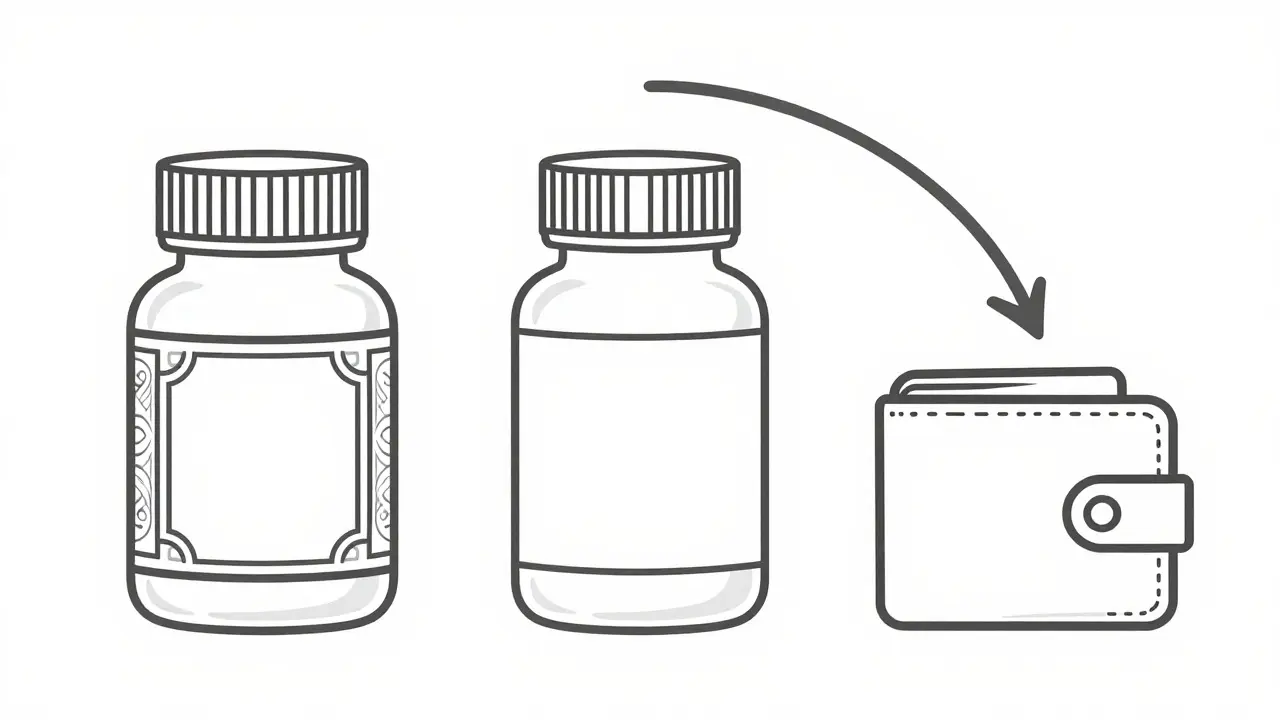
The Financial Impact on Your Wallet
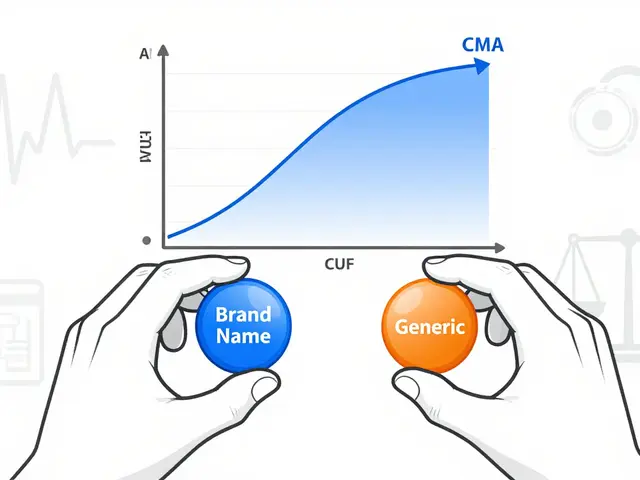
Why does this matter for your bank account? Because authorized generics typically cost 15-25% less than their brand-name counterparts while maintaining the same therapeutic value. For high-cost medications, this difference adds up fast. Consider a patient on a daily cardiovascular medication. If the brand version costs $200 per month and the authorized generic costs $150, and your insurance covers 80% of the cost, your share drops from $40 to $30. It seems small, but over a year, that’s $120 saved. More importantly, for patients with narrow therapeutic index drugs-where slight variations in dosage can cause issues-the authorized generic offers peace of mind. You get the exact formulation you trust, just at a generic price point.
Data from Express Scripts’ 2023 transparency report shows that 89% of authorized generic claims were approved on the first try, compared to 76% for brand-name drugs. This higher approval rate means fewer delays and fewer phone calls to your insurance provider. However, be aware that if your pharmacy isn’t updated on the latest authorized generic lists, you might face temporary denials. Always ask your pharmacist to check if the specific pill you’re receiving is classified as an authorized generic in your system before paying full brand price.
Navigating Pharmacy Confusion and Errors
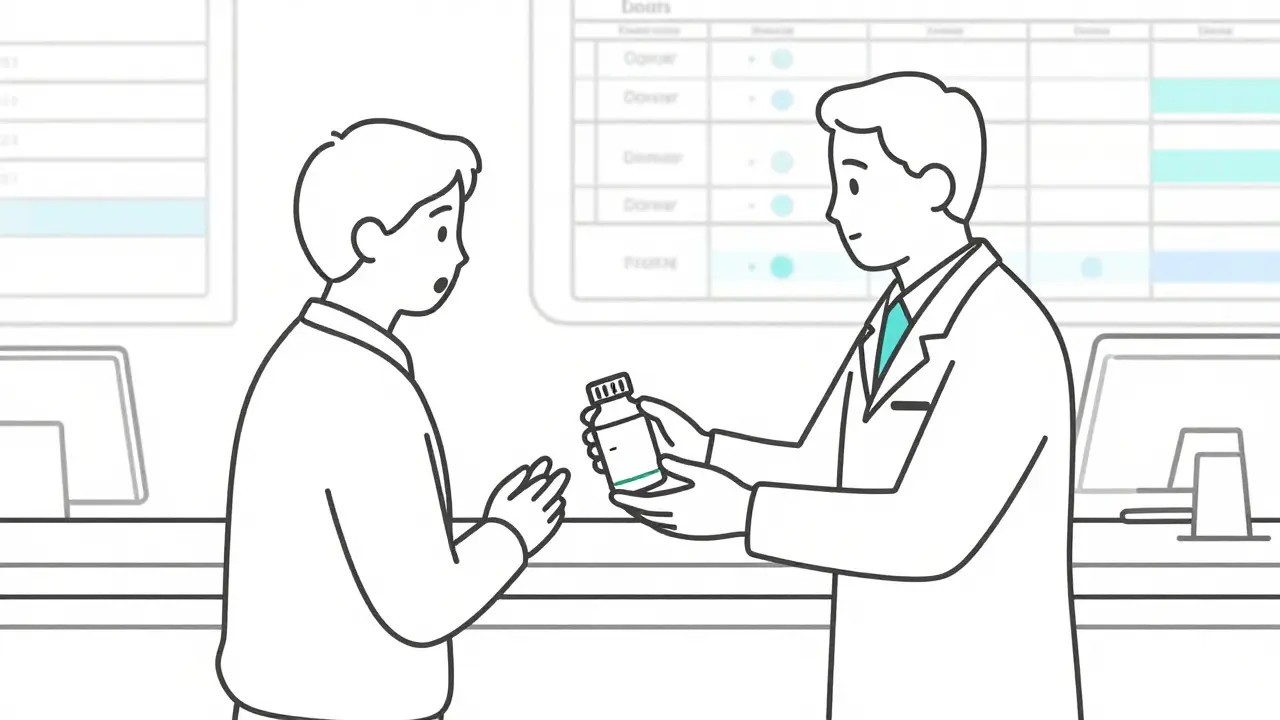
One of the biggest hurdles isn’t the insurance policy itself, but the execution at the pharmacy counter. Since authorized generics aren’t listed in the FDA Orange Book (the database for approved drugs), pharmacy software sometimes struggles to identify them correctly. A Walgreens internal report noted a 12% error rate in processing these prescriptions initially, leading to wrong billing or denied claims. This confusion can leave patients wondering if they received the right medication or if they’re being overcharged.
To mitigate this, major PBMs like CVS Caremark and Prime Therapeutics have implemented specialized tracking tools. Prime Therapeutics’ AG Tracker, for instance, covers 98% of available authorized generics, helping pharmacies flag these drugs automatically. If you’ve experienced a denial or a higher-than-expected copay, here’s what to do:
- Ask for the NDC code: Request the National Drug Code from your pharmacist. Compare it against the FDA’s published list of authorized generics.
- Check the label: Authorized generics will lack the brand name. If you see the brand logo, it’s likely billed as a brand drug.
- Contact your PBM directly: Use the number on your insurance card to ask how the specific NDC is classified. Don’t rely solely on the pharmacy’s interpretation.
- Request a manual override: If the drug is confirmed as an authorized generic but billed as brand, ask the pharmacist to submit a prior authorization or appeal with proof of equivalence.
Future Trends and Regulatory Shifts
The landscape for authorized generics is evolving rapidly. The 2022 Inflation Reduction Act includes provisions that encourage Medicare Part D plans to adopt these drugs to reduce out-of-pocket costs. CMS projects a 15-20% increase in authorized generic coverage by 2025. Major PBMs are already responding. OptumRx launched an “Authorized Generic First” policy for 47 high-cost medications in early 2023, signaling a broader industry shift toward prioritizing these cost-effective options.
However, there’s a catch. Critics argue that brand manufacturers use authorized generics to delay true generic competition. A 2021 Health Affairs article noted that in 22% of cases studied, authorized generics slowed the entry of cheaper third-party generics. This means while you benefit now, long-term prices might not drop as much as they would with open-market competition. For now, though, the immediate benefit to your wallet is real. Keep an eye on your annual plan disclosures. Many large employers are planning to differentiate coverage for authorized generics versus traditional generics in 2024 and beyond, potentially creating new tiers or incentives for choosing one over the other.
Frequently Asked Questions
Are authorized generics safer than traditional generics?
They are considered therapeutically equivalent to brand-name drugs because they are manufactured under the same NDA. For patients with sensitivities to inactive ingredients in third-party generics, authorized generics offer the same safety profile as the brand drug they replace, making them a preferred choice for those with specific allergies or narrow therapeutic index conditions.
Why did my insurance approve the authorized generic instead of the brand?
Insurers aim to control costs while maintaining quality. Since authorized generics are identical to the brand drug but cost 15-25% less, most plans place them in the generic tier. This allows you to receive the same medication at a lower copay. If you prefer the brand packaging or name, you may need to file an appeal, but clinically, there is no difference.
How do I know if my medication is an authorized generic?
Check the packaging for the absence of a brand name. You can also look up the NDC code on the FDA’s official list of authorized generic drugs. Additionally, ask your pharmacist to confirm the classification in their dispensing system, as major PBMs now flag these drugs specifically to ensure correct billing.
Do all insurance plans cover authorized generics the same way?
No. While 87% of Medicare Part D plans treat them as generics, some commercial plans may still classify them as brand drugs, resulting in higher copays. Always review your plan’s formulary guide or contact your PBM to confirm how specific authorized generics are tiered in your individual coverage.
Will authorized generics become more common in the future?
Yes. With the U.S. market growing at a compound annual growth rate of 8.4% through 2027 and new regulations encouraging their use in Medicare Part D, expect to see more of these options available. Major PBMs are actively updating their systems to prioritize them, which should lead to wider adoption and potentially lower overall prescription costs for consumers.