Liver Enzyme Risk Calculator
Enter your lab values below to understand what they mean. This tool helps interpret whether an elevation is likely a harmless blip or requires immediate attention.
Quick Reference Guide
| Category | Level vs ULN | Action |
|---|---|---|
| Mild | 1–3x ULN | Continue meds, retest in 2-4 weeks. |
| Moderate | 3–5x ULN | Investigate causes, consider dose adjustment. |
| Severe | >5x ULN | Stop med immediately, urgent evaluation. |
You walk out of your doctor's office holding a blood test result that says your liver enzymes are "elevated." Your stomach drops. You immediately picture yellow skin, fatigue, and the end of your daily routine. But before you panic or toss your prescription bottle in the trash, take a breath. In most cases, mild elevation of liver enzymes is a harmless blip on the radar, not a sign that your liver is failing.
Here is the reality check: roughly 10-15% of people see minor bumps in their liver tests during routine blood work. For many, it’s simply their body adjusting to a new medication. Understanding what these numbers actually mean can save you from unnecessary anxiety and, more importantly, from stopping a life-saving drug like a statin without good reason.
What Are Liver Enzymes and Why Do They Rise?
Your liver is a chemical factory. It processes everything you eat, drink, and swallow. To do this, it uses specific proteins called enzymes. The two big players you’ll see on your lab report are ALT (Alanine Aminotransferase) and AST (Aspartate Aminotransferase). When liver cells get stressed or slightly irritated, they leak these enzymes into your bloodstream.
Think of it like a smoke detector going off because you burned toast. It doesn’t mean your house is on fire; it just means there’s some smoke. Mild elevation usually refers to levels between 1 and 3 times the upper limit of normal (ULN). If your ALT is normally capped at 40 units per liter (U/L), a reading of 60-120 U/L is considered mild. This is rarely dangerous. It often happens when your liver is working harder than usual to process a new medication, but it hasn’t suffered any permanent damage.
The Usual Suspects: Which Medications Cause This?
It isn’t just one type of drug. A wide range of common prescriptions can cause these temporary spikes. Here are the most frequent culprits:
- Statins: Used for high cholesterol. About 0.5-2% of users see mild enzyme rises. Interestingly, the FDA dropped routine monitoring requirements for statins in 2012 because these elevations were proven to be clinically insignificant for most people.
- Acetaminophen (Paracetamol): Even at standard doses, up to 58% of healthy non-drinkers might show slight enzyme increases if they take 4 grams daily for a week. This is why doctors warn against exceeding the recommended dose.
- Antibiotics: Drugs like amoxicillin-clavulanate or certain sulfa-based antibiotics can irritate the liver temporarily.
- Methotrexate: Often used for arthritis or psoriasis. Low-dose therapy causes abnormalities in about 10-15% of patients, but this is expected and monitored closely.
- NSAIDs: Ibuprofen and naproxen can cause mild changes, especially with long-term use.
When Is It Actually Dangerous?
Context is everything. A number on a page doesn’t tell the whole story. Doctors look for patterns, not just isolated results. According to guidelines from the American College of Gastroenterology, mild elevations under 3 times the ULN in an asymptomatic patient are almost always benign.
You should worry more if:
- Levels exceed 5 times the upper limit of normal.
- You have symptoms like jaundice (yellowing of eyes/skin), dark urine, pale stools, or severe abdominal pain.
- Bilirubin levels (another liver marker) rise alongside the enzymes.
- The elevation persists or worsens over several months despite no change in medication.
If you feel fine and your levels are only slightly above the line, it’s likely just your liver adapting. Recent research suggests these mild rises may represent "liver adaptation"-a cellular response rather than injury. Histological studies have shown no actual inflammation or cell death in many cases where enzymes were mildly elevated.
Should You Stop Taking Your Medication?
This is the million-dollar question. Many patients stop taking their meds out of fear. A GoodRx survey found that 58% of people with mild enzyme elevations stopped their prescribed treatment without asking their doctor first. This can backfire badly, especially if you’re treating heart disease or chronic pain.
Current medical consensus says: don’t quit yet. For statins, specifically, the American Heart Association states that isolated ALT elevations below 3x ULN should not prompt discontinuation. In fact, a study published in the Journal of Hepatology showed that 73% of patients who continued their statin despite mild enzyme rises saw those levels return to normal on their own.
Stopping a statin because of a mild enzyme bump could cost you cardiovascular protection. One analysis estimated that inappropriate statin discontinuation due to these fears costs the US healthcare system $1.2 billion annually in preventable heart events.
How to Manage Mild Elevations
So, what’s the plan? Usually, it’s watchful waiting. Here is a typical approach your doctor might take:
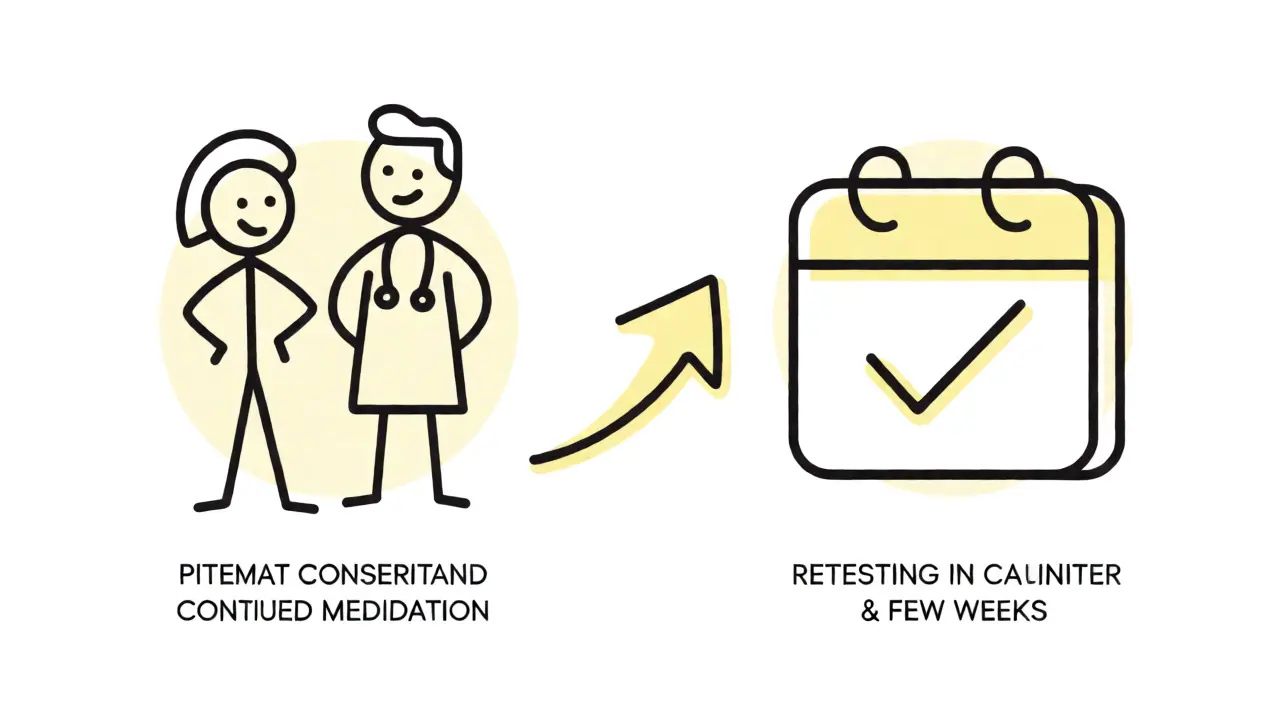
- Repeat the Test: Don’t make decisions based on one blood draw. Wait 2-4 weeks and retest. Stress, exercise, or even a heavy meal can skew results.
- Check Other Factors: Rule out other causes like alcohol consumption, viral hepatitis, or fatty liver disease (NAFLD), which affects up to 30% of the population.
- Adjust Dose if Needed: If levels remain stable but high, your doctor might lower the dose or switch to a different medication within the same class.
- Monitor Symptoms: Keep an eye out for physical signs of liver distress. If you feel great, the numbers matter less.
| Category | ALT/AST Level (vs Upper Limit of Normal) | Typical Action |
|---|---|---|
| Mild Elevation | 1-3 times ULN | Continue medication; retest in 2-4 weeks. Monitor for symptoms. |
| Moderate Elevation | 3-5 times ULN | Investigate causes. Consider dose reduction or alternative drugs. Closer monitoring. |
| Severe Elevation | >5 times ULN | Suspend medication immediately. Urgent evaluation for acute liver injury. |
Common Myths vs. Facts
Myth: Elevated enzymes mean my liver is damaged. Fact: Enzymes indicate stress or leakage, not necessarily damage. Many people have elevated enzymes with perfectly healthy livers.
Myth: I need to take liver supplements to fix this. Fact: Most supplements aren’t regulated and can sometimes harm the liver further. Unless your doctor prescribes them, stick to lifestyle basics like limiting alcohol and maintaining a healthy weight.
Myth: Once elevated, they stay high forever. Fact: Drug-induced elevations are often transient. Your liver has incredible regenerative capabilities. Once the irritant is removed or the body adapts, levels typically normalize.
Next Steps for Patients
If you see a flag on your lab report, don’t spiral. Talk to your pharmacist or doctor. Ask them: "Is this level concerning given my other medications and health history?" Bring a list of all supplements and over-the-counter drugs you take, as interactions can hide in plain sight.
Remember, your liver is resilient. Mild elevation is a signal to pay attention, not a verdict of failure. By understanding the context, you can keep your treatments effective and your peace of mind intact.
Can exercise raise my liver enzymes?
Yes. Intense physical activity, such as marathon running or heavy weightlifting, can cause temporary spikes in AST and ALT levels. This is due to muscle breakdown, not liver damage. Doctors usually recommend avoiding strenuous exercise for 24-48 hours before a blood test to get an accurate baseline.
Do I need to stop drinking alcohol if my enzymes are mildly elevated?
Not necessarily completely, but moderation is key. Alcohol stresses the liver. If you have mild elevations, cutting back significantly can help determine if alcohol is contributing to the issue. However, total abstinence is usually only required if levels are very high or if there is evidence of alcoholic liver disease.
How long does it take for liver enzymes to return to normal after stopping a medication?
For most medications, levels begin to drop within days of stopping the drug and typically return to normal within 1-2 weeks. However, for drugs with long half-lives or if there was significant irritation, it might take several weeks or even a few months. Always consult your doctor before stopping any prescription.
Are herbal supplements safe for my liver?
Not always. Some popular supplements like green tea extract, kava, and black cohosh have been linked to liver injury. Because supplements aren't strictly regulated by agencies like the FDA, their purity and potency vary. Always inform your doctor about any herbs you take, as they can interact with prescription meds and affect enzyme levels.
Does fatty liver cause mild enzyme elevation?
Yes, Nonalcoholic Fatty Liver Disease (NAFLD) is a leading cause of mild, persistent ALT elevations. If you are overweight or have diabetes, your doctor might check for fatty liver via ultrasound. Managing weight through diet and exercise is the primary treatment for NAFLD-related enzyme issues.