| Feature | Brand-Name Drug | Generic Drug |
|---|---|---|
| Active Ingredient | Same | Same |
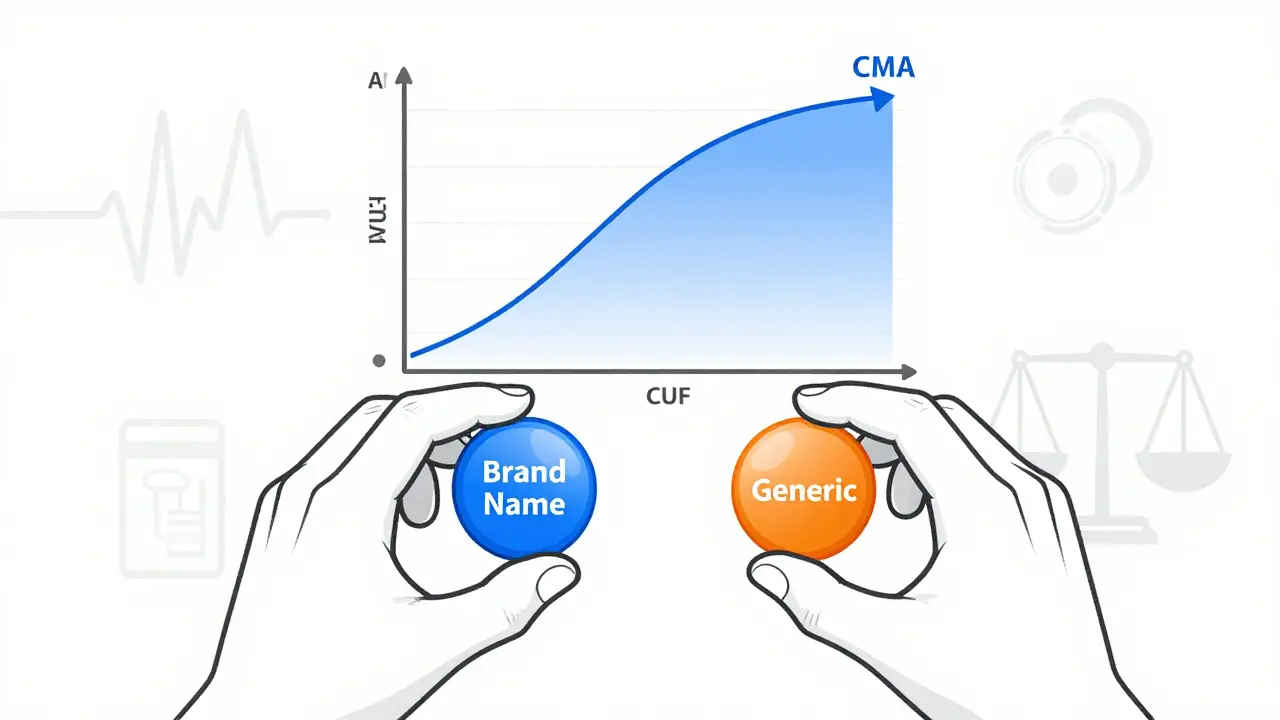
| FDA Bioequivalence | The Standard | Must match (80-125% AUC/Cmax) |
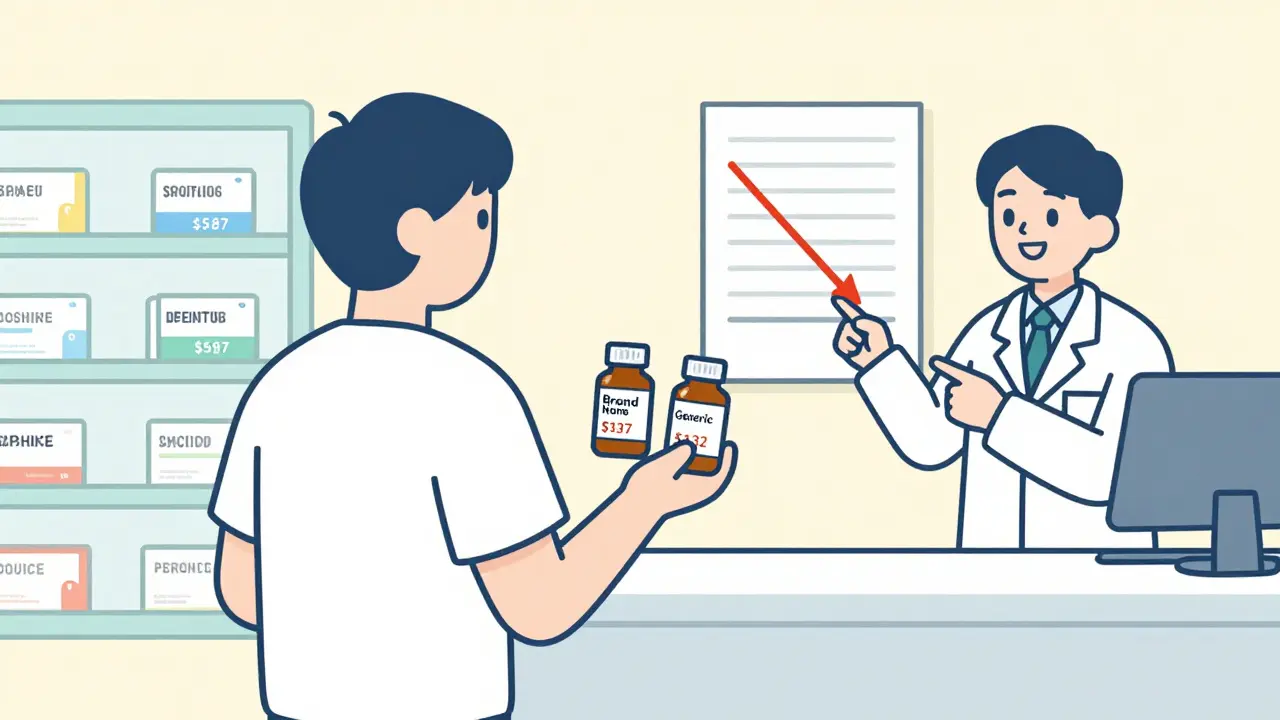
| Price Point | Significantly Higher | Much Lower |
| Patient Perception | High Trust / Reliability | Skepticism / Cost-saving |
The Psychological Safety Net
For many, a brand name isn't just a label; it's a promise. When you take a medication for a chronic condition, you aren't just buying a chemical compound; you're buying a feeling of stability. This is where the psychological comfort of familiarity kicks in. If a specific brand has kept your blood pressure steady for a decade, the idea of switching to a generic-even one that is chemically identical-feels like a gamble. This "trust gap" is particularly visible in Gen Z. While you'd expect the youngest generation to be the most price-conscious, a 2022 Fortune survey showed that 35% of Gen Z consumers actually prefer brand-name meds. Why? Because 62% of them trust these brands more for quality and safety. They aren't just being loyal; they are seeking a "value-driven trust." They want proof that the product works before they commit to a cheaper alternative.Where the Fear Comes From: The "Generic Paradox"
It's not all just in the head. While the FDA is the agency responsible for regulating food and drugs in the US confirms that generics are bioequivalent, patients often report a different experience. Take antidepressants or antiepileptics, for example. In these categories, brand loyalty is incredibly high because the margin for error is tiny. A slight difference in an inactive ingredient or the way a pill dissolves can feel like a massive shift in mood or stability. On platforms like Reddit, you'll see patients in r/pharmacy sharing stories about how they tried three different generics for their psychiatric meds, but only the brand name worked consistently. While clinical data often suggests these differences are perceived rather than pharmacological, the lived experience of the patient is what drives their loyalty. If you feel a difference, it's real to you, regardless of what a lab report says.
The Doctor's Influence and Global Trends
Your pharmacist might push the generic, but your doctor's word is often the final law. Interestingly, this isn't always about the medicine itself. In Japan, about 57% of physicians prefer brand-name drugs, often because of differing regulatory standards for generic approvals compared to the US. In other regions, like Spain, some patients demonstrate absolute loyalty. Data from the Health Barometer indicates that roughly 13% of Spanish consumers simply refuse generics, no matter the cost or the doctor's advice. This suggests that in some cultures, the brand is seen as a mark of prestige or a guarantee of a higher standard of care that a generic simply cannot provide.The Financial Toll of Trust
The economic gap here is staggering. In the US, generics make up about 90% of the prescriptions filled, but they only account for 22% of the spending. This means brand-name drugs are eating up 78% of the revenue. Companies like Pfizer one of the world's largest pharmaceutical companies and AbbVie maintain massive revenue shares long after their patents expire because patients-and some doctors-simply won't switch. This creates a strange situation where education levels play a role. A 2023 PMC study found that lower-educated consumers are actually 1.54 times more likely to stay loyal to a brand regardless of price changes. It's a heartbreaking irony: the people who can least afford the premium are often the ones most afraid to let go of the brand they trust.
The New Frontier: Biosimilars and Biologics
As we move into more complex medicines, like Biosimilars biological products that are highly similar to an already approved reference biologic , the loyalty battle is getting even more intense. Biologics are grown in living cells, not mixed in a beaker, making them far more complex than traditional chemicals. Because of this, only about 32% of eligible patients switched to a biosimilar within the first year of availability. When the medicine is treating something as serious as rheumatoid arthritis or cancer, the fear of a "similar but not identical" product is overwhelming. 78% of patients in these specialty areas report they are unwilling to switch. In these cases, brand loyalty isn't just about marketing-it's about an intense need for absolute predictability.How to Move Toward Generics Safely
If you're looking to save money but are nervous about switching, you aren't alone. About 43% of patients report anxiety when moving to a generic. The key is education and a slow transition.- Check the Orange Book: The FDA's Orange Book lists therapeutic equivalence. Look for "A-rated" generics, which are considered therapeutically equivalent to the brand.
- Talk to your Pharmacist: A detailed explanation of bioequivalence (the 80-125% confidence interval for how the drug enters the blood) can reduce anxiety.
- Start with "Commodity" Meds: If you're scared, start by switching your low-stakes meds-like statins or antihistamines-where the generic substitution rate is already near 100%.
- Monitor Your Response: Keep a simple log of how you feel during the first two weeks of a switch. This takes the guesswork out of the process.
Are brand-name drugs actually more effective than generics?
Clinically, no. For a generic to be approved, it must prove bioequivalence to the brand name, meaning it delivers the same amount of active ingredient to the bloodstream at the same rate. However, some people react differently to the inactive ingredients (fillers, dyes, binders), which can make the experience feel different.
Why do some doctors refuse to prescribe generics?
Some physicians prefer brands for patients with chronic or complex diseases where even a tiny fluctuation in drug absorption could cause a relapse. In some countries, like Japan, differences in regulatory approval standards also make doctors more cautious about generics.
Is it safe to switch from a brand-name medication to a generic mid-treatment?
For most medications, yes. However, for "narrow therapeutic index" drugs (like certain antidepressants or seizure meds), you should always consult your doctor first to ensure a smooth transition and monitor for any changes in efficacy.
Why are brand-name drugs so much more expensive?
The high cost covers the initial research, development, and clinical trials. Once the patent expires, other companies can produce the same drug without those massive R&D costs, which is why generics are so much cheaper.
What is the difference between a generic and a biosimilar?
Generics are exact chemical copies of small-molecule drugs. Biosimilars are for large, complex proteins (biologics). Because biologics are made in living cells, a biosimilar cannot be an "exact" copy, only "highly similar," which is why trust is harder to establish for them.