Antihistamine & Alcohol Safety Checker
Select the medication you are taking to see the potential interaction risk and recommended safety window.
Synergistic Effect
Recommended Wait Time
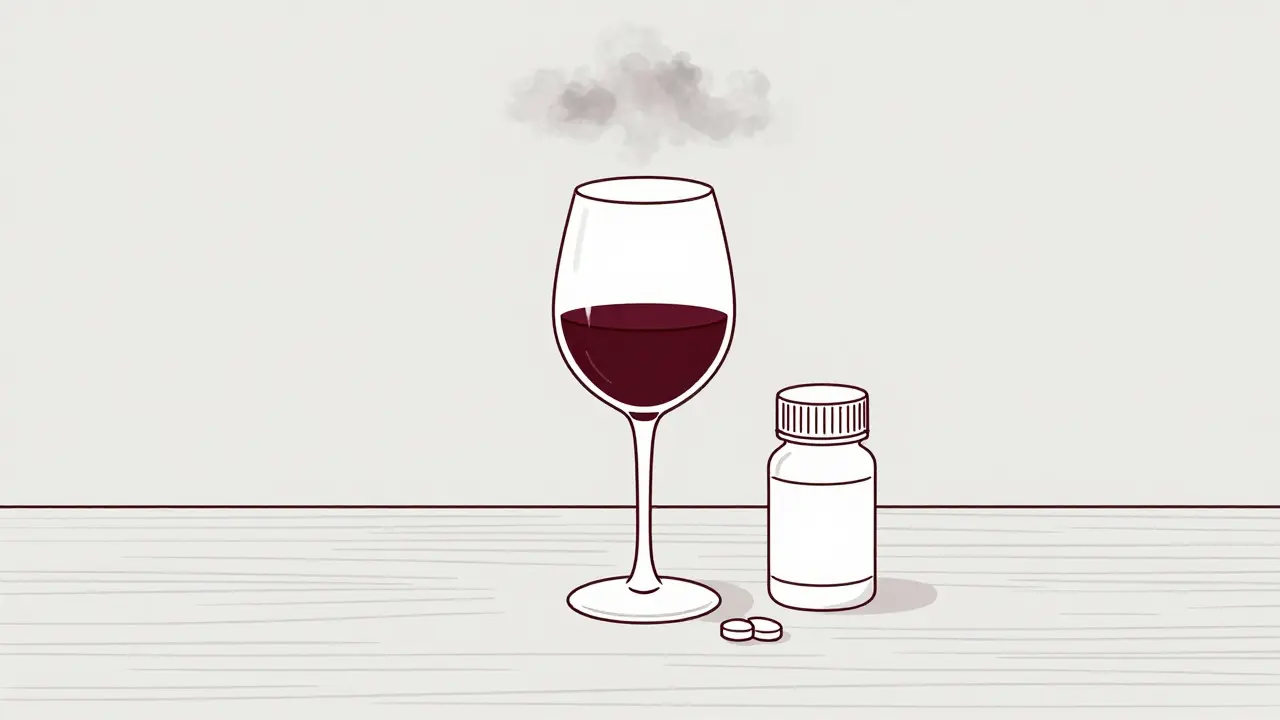
You might think a glass of wine after a long day is harmless, even if you've taken a pill for your hay fever. But mixing antihistamines and alcohol is a risky gamble with your central nervous system. While one is meant to stop your sneezing and the other to help you unwind, together they act as a "double dose" of sedation that can knock you out faster than you'd expect.
Quick Safety Guide
- First-Gen (e.g., Benadryl): High risk. Severe sedation and impaired coordination.
- Second-Gen (e.g., Claritin, Zyrtec): Moderate risk. Still causes drowsiness when mixed.
- The Danger: Enhanced CNS depression, slower reaction times, and respiratory risks.
- Best Practice: Wait 8-16 hours after medication before drinking.
How the Interaction Actually Works
To understand why this happens, we have to look at the brain. Both alcohol and many allergy meds are CNS depressants, meaning they slow down the activity of your central nervous system. They just do it in different ways.
Alcohol works by boosting GABA, a chemical that inhibits brain activity, while simultaneously blocking NMDA receptors. On the other hand, older antihistamines block histamine H1 receptors in the brain. When you combine them, they don't just add up; they multiply. This is called a synergistic effect. According to data from the National Institute on Alcohol Abuse and Alcoholism, mixing the two can increase drowsiness side effects by up to 300% compared to using either one alone.
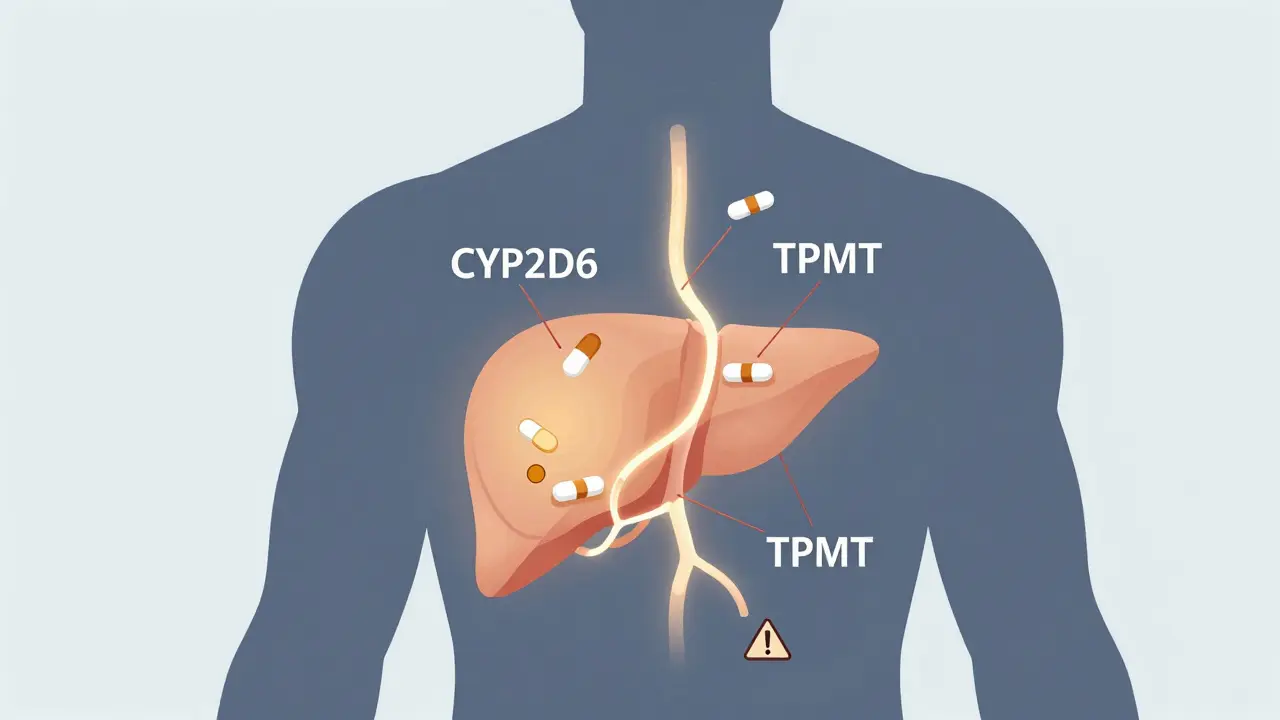
It's not just about feeling sleepy. Your liver uses the cytochrome P450 enzyme system to process both substances. Alcohol can hog these enzymes, specifically CYP3A4 and CYP2D6, which means the antihistamine stays in your bloodstream 25-40% longer than it should. Essentially, you're keeping the drug in your system longer while the alcohol makes its effects more intense.
First-Generation vs. Second-Generation Risks
Not all allergy meds are created equal. The danger depends heavily on which "generation" of drug you're taking. First-generation drugs were developed back in the 1940s and are small enough to cross the blood-brain barrier easily. Second-generation drugs were engineered later to stay out of the brain and focus on the rest of the body.
Diphenhydramine (found in Benadryl) is the classic first-generation example. On its own, it makes about half of users drowsy. Add a couple of drinks, and that risk sky-rockets. Clinical studies show that combining diphenhydramine with alcohol reduces reaction time by 47% more than alcohol alone. This is why the CDC noted that 28% of traffic fatalities in 2021 involved drivers with both sedating meds and alcohol in their system.
Then there are the "non-drowsy" options like Loratadine (Claritin) or Cetirizine (Zyrtec). While they are safer, they aren't a free pass. When people drink alcohol while taking Zyrtec, drowsiness rates jump from about 15% to as high as 45%. The "non-drowsy" label is a general guideline, not a guarantee of safety when you're drinking.
| Drug Type | Examples | Drowsiness (Alone) | Drowsiness (With Alcohol) | Brain Penetration |
|---|---|---|---|---|
| First-Generation | Benadryl | ~50% | 60%+ | High |
| Second-Generation | Claritin | 10-15% | 30-35% | Low |
| Second-Generation | Zyrtec | 15-20% | 40-45% | Moderate |
Who is Most at Risk?
While anyone can be impaired, older adults (65+) are in a much more dangerous position. The FDA reports that seniors experience 2.3 times greater CNS depression from this combination than younger people. This leads to a massive 75% increase in the risk of falls and hip fractures. For a senior, a single glass of wine and a Benadryl pill can lead to severe confusion or a life-altering injury.
There's also the danger of "hidden" antihistamines. Diphenhydramine isn't just in allergy pills; it's in dozens of over-the-counter sleep aids and cold/flu medications. If you take a "nighttime" cold syrup and then have a drink, you're effectively mixing these substances without even knowing it. This is a common way people accidentally overdose or pass out unexpectedly.
Real-World Consequences
If you look at community reports from places like Reddit or medication reviews, the stories are consistent. Many users report "passing out unexpectedly" or feeling an intensity of intoxication that doesn't match the amount they drank. Some have described falling asleep at the wheel, proving that the impairment is often sudden and severe.
In the most extreme cases, this combination causes respiratory depression. The American Academy of Allergy, Asthma & Immunology found that 42% of emergency room visits related to these interactions required hospitalization because the patient's breathing became dangerously shallow.
Safe Alternatives and Precautions
If you know you're going to be drinking, you have a few options to avoid the drowsiness trap. First, timing is everything. Doctors generally recommend waiting 12-16 hours after a first-generation antihistamine before having a drink, and about 8-12 hours for second-generation options.
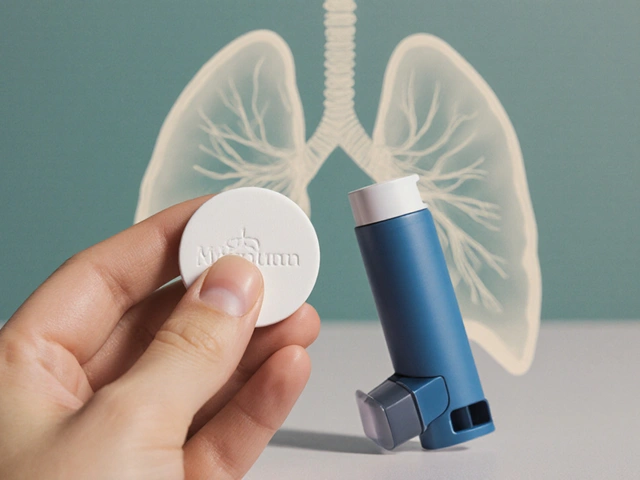
If your allergies are unbearable and you need a solution that won't interact with your evening cocktail, consider options that don't cross the blood-brain barrier at all. Nasal corticosteroids (like Flonase) or leukotriene inhibitors (like Singulair) generally have no known interaction with alcohol. Just keep in mind that these aren't instant fixes-they often take 3 to 7 days of consistent use to reach full effectiveness.
Can I drink alcohol if I'm taking a "non-drowsy" antihistamine?
While the risk is lower than with older medications, it's not zero. Alcohol can still trigger sedation in people taking second-generation antihistamines like Claritin or Zyrtec. If you do drink, start with a very small amount to see how your body reacts, but the safest bet is to avoid combining them entirely.
What should I do if I've already mixed Benadryl and alcohol?
If you're feeling excessively sleepy, dizzy, or confused, stop drinking immediately and do not drive or operate machinery. Have a trusted friend monitor you. If you experience difficulty breathing or cannot stay awake, seek emergency medical attention immediately.
Is it safe to take an antihistamine for a severe allergic reaction if I've been drinking?
In a life-threatening allergic reaction (anaphylaxis), medical professionals advise that you should not withhold necessary medication, even if you've consumed alcohol. However, because the interaction is dangerous, you must seek immediate emergency medical care so your respiratory system can be monitored.
Why do some people feel it more than others?
Everyone's liver metabolizes drugs differently. Some people have a slower cytochrome P450 enzyme system, meaning the medication stays in their system longer. Age and overall health also play a huge role, with older adults being significantly more sensitive to CNS depressants.
Are there any allergy meds that are completely safe with alcohol?
Nasal sprays (corticosteroids) and certain prescription leukotriene inhibitors are generally considered safe because they don't act as systemic CNS depressants. Always check the label or ask a pharmacist to confirm your specific medication's safety profile.

Comments
15 Comments
Timothy Brown
People really need to stop pretending they can handle their liquor when they're on meds. It's common sense, but apparently, not for everyone.
prince king
This is such a great reminder of how interconnected our body systems are! 🌟 It's fascinating to think about how a simple pill and a drink can create such a powerful synergy. Stay safe everyone! 🙏✨
Peter Minto
Whoever wrote this is just tryin to scare us. I take benadryl and beer all the time and im fine. America dont need more rules tellin us what to do with our own bodies!!
Dale Kensok
The reductionist approach here is almost quaint. We are discussing a systemic pharmacokinetic interaction mediated by the CYP450 enzymatic pathway, yet the narrative framing is geared toward the lowest common denominator. The synergistic potentiation of GABAergic activity isn't just 'danger,' it's a predictable pharmacological outcome for anyone with a rudimentary grasp of neurochemistry. The cognitive dissonance in the general population regarding blood-brain barrier permeability is truly staggering.
lalit adesara
Western medicine is just warnings. Lack of discipline.
Sharon Mathew
Oh please! As if a little drowsiness is a 'life-altering injury'! This is such a dramatic overstatement of the risks. I've had a glass of wine on Zyrtec and the only thing that happened was I fell asleep on the couch, which is actually a luxury for some of us! The medical industry just loves to play the fear card to make us feel fragile!
Jarrett Jensen
While the information provided is technically accurate, the presentation lacks the academic rigor one would expect from a truly comprehensive medical analysis. It is quite tedious to encounter such simplistic summaries of complex biochemical interactions. One must wonder if the author believes the average reader is incapable of comprehending the nuance of hepatic metabolism without these rudimentary tables. It is frankly exhausting to see such pedestrian explanations of the cytochrome P450 system.
Jenna Riordan
I've seen people pass out at parties doing this and it's not funny. I don't care if you think you're tough, your liver doesn't care.
Trish Perry
It's wild how we just assume our bodies can handle everything we throw at them. We treat our biology like it's a machine with an infinite override switch, but really we're just chemistry in a skin suit. It makes you realize that 'moderation' is a really subjective term depending on what's already in your bloodstream.
Aubrey Johnson
The distinction between first and second generation drugs is clear. It is simply a matter of following the instructions on the label.
Justin Crice
The mention of CYP3A4 inhibition is critical here, as it highlights the metabolic bottleneck that occurs when ethanol competes for the same enzymatic resources. This effectively increases the area under the curve for the antihistamine's plasma concentration, thereby extending the half-life and intensifying the sedative effect on the central nervous system. It is a classic example of competitive inhibition in pharmacokinetics.
Raymond Lipanog
It is prudent to consider that individual biological variance plays a significant role in these interactions. We must approach these medical guidelines with a sense of humility, acknowledging that what is a mild sedative for one may be a profound depressant for another, especially as we age.
Angela Cook
Get real with these 'warnings'! My country deals with way tougher stuff than a little Benadryl and wine. Stop babying adults!
Steve Grayson
I agree with the point about nasal sprays being a better bet. I've used Flonase for years and never felt that heavy fog that comes with the oral pills, especially when I'm out with friends.
Michael Yoste
You know, I've seen so many people just ignore this and then wonder why they wake up in a weird place. It's almost sad how we think we're the exception to the rule. I'm just here to help you guys realize that your body is telling you no, even if your brain is saying yes!
Write a comment