
Parkinson's Protein Redistribution Planner
Your Details
Enter your stats to calculate your protein allowance.
Ready to Optimize?
Enter your weight on the left to see how you should distribute protein throughout your day.
Have you ever taken your Parkinson’s medication, waited for the relief, and felt nothing but stiffness? You aren’t imagining it. For many people with Parkinson’s disease (PD), the problem isn’t just the progression of the condition-it’s what’s on their plate. Specifically, high-protein meals can block Levodopa, the primary medication used to treat Parkinson's symptoms by replenishing dopamine levels in the brain from doing its job. This happens because dietary proteins and levodopa compete for the same transport systems in your gut and brain. Understanding this biological tug-of-war is the first step toward regaining control over your mobility.
The Science Behind the Blockade
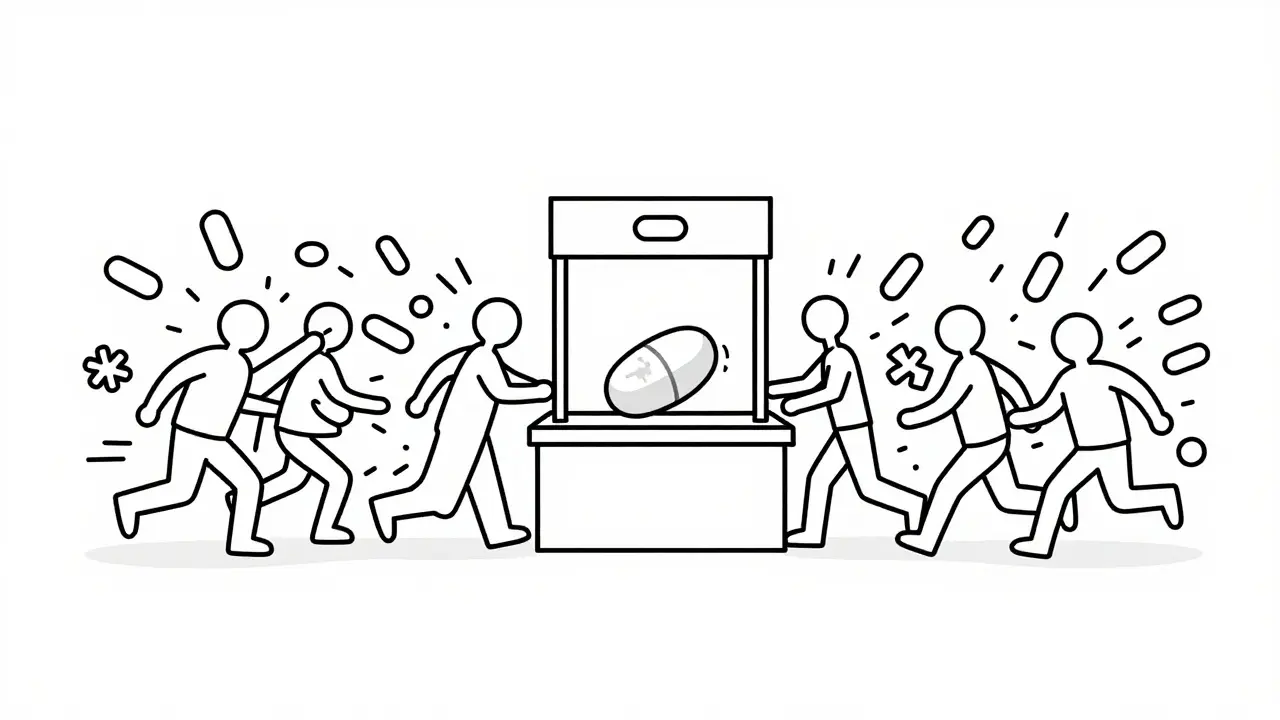
To understand why steak or eggs might stop your meds from working, we need to look at how levodopa travels through your body. Levodopa needs a specific "ticket" to enter your bloodstream and cross the blood-brain barrier (BBB). This ticket is called the Large Neutral Amino Acid (LNAA) transporter system. The catch? Other amino acids-the building blocks of protein-use the exact same ticket booth.
When you eat a meal rich in protein, your digestive system breaks it down into LNAAs like leucine, isoleucine, valine, phenylalanine, tyrosine, tryptophan, and methionine. These amino acids flood your system within 30 to 60 minutes. Because there are so many of them, they crowd out levodopa. Research by Pardridge and Oldendorf in 1977 established that this competition reduces levodopa absorption by 25-40% and delays its peak effect by up to 90 minutes. If you take your pill with a high-protein breakfast, you’re essentially sending levodopa to the back of the line while thousands of amino acids cut ahead of it.
This interaction typically becomes noticeable about 8 years after starting levodopa therapy or 13 years after motor symptoms begin. At this stage, roughly 40-50% of patients experience "off" periods-times when the medication wears off unpredictably. Studies show that consuming a high-protein meal alongside levodopa can increase these motor fluctuations by 32-79%. The threshold for this interference is surprisingly low; as little as 10 grams of protein per meal can significantly impact absorption, with loads over 20 grams causing substantial reductions in drug bioavailability.
Three Dietary Strategies to Regain Control
You don’t have to give up protein entirely, but you do need to manage it strategically. There are three main approaches recognized by clinical guidelines, including the NICE standards for Parkinson’s care. Each has pros and cons, and the right choice depends on your lifestyle and disease stage.
- Low Protein Diet (LPD): This approach restricts total daily protein intake to 0.6-0.8 grams per kilogram of body weight. For a person weighing 60-70 kg, this means eating only 40-50 grams of protein a day. While effective, it is hard to sustain long-term and carries risks of muscle loss if not monitored carefully.
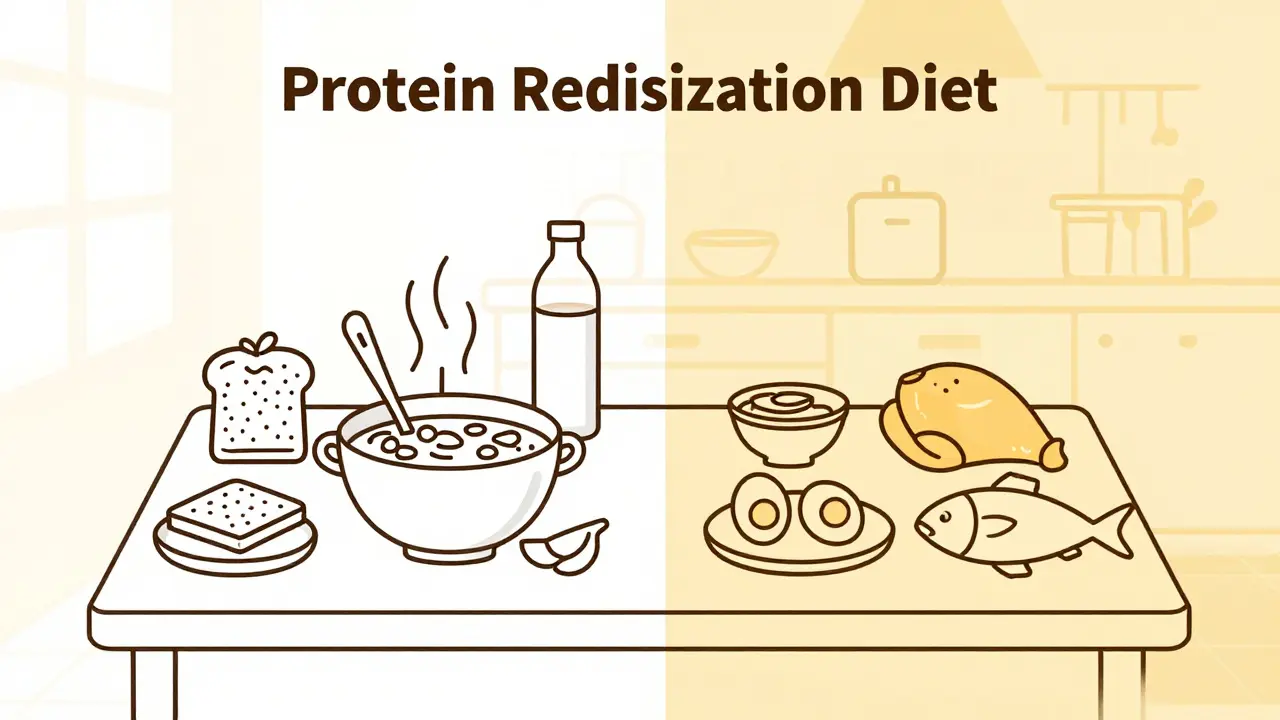
- Protein Redistribution Diet (PRD): This is often the most popular method. You keep your normal daily protein intake but shift 80-85% of it to your evening meal. During the day, when you are most active and need your medication to work best, you consume very little protein (less than 7 grams per meal). This allows levodopa to absorb efficiently during waking hours.
- Protein Redistribution with Low-Protein Products (LPP): This combines PRD with specialized low-protein foods (like breads or pastas made from starch rather than wheat) to make the daytime restriction easier to follow without feeling hungry.
Among these, the Protein Redistribution Diet (PRD) has shown the most consistent results. A meta-analysis by Wang et al. (2017) found responsiveness rates between 60.7% and 100% among patients experiencing motor fluctuations. One study by Barichella et al. showed that PRD reduced "off" time by approximately 107 minutes daily compared to a balanced protein diet. The effectiveness of PRD actually increases with the duration of the disease, making it particularly valuable for those in Hoehn & Yahr stages 3-4.
Timing Is Everything: Practical Meal Planning
If strict dietary changes feel overwhelming, start with timing. Dr. J. Eric Ahlskog recommends consuming protein-rich foods either one hour before or one hour after taking levodopa. Many users report a 72% success rate simply by taking their morning dose 45 minutes before breakfast.
However, timing alone isn’t always enough for advanced cases. Here is a practical breakdown of how to structure a day using the PRD approach:
| Meal Time | Protein Goal | Food Examples |
|---|---|---|
| Breakfast | < 7g | Fruit juice, toast with jam, cereal with milk-free alternative |
| Lunch | < 7g | Soup (vegetable broth), crackers, fruit salad, pasta with olive oil |
| Snack | < 5g | Gelatin, sugar-free candy, fresh berries |
| Dinner | Remaining Daily Total | Chicken breast, fish, eggs, beans, cheese, yogurt |
Notice that dinner is where you get your satisfaction. This strategy, often called a "protein holiday," works because most people are less active in the evening and rely less on immediate motor control. By saving the bulk of your protein for night, you ensure your daytime movements are smooth and predictable.
Challenges and Adherence: Why People Quit
Let’s be honest: changing how you eat is hard. Data shows that 68% of patients stop strict PRD within 12 months. The reasons are usually social isolation and dietary monotony. Eating differently from your family or friends can feel lonely. Additionally, 31% of patients on strict Low Protein Diets lose more than 5% of their body weight within six months due to unintentional calorie deficits.
To combat this, experts like Carley Rusch, Ph.D., RDN, LDN, emphasize customization. A one-size-fits-all approach fails because everyone’s tolerance is different. Some practical tips from long-term adherents include:
- Use Tracking Apps: Tools like MyFitnessPal help you count protein grams quickly, reducing the mental load of meal planning.
- Keep a Diary: Track your food and motor symptoms side-by-side. You might discover you can tolerate slightly more protein at lunch than expected.
- Involve Your Family: Cook low-protein sides that everyone can enjoy, then add the protein component for yourself only at dinner.
- Supplement Wisely: Monitor for deficiencies in Vitamin B12 and iron, which are common in long-term PRD users (deficient in 22% of cases).
Professional guidance makes a huge difference. The Parkinson’s Foundation reports that 78% of patients who receive dietitian supervision achieve better symptom control than those trying to self-manage. Look for a registered dietitian who understands neurological conditions.
Future Directions and Emerging Treatments
Science is moving beyond just dietary restrictions. Researchers are developing medications that bypass the LNAA transporter system entirely, potentially eliminating this competition. Additionally, a new concept called "protein pacing" is in Phase II trials (NCT04876321). This approach involves timed micro-dosing of protein throughout the day to maintain stable amino acid levels, rather than large spikes that block levodopa. Early results show efficacy in 68% of participants with much higher adherence rates than traditional PRD.
Until these treatments are widely available, managing your diet remains a powerful tool. It’s not about deprivation; it’s about optimization. By understanding how amino acids interact with your medication, you can turn your meals from obstacles into allies.
How much protein is too much when taking levodopa?
There is no single number for everyone, but studies suggest that meals containing more than 10 grams of protein can significantly interfere with levodopa absorption. Meals exceeding 20 grams of protein often cause substantial delays in medication effectiveness. For context, a standard chicken breast or two eggs contain roughly 20-25 grams of protein.
Can I drink milk with my levodopa?
Milk contains casein and whey proteins, which are LNAAs. Drinking a full glass of milk with your medication may reduce its efficacy. If you need calcium, consider fortified plant-based milks (which are lower in protein) or take calcium supplements at a different time of day, ideally during your high-protein evening meal.
Is the Protein Redistribution Diet safe for long-term use?
Yes, but it requires monitoring. While PRD is effective, long-term users (3+ years) have a 27% risk of developing mild protein-energy malnutrition. Regular check-ups with a doctor or dietitian are essential to ensure you are getting adequate calories, vitamins (especially B12 and iron), and overall nutrition.
Do I need to avoid protein completely?
No. Complete avoidance is dangerous and unnecessary. The goal is redistribution or moderation. Most patients benefit from shifting protein to dinner rather than eliminating it. Protein is vital for muscle strength, immune function, and overall health, especially in older adults with Parkinson’s.
How long does it take to see results from dietary changes?
Many patients notice improvements in "on" time within days of implementing a Protein Redistribution Diet. However, mastering meal planning and adjusting to the new routine can take 2-3 months. Consistency is key; sporadic adherence will yield inconsistent results.
Comments
14 Comments
Hassan Bukhari
You really need to read up on the pharmacokinetics before jumping on this bandwagon. The Protein Redistribution Diet is hardly a new discovery, yet people act like they’ve uncovered some secret. Most patients fail because they lack discipline, not because the science is flawed. If you can’t manage your plate, don’t blame the amino acids. It’s basic biology that anyone with a modicum of education should understand without needing a hand-holding guide.
Mark Hogan
i get what ur saying but its hard when u live with family who eat normal meals. my wife cooks for everyone and its tough to make separate low protein stuff during the day. she tries her best but sometimes i still feel off in the afternoon. maybe the apps mentioned would help me track better? i just want to move easier without feeling like im doing something wrong by eating different.
Hassan Bukhari
It is your responsibility to communicate your needs clearly. If your spouse cannot accommodate your dietary restrictions, perhaps you need to prepare your own daytime meals. Excuses do not improve motor control. Discipline is key, and if you are too lazy to cook toast and fruit while others eat steak, then you deserve the stiffness. Stop seeking sympathy and start taking action.
Alexandre Desbiens
The mechanism described here regarding the Large Neutral Amino Acid transporter system is well-documented in neurology literature. It is crucial to note that the interference is not merely theoretical but clinically significant, particularly for patients in later stages of Parkinson’s disease. The suggestion to utilize tracking applications is prudent, as precise quantification of protein intake is often more effective than estimation. Furthermore, the mention of potential deficiencies in Vitamin B12 and iron is a critical point that many overlook when adopting restrictive diets. Regular monitoring by a healthcare professional is essential to mitigate these risks.
Francis Saul
this is great info. i tell my friends that small steps matter. dont try to change everything at once. just try moving protein to dinner first. see how you feel. if it helps, keep doing it. no need to stress about perfect numbers right away. just be kind to yourself and your body will thank you.
Jerry Mathews
I completely agree with the approach of starting small. Many people feel overwhelmed by the idea of completely changing their diet overnight. Shifting protein to evening meals is a manageable step that can yield noticeable improvements without causing undue stress. It is also important to remember that social connections are vital for mental health, so finding ways to enjoy meals with family while managing protein intake is a worthwhile goal. Support from loved ones can make a significant difference in adherence.
Lenny Cruz
Let us not pretend this is a cure-all. The data shows high dropout rates for a reason. People hate being told what to eat. It is elitist to suggest that those who cannot afford specialized low-protein foods or who simply prefer a balanced diet are failing themselves. Moreover, the focus on protein ignores other factors like hydration, sleep, and stress that impact medication efficacy. This narrative oversimplifies a complex condition.
Aswin Narayan J
In India, our traditional diets are already rich in lentils and vegetables which are lower in animal protein compared to Western diets. However, even plant proteins contain amino acids that compete with levodopa. We must be careful not to assume that vegetarian means safe for all Parkinson’s patients. The quantity matters just as much as the source. Ignoring this nuance leads to poor outcomes.
Jennifer Legore
This is such an empowering piece of information! :) Knowing that we have control over our symptoms through diet is wonderful. I encourage everyone to reach out to a dietitian who specializes in neurological conditions. They can provide personalized plans that fit your lifestyle and preferences. Remember, you are not alone in this journey, and there are many resources available to support you. Let us work together to optimize our health!
Alyssa Zucker
I have struggled with the social aspect of this diet. Eating differently from friends can feel isolating. I found that bringing my own snacks to gatherings helped. It allowed me to participate without worrying about the food options available. Sharing my experience with close friends also helped them understand my needs better. Connection is important, and finding a balance is possible.
Dave Villeneue
Your reliance on anecdotal evidence is concerning. The statistical significance of the Wang et al. meta-analysis must be scrutinized. Heterogeneity among studies often inflates effect sizes. Furthermore, the long-term sustainability of PRD is questionable given the high attrition rates. You present correlation as causation without adequately addressing confounding variables. This is sloppy analysis.
Rachel Harrypersad
why do we fight nature so much. the body knows what it needs. forcing these changes creates more stress. stress blocks meds too. maybe the real issue is not the protein but the anxiety about eating. sit down breathe eat what you love. let go of control. it is an illusion anyway.
Brian Irwin
i hear you on the stress part. it is true that worry can make symptoms feel worse. but for some of us the physical stiffness is real and limiting. trying the diet did help me feel more in control. it is not about fighting nature but working with how our bodies process meds now. small adjustments can make a big difference in quality of life.
Rosy Centire
As a registered dietitian, I can confirm that the Protein Redistribution Diet is a valid clinical intervention for managing motor fluctuations in Parkinson’s disease. However, it must be implemented under supervision to prevent malnutrition. Patients often underestimate the protein content in processed foods and dairy products. Education on reading labels and understanding hidden sources of protein is essential for success. Do not attempt this without professional guidance.
Write a comment